
Key takeaways
- RunRepeat describes the fit as true to size but tighter than expected, and measures a toe box width of 69.6 mm, which it calls on the narrow side.
- Some other reviewers describe a roomy toe box and suggest checking half-size options.
- Breathability is rated middling by RunRepeat (3 out of 5), and several reviewers note limited airflow in warm weather.
The Nike Vomero is a max-cushion daily trainer built for easy miles, recovery runs and long steady efforts, and the current Vomero 18 suits runners who want a soft, protective ride more than a light or fast one. Nike pairs ZoomX foam with a ReactX carrier in the Vomero 18, and reviewers consistently describe a plush step-in feel with a weight penalty that is noticeable on paper but less so on the road.
Our top picks
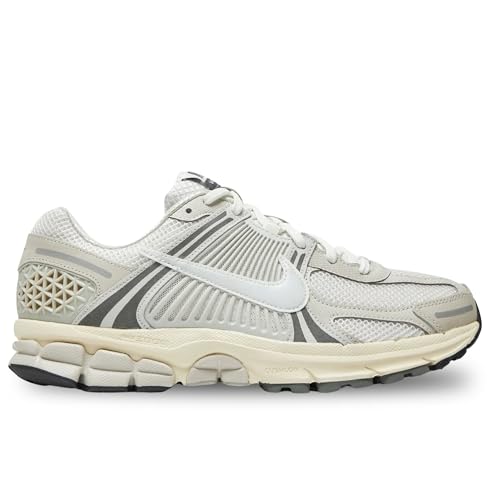


As an Amazon Associate we earn from qualifying purchases at no extra cost to you.
Vomero at a Glance
Nike’s running lineup now lists three Vomero tiers: the Vomero 18, the Vomero Plus and the Vomero Premium. Older numbered models, such as the Vomero 17, are previous generations. The table below sticks to figures Nike lists or that named reviewers report, and it flags where sources disagree.
| Model | Best for | Key stated specs | Limits reviewers mention |
|---|---|---|---|
| Vomero 18 | Easy days, recovery, long steady runs, daily comfort | ZoomX layer over ReactX; Nike lists a 46 mm heel and 36 mm forefoot stack, 10 mm drop, about 325 g (11.5 oz) in men’s US 10; engineered mesh upper; regular and wide fits | Heavy; limited pop at faster paces; mixed reports on toe box room |
| Vomero Plus | Runners who want the Vomero idea with a bouncier, lighter feel | Nike describes full-length ZoomX; listed around 292 g (10.3 oz) in men’s US 10; 10 mm drop; wide version offered | Higher tier than the 18; less established review base |
| Vomero Premium | Maximum cushioning seekers | Described by lineup guides as having about 50 mm of heel foam and multiple Air Zoom units | Weakest sourcing in this guide; check Nike’s page for exact specs |
What the Vomero Is
The Vomero name started on Nike’s cushioned road trainers many years ago, and the line has swung between a firmer, more traditional daily shoe and a plush one. The Vomero 18 sits firmly in the plush camp. Nike states that its midsole is 18 percent softer than the Vomero 17 and that the ReactX component is 13 percent more responsive than earlier React. These are Nike’s own comparison claims, so treat them as directional rather than independent measurements.
The design logic is simple: a layer of ZoomX, the lively Pebax-based foam Nike also uses in its racing shoes, sits on top of a ReactX base that supplies structure and durability. Nike also describes pods around the outsole that are meant to ease the heel-to-toe transition. Reviewers at Doctors of Running and WearTesters describe the result as a soft, well-padded ride that is most comfortable when the pace stays relaxed.
Cushioning, Weight and Ride
Foam and stack
Nike lists a 46 mm heel and 36 mm forefoot. RunRepeat’s lab measurement came in lower, at a 42.5 mm heel and 28.6 mm forefoot, and some outlets repeat 44/34 mm. Stack numbers vary between brand listings and lab measurements because of how and where each is measured, so the exact figure matters less than the general idea: this is a tall, soft shoe by daily-trainer standards.
Drop
Nike lists a 10 mm drop. RunRepeat’s lab measured 13.9 mm, and describes the heel-biased geometry as suited to rearfoot strikers. Runners who prefer a lower drop, or who are sensitive to changes in drop, may want to ease into the shoe with shorter runs first.
Weight
Weight is the most common criticism. Nike lists about 325 g (11.5 oz) for a men’s US 10. Measured weights reported by reviewers sit slightly lower, for example 298 g (10.5 oz) at RunRepeat and 286 g (10.1 oz) in a men’s US 8.5 at Road Trail Run, which is a smaller size. Reviewers note the Vomero 18 is roughly 19 percent heavier than the Vomero 17. Several say the ZoomX bounce makes it feel lighter than its weight on foot, while Running Shoes Guru argues the weight keeps it from being a fun shoe to pick up the pace in.
Feel at different paces
Reviewers tend to agree that the Vomero 18 is a one-gear shoe: relaxed, cushioned, and best below tempo effort. Doctors of Running calls it best for easy, recovery and long runs. If you want one shoe that also handles intervals, expect compromises.
Upper, Fit and Sizing
Nike lists an engineered mesh upper with padded tongue and lining, available in regular and wide fits. Sizing guidance from reviewers is not unanimous, which is useful to know before ordering:
- RunRepeat describes the fit as true to size but tighter than expected, and measures a toe box width of 69.6 mm, which it calls on the narrow side.
- Some other reviewers describe a roomy toe box and suggest checking half-size options.
- Breathability is rated middling by RunRepeat (3 out of 5), and several reviewers note limited airflow in warm weather.
Because the reports conflict, the practical approach is to use Nike’s own size chart, try the shoe late in the day when feet are slightly swollen, leave about a thumb’s width at the toe, and choose the wide version if the regular feels tight across the forefoot. Thicker running socks are also a good idea during fitting.
Durability and Care
RunRepeat’s durability checks gave the heel padding a top score and the toe box a middling one, and it recorded acceptable outsole wear. It also rated outsole grip as below average, which matters on wet pavement. Soft foam shoes in general tend to compress with mileage, and reviewers typically look for the midsole to lose its fresh feel before the outsole is worn through. Many running-shoe guides place the useful life of a daily trainer in the several-hundred-mile range, but that is a rule of thumb, not a Nike-stated figure.
Basic care keeps the shoe comfortable longer:
- Remove insoles and loosen laces to air the shoes after runs; do not leave them in a hot car.
- Clean uppers with a soft brush, mild soap and lukewarm water. Test a hidden spot first, and never mix cleaning products or use bleach or solvents.
- Avoid machine washing and heat drying, which can weaken glue and foam. Air dry away from direct heat, in a ventilated room.
- Rotate with a second pair of shoes if you run most days.
Vomero vs Alternatives
| Shoe | Character | Pick it over the Vomero 18 if | Stay with the Vomero if |
|---|---|---|---|
| Nike Pegasus 42 | ReactX with Air Zoom, a versatile daily trainer | You want a lighter, more flexible shoe that handles varied paces | You prefer a softer, higher-stack ride for easy miles |
| Nike Invincible 3 (previous generation) | Full-length ZoomX max-cushion shoe, heavy, no longer in the current lineup | You find a discounted pair and the heel fit works for you | You want a currently supported model with a regular and wide option |
| Hoka Clifton | Soft, rockered daily trainer from a rival brand | You want a lighter-feeling rocker and have found Nike’s fit too snug | You like the bounce of ZoomX |
| Asics Superblast | Max-cushion bouncy trainer from a rival brand | You want a similar stack with more spring | You want a traditional padded step-in feel |
Against the Pegasus, the usual reviewer summary is that the Pegasus is the do-everything shoe and the Vomero is the cushion specialist. Against the Invincible, Nike indicates that the Vomero Plus applies learnings from the Invincible 3, and lineup guides describe the Invincible 3 as replaced by the Vomero Plus. Reviewers of the Invincible 3 flagged heel lockdown as its biggest fit risk, which is one reason some runners moved to the Vomero.
Which Vomero to Choose
| Pick this if… | Choose |
|---|---|
| You want a plush, protective shoe for easy and long runs and are comfortable with some weight | Vomero 18 |
| You have a wider forefoot or need extra volume | Vomero 18 wide, if Nike lists it in your size |
| You want ZoomX throughout and a livelier feel | Vomero Plus |
| You want the tallest, softest option in the family and accept the added bulk | Vomero Premium |
| You want one shoe for everything including faster sessions | Consider the Pegasus 42 instead |
Who Should Skip It
Runners who value a light, nimble feel, who prefer a low heel-to-toe drop, or who regularly run on wet surfaces where grip matters may be happier elsewhere. Forefoot strikers may also find the heel-weighted geometry less natural. Those with a narrow-to-medium foot who want a snug, race-day feel will likely find the Vomero too bulky.
If you have persistent foot, knee or shin pain, evidence that any specific shoe prevents or treats injury is limited, so a podiatrist or physiotherapist is the right person to consult rather than relying on cushioning alone.
Frequently Asked Questions
Is the Nike Vomero 18 good for beginners?
Many reviewers and lineup guides point to the Vomero 18 as a comfortable, forgiving option for new runners who mostly run at an easy pace. The soft midsole and padded upper make the first miles pleasant. The extra weight is the main trade-off, and a beginner who wants one shoe for races and workouts as well may prefer the Pegasus.
Does the Vomero run true to size?
Reviewer reports differ. RunRepeat calls it true to size but snug, while other reviewers suggest it can feel slightly small or, in other cases, roomy in the toe box. Check Nike’s size chart, try regular and wide widths if available, and keep about a thumb’s width in front of the longest toe.
What is the difference between the Vomero 18 and the Vomero Plus?
Nike describes the Vomero Plus as using full-length ZoomX, whereas the Vomero 18 places ZoomX over a ReactX carrier. The Plus is listed at roughly 292 g in men’s US 10, compared with about 325 g for the 18, and sits in a higher tier. Reviewers generally frame the Plus as the livelier, lighter-feeling option.
Is the Vomero suitable for marathon training?
Reviewers commonly recommend it for long, easy runs because of the soft landing and stable ride. It is less suited to marathon-pace work, where its weight and modest pop are limiting. Many marathon plans pair a cushioned trainer like this with a lighter shoe for faster sessions.
How should I clean the Vomero?
Use a soft brush with mild soap and lukewarm water on the upper, after testing a hidden spot first. Avoid bleach, solvents and the washing machine, work in a ventilated space, and let the shoes air dry away from direct heat.
Is the Vomero a stability shoe?
No. Nike positions it as a neutral cushioned trainer. Runners who prefer extra support often look at the Structure line instead, and anyone unsure should ask a podiatrist or running-shoe specialist, since the evidence linking shoe type to injury outcomes is limited.







