Key takeaways
- Standard to narrow feet: true to size is the usual starting point.
- Wide feet: try before buying or consider a half size up, though a longer shoe can cause heel slip.
- Break-in: Cleats Hub says to expect stiffness around the collar for the first couple of sessions.
- Socks: wear the socks you play in when fitting, because the upper has little stretch.
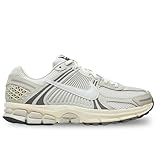
The Nike Vapor Edge Pro 360 is a lightweight, molded football cleat built for speed positions such as wide receiver, defensive back and running back, and it is best on firm natural grass or turf where quick cuts matter more than ankle bulk. Reviewers praise its traction and close fit, and criticise its narrow shape and limited ankle support. This guide covers the generations, what Nike and reviewers say about materials and studs, fit and sizing, youth versus adult considerations, care, and how it compares with other cleats.
Our top picks


As an Amazon Associate we earn from qualifying purchases at no extra cost to you.
Vapor Edge Pro 360 at a Glance
| Item | Details reported |
|---|---|
| Intended players | Wide receivers, defensive backs, speed-oriented running backs (Cleats Report) |
| Generations | Original Pro 360, then the Pro 360 2 (Cleats Hub calls it the second generation) |
| Weight | Cleats Hub lists about 284 g (roughly 10 oz) per shoe for the Pro 360 2 |
| Upper | Lightweight molded synthetic with NikeSkin-style overlays and an elastic collar |
| Chassis | Internal frame in place of a traditional plate |
| Studs | Molded outsole with a wide stud layout and external pods |
| Best surfaces | Firm natural grass; check the stud type for artificial turf |
| Limits | Narrow fit, low ankle cuff, not waterproof, modest insole |
Nike’s catalog changes by season, and the model name may sit beside Elite, Pro and Speed variants. Confirm the exact version and cut on a retailer or Nike page before buying.
What the Cleat Is
The Vapor Edge line is Nike’s speed-focused football family, in contrast with the Alpha Menace line aimed at linemen and power players. The Pro 360 tier sits below the Elite tier and uses a booty-style, low-cut upper meant to feel like a sock. Reviewers on Cleats Hub and Laxplaybook describe a design that locks the heel and midfoot while keeping weight down.
Instead of a stiff plate, the Pro 360 2 uses an internal frame that provides structure for pushing off. The studs are molded as part of the outsole, so there are no replaceable studs. Reviewers describe the layout as wide with external pods for digging into firm turf during sharp cuts.
Versions and How They Differ
Cleats Hub identifies the Pro 360 2 as the successor to the original Pro 360, which launched around 2020 to 2021, but does not detail technical changes between them. Reviewers generally agree on the common DNA: a low cut, close fit and speed-oriented traction. If you find an older pair, treat the details above as indicative only and compare weight and last shape rather than assuming they match.
There are also related cuts. Cleats Hub lists the Alpha Menace Pro 2 Mid as an option for players who want midcut ankle support, which is not the Vapor Edge’s strength.
Fit and Sizing
Nearly every reviewer mentions the narrow feel. Cleats Hub says the cleat runs true to size but hugs the foot closely, and warns that wide-footed players may feel pressure. Dick’s Sporting Goods customers also report blisters in some cases, while others say the cleat solved their blister problems from other pairs, so fit is clearly personal.
- Standard to narrow feet: true to size is the usual starting point.
- Wide feet: try before buying or consider a half size up, though a longer shoe can cause heel slip.
- Break-in: Cleats Hub says to expect stiffness around the collar for the first couple of sessions.
- Socks: wear the socks you play in when fitting, because the upper has little stretch.
Youth Versus Adult
Nike offers the Vapor Edge Pro 360 line in adult and youth (“Jr”) sizing. Youth models use the same general design but scaled sizes and sometimes simplified materials. Parents should check the age and league rules, since some youth leagues restrict stud type or require specific cleat types. Growing feet are a practical concern: leave about a thumb’s width in front of the toes, but avoid going so large that the heel slips, which is a common cause of blisters.
Surfaces and Cleat Types
| Surface | Suitability |
|---|---|
| Firm natural grass | Strong match; reviewers praise the traction |
| Soft or wet grass | Molded studs cannot be swapped for longer ones, so traction may be limited |
| Artificial turf | Molded cleats often work, but check the stud pattern and league rules |
| Indoor courts | Not designed for this |
Detachable-stud cleats let players change lengths for wet fields, while molded designs such as this one stay fixed. If your field is regularly soggy, that is a real limit to weigh.
Durability and Care
Reviewers describe the cleat as durable for a season of regular play, with wear showing in high-stress areas. To extend its life, knock off dirt after use, wipe the upper with a damp cloth, remove the insoles to air dry and keep the cleats out of direct heat and hot cars. Do not use bleach or solvents, work in a ventilated area, and test any cleaner on a hidden spot first. Avoid the dryer, which can warp molded plastics.
Who Should Choose It
| Pick the Vapor Edge Pro 360 if you… | Skip it if you… |
|---|---|
| Play WR, DB or speed RB | Are a lineman or need a sturdy plate and protective upper |
| Have narrow to medium feet | Have wide feet and cannot find a comfortable size |
| Want a light, low-cut feel | Need strong ankle support |
| Play on firm grass or compatible turf | Play on wet fields and need replaceable studs |
Comparison With Alternatives
Nike Alpha Menace Varsity 3 and Pro 2 Mid
Cleats Hub lists these as nearby options. The Alpha Menace line leans toward power and linemen use, and the Pro 2 Mid is recommended for players who want midcut ankle support. They are generally heavier and more protective than the Vapor Edge.
Under Armour Highlight MC
Cleats Hub lists the Highlight MC as a strong rival with a higher score. It is another speed-oriented option, so wide receivers and defensive backs may compare fit and lockdown directly.
Adidas Adizero-style speed cleats
Adidas offers lightweight speed cleats aimed at the same positions. Fit and lacing designs differ, so trying on several brands is sensible.
Position-by-Position Notes
Wide receivers
Receivers make repeated sharp breaks and plant-and-go cuts, so the wide stud layout and snug heel are the features reviewers highlight most. The low cut keeps weight down for long routes, but the thin padding means catching a stray step on a teammate’s foot can be felt more.
Defensive backs
Defensive backs backpedal and transition constantly. Reviewers say the close fit helps with that, while the narrow shape is the main complaint when a defender has broader feet. A midcut option may suit players who roll their ankles often, and a physiotherapist can advise on ankle protection.
Running backs
Speed backs benefit from the light build, but power backs who absorb contact may prefer a more protective upper. Cleats Report places speed-focused backs in this model’s lane and heavier players elsewhere.
Quarterbacks and kickers
These positions are less speed-dependent, and many choose on comfort and fit. The Pro 360’s low profile can work for quarterbacks who scramble, but there is no strong reviewer consensus beyond fit preference.
Comfort, Insoles and Breaking Them In
Reviewers describe the stock insole as adequate for game-length sessions but not plush, so players who practice on hard ground often swap in their own insole if the cleat allows it. Because the upper is a molded synthetic with little give, break-in works mostly by softening the collar rather than stretching the toe box. Wear the cleats for light drills first, then a full practice, before using them in a game. Rinsing off mud and drying them at room temperature between sessions keeps the lining from staying damp, which helps limit friction and odor.
Buying Checklist
- Confirm the exact generation, since the original Pro 360 and the Pro 360 2 are different releases.
- Check that the stud type matches your field and league rules.
- Try the cleats on with game socks and tape or braces you normally wear.
- For growing players, plan to re-check size each season.
Frequently Asked Questions
Is the Nike Vapor Edge Pro 360 good for linemen?
Reviewers generally say no. Cleats Report suggests linemen and heavier players prefer a sturdier plate and more protective upper than this speed-focused design offers.
Do the Vapor Edge Pro 360 cleats run small?
They run true to size but feel narrow. Players with wide feet may feel pressure and should try a pair or consider a half size up.
Can I wear them on turf?
Many players do, but the studs are molded and fixed. Check your league’s rules and the cleat’s stud pattern first.
Do they have ankle support?
The cut is low, so ankle support is limited. Players wanting more should look at midcut options such as the Alpha Menace Pro 2 Mid, and see a physiotherapist if they have a history of ankle problems.
What is different in the Pro 360 2?
It is the second generation of the Pro 360 line. Cleats Hub lists an internal frame and a 284 g weight, though it does not detail exact changes from the first version.
How do I avoid blisters?
Choose a size without heel slip, wear your game socks, and break the cleats in over a few practices. Some Dick’s buyers report blisters and others do not, so fit is individual.