Key takeaways
- The InfinityRN 4 has a Flyknit upper with a stretchy feel. Advnture describes the stretch upper as an acquired taste.
- Reviewers generally describe a comfortable, accommodating upper, with Running Shoes Guru highlighting an arch-friendly fit.
- A wide base and rocker mean the shoe can feel wide underfoot even if the toe box is not roomy.
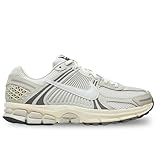
The Nike Infinity Run, sold in recent years as the InfinityRN 4, is a cushioned daily trainer with a stable, rockered ride that suits runners who want a forgiving shoe for easy and recovery miles and who value a wide, steady base more than low weight. Nike’s current road-running listings no longer show an Infinity Run, so this guide treats the InfinityRN 4 as the last version confirmed by multiple independent reviewers, and it treats the InfinityRN 5 as unconfirmed.
Our top picks


As an Amazon Associate we earn from qualifying purchases at no extra cost to you.
Infinity Run at a Glance
| Version | Status | Key reported specs | Reviewer notes |
|---|---|---|---|
| React Infinity Run Flyknit 1 to 3 | Previous generations | React foam, Flyknit upper, rocker design | Introduced the wide-base, rockered, stability-leaning approach |
| InfinityRN 4 | Last widely reviewed version | ReactX foam; 39 mm heel and 30 mm forefoot; 9 mm drop; about 11.1 oz (314 g) in men’s size 9 per Doctors of Running | Heavier than version 3; comfortable upper; foam not very bouncy |
| InfinityRN 4 Gore-Tex | Weather variant | Listed at 8 mm drop and 344 g in UK 6.5 by Women’s Running | Waterproof option |
| InfinityRN 5 | Not confirmed on Nike’s current road pages | One review site describes updated ReactX and a wider base | Treat as unverified until Nike lists it |
What the Infinity Run Is
The Infinity line launched as a cushioned shoe built around a wide base and a rocker shape that is meant to encourage a smooth heel-to-toe roll. Nike marketed it as a way to reduce running-related injury in its early years. Modesty is called for here: independent evidence that any specific shoe reduces injury risk is limited, and research on rocker and stability designs gives mixed results. Treat the injury language as marketing and rely on comfort. If you have recurring pain, a podiatrist or physiotherapist can assess your situation far better than a shoe label.
In practice, reviewers describe the InfinityRN 4 as a stable, well-cushioned daily trainer for easy and recovery miles. Running Shoes Guru calls it the best version so far in the series because of its comfortable upper and arch-friendly fit. Tom’s Guide puts it firmly in the easy-run category.
Cushioning, Weight and Ride
ReactX foam
The InfinityRN 4 uses Nike’s React-family foam, which reviewers describe as protective and durable but not very bouncy. That is a different character from the ZoomX foam found in the Vomero Plus or the Invincible line, and it matters if you hope for spring.
Stack and drop
Reviewers list a 39 mm heel, 30 mm forefoot and 9 mm drop. Doctors of Running says the 9 mm drop was really noticeable, while Trail and Kale found it feels lower than listed and would still prefer about 5 mm. This disagreement is a reminder that perceived drop depends on foam compression and personal gait.
Weight
Doctors of Running lists about 11.1 oz (314 g) in men’s size 9 and 9.4 oz (266 g) in women’s size 8. Other reviewers report 11.2 to 11.4 oz. Running Shoes Guru says that is an ounce more than the previous version, and Tom’s Guide describes the shoe as heavier than ever. Doctors of Running suggests the thick outsole and taller stack account for the added weight. WearTesters notes that a taller, heavier tester barely registered it, so perception differs.
Upper, Fit and Sizing
- The InfinityRN 4 has a Flyknit upper with a stretchy feel. Advnture describes the stretch upper as an acquired taste.
- Reviewers generally describe a comfortable, accommodating upper, with Running Shoes Guru highlighting an arch-friendly fit.
- A wide base and rocker mean the shoe can feel wide underfoot even if the toe box is not roomy.
Use Nike’s size chart for your usual size and try the shoe in the afternoon with your running socks. Allow about a thumb’s width in front of the longest toe, and check whether Nike or a retailer lists wide sizes for your pair. Stretch knit uppers often feel snug when new and ease with wear.
Durability and Care
WearTesters notes there is no shortage of rubber on the outsole, and Doctors of Running attributes some of the weight to a thick, durable outsole. That points to good outsole life, although foam compression usually determines how long a daily trainer feels good, often a few hundred miles in general running guidance. A review of the unconfirmed InfinityRN 5 reported less rubber coverage than version 4, but it comes from a single site and cannot be treated as established.
- Brush off dry dirt, then use a soft cloth with mild soap and lukewarm water on the knit. Test a hidden spot first.
- Avoid bleach, never mix cleaners and work in a ventilated space.
- Skip the washing machine and dryer. Stuff with paper and air dry away from heat.
Infinity Run vs Alternatives
| Shoe | How it compares | Pick it over the Infinity Run if |
|---|---|---|
| Nike Pegasus 42 | Versatile ReactX shoe with Air Zoom | You want a lighter, firmer shoe that handles several paces |
| Nike Structure 26 | ReactX stability trainer; Nike lineup guides map the Infinity Run 4 to this or the Vomero 18 | You want clearer side guidance |
| Nike Vomero 18 | ZoomX over ReactX; softer and taller | You want bounce and a cushioned feel |
| Hoka Bondi or Clifton | Rival rockered cushioned trainers | You want a different rocker feel |
One lineup guide says the older Infinity Run 4 maps to the Vomero 18 or the Structure 26 depending on whether you want cushion or support. Against the Pegasus, one review site found the InfinityRN 5 softer and better for easy miles, while the Pegasus is firmer and more versatile. That echoes how reviewers treat the Infinity 4.
Pick the Right Option
| Pick this if… | Choose |
|---|---|
| You like the Infinity ride and can find your size | InfinityRN 4 (previous generation) |
| You want the same cushioned, rockered idea but with current Nike support | Vomero 18 |
| You want guided support | Structure 26 or Structure Plus |
| You want one shoe for varied paces | Pegasus 42 |
| You run in wet weather often | Gore-Tex variant of the Infinity Run 4, where available |
Who Should Skip It
Runners who prefer light, springy shoes, who want a lower drop, or who need a precise, race-ready fit should look elsewhere. Anyone expecting the shoe to solve pain should consult a podiatrist or physiotherapist first, since the evidence for injury-reduction claims is limited.
Choosing Sizes and Widths Sensibly
Nike’s size guidance generally starts from your usual running size, matched by foot length against the brand’s chart. Because the Infinity Run line has a broad base, some runners find the length fine but the volume feels different from narrower Nike shoes such as the Pegasus. If you are between sizes, consider the sock you plan to wear, the length of your longest runs and whether your feet swell late in a run. Heat and distance both increase foot volume, so a shoe that feels exact in a cool store may feel tight at mile ten.
Lacing can change the fit without changing size. A runner’s loop or heel-lock lacing pattern can reduce heel slip, while skipping an eyelet near the top of the forefoot can relieve pressure on a high instep. These are common running-store tricks, not Nike claims, and they cost nothing to try before deciding a shoe is wrong for you.
Using the Infinity Run in a Training Week
Reviewers consistently place the InfinityRN 4 at the easy end of a training week. A typical use pattern is recovery runs and long steady runs, with a lighter shoe kept for workouts. Rotating two pairs of different shoes is a common suggestion in running guides because it varies loading slightly and gives foam time to recover between runs, although evidence for an injury benefit is limited. If you only own one pair, keep mileage increases small and pay attention to how your calves and feet feel during the first few weeks.
Frequently Asked Questions
Is the Nike Infinity Run still made?
Nike’s current road-running listings show the Pegasus, Vomero, Structure and racing lines but not an Infinity Run. The InfinityRN 4 is the last version with broad independent coverage, and the InfinityRN 5 has only limited reviews and no Nike page found.
Is the Infinity Run a stability shoe?
Reviewers describe it as stable because of its wide base and rocker, but it does not use a traditional stability post. Nike’s Structure line is the more direct stability choice, and the evidence behind stability categories is limited.
Does the Infinity Run reduce injuries?
Nike has used injury-related language for the line, but independent evidence that a particular shoe lowers injury risk is limited. Comfort and gradual mileage increases are more practical guides, and persistent pain deserves professional assessment.
Is the Infinity Run heavy?
Yes, by most reviews. Reported weights sit around 11.1 to 11.4 oz in men’s size 9, and reviewers note it is heavier than the previous version.
How does the Infinity Run compare with the Pegasus?
The Infinity Run is softer, wider underfoot and aimed at easy miles. The Pegasus is firmer, lighter and more versatile across paces.
How should I wash the Infinity Run?
Use a soft brush or cloth with mild soap and lukewarm water, after testing a hidden spot. Avoid bleach, solvents and machine washing, ventilate the room and air dry away from heat.