Key takeaways
- RunRepeat reports the Vaporfly 4 as true to size, with a toe box measuring 73.2 mm, generous for a racing shoe.
- The Alphafly 3 is reported as fitting slightly small, with a very broad toe box of 75.3 mm.
- Both have thin uppers that rely on lockdown through lacing; the Alphafly uses a gusseted, sock-like tongue that some reviewers like and others find divisive.
- Try racing shoes with the socks you plan to race in, and check Nike’s size chart. A half size up is sometimes suggested for the Alphafly 3 by reviewers, but this is individual.
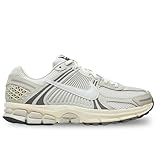
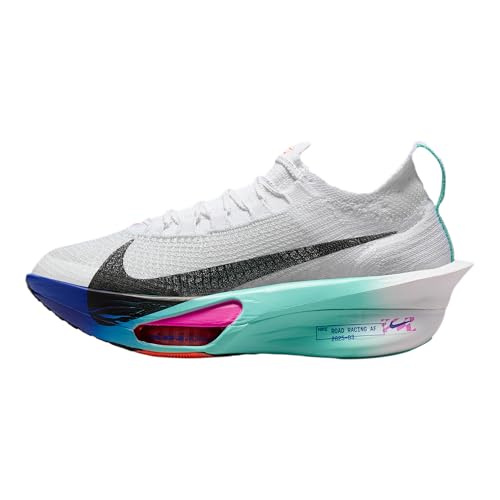
The Nike Vaporfly 4 is the lighter, lower and more versatile racing shoe, best suited to 5K through half-marathon racing and to lighter runners at the marathon, while the Alphafly is the taller, more cushioned and more mechanical marathon shoe with Air Zoom pods in the forefoot. Nike’s road-racing lineup currently lists the Vaporfly 4 alongside the Alphafly 3 and the newly released Alphafly 4, so the choice now spans three shoes.
Our top picks


As an Amazon Associate we earn from qualifying purchases at no extra cost to you.
Vaporfly and Alphafly at a Glance
| Spec | Vaporfly 4 | Alphafly 3 | Alphafly 4 |
|---|---|---|---|
| Best for | 5K to half marathon; light marathoners | Marathon; heavier runners wanting more cushion | Marathon |
| Reported weight (men’s) | About 5.9 oz (roughly 167 g) in Nike-based listings; independent lab weights run from about 148 g to 166 g depending on size | About 7.6 oz per listings; RunRepeat measured 7.1 oz (201 g) | Nike lists 208 g in men’s US 10 (about 7.3 oz); Nike says about 5 percent lighter than the Alphafly 3 |
| Stack (heel/forefoot) | 35 / 29 mm listed; one independent measurement found 34.1 / 25.5 mm | 39.5 / 31.5 mm listed; RunRepeat measured 38.1 / 29.6 mm | 39 / 31 mm listed; RTINGS measured about 39.8 mm at the heel |
| Drop | 6 mm listed | 8 mm listed | 8 mm listed |
| Plate and foam | Carbon Flyplate with ZoomX | Carbon Flyplate, ZoomX and Air Zoom pods | Carbon Flyplate, ZoomX LT, dual forefoot Air Zoom units |
| Upper | Bonded mesh with robust yarns, per RunRepeat | Atomknit 3.0 | Atomknit with zoned midfoot cables |
Figures differ between brand listings, lab measurements and lineup guides, so the table shows ranges and attributions instead of a single “official” number.
What Makes Each Shoe Different
Carbon plate and ZoomX foam
Both shoes combine a carbon-fiber plate with ZoomX, the Pebax-based foam Nike uses across its performance line. The plate is a stiff, curved element meant to aid the toe-off and stabilize soft foam. RunRepeat reports that the Vaporfly 4 uses a Flyplate with an enhanced curve for a snappier toe-off, and that its ZoomX recorded about 78 percent energy return in the lab. For the Alphafly 3, RunRepeat reports about 74 to 75 percent in a dual-density setup.
Air Zoom pods
The Alphafly’s defining feature is a set of pressurized Air Zoom units in the forefoot. RunRepeat describes the pods as repositioned further back in the Alphafly 3 and delivering a distinctly mechanical sensation that some runners find noisy but effective. The Vaporfly has no pods, which is part of why it is lighter and lower to the ground.
Alphafly 4 changes
Nike introduced the Alphafly 4 in a limited release on 17 September 2026, with wider availability set for 29 October, according to reports. Nike states it uses ZoomX LT, described as 17 percent lighter than standard ZoomX with 8 percent higher energy return, and says the shoe overall is 5 percent lighter than its predecessor and gives 10 percent more energy return. Those are Nike claims, and independent lab data may not yet be available.
Race Rules and Stack Height
World Athletics limits road racing shoes to a maximum sole thickness of 40 mm and one rigid plate, which is why both shoes are built to sit just under that line. RunRepeat notes the Alphafly 3’s measured heel of 38.1 mm is race-legal. Runners entering sanctioned events should check the current World Athletics shoe regulations and event rules, since approved-shoe lists are updated over time and some events have their own rules.
Who Should Race in Which
| Pick this if… | Choose |
|---|---|
| You race 5K to half marathon and want a lighter, lower shoe | Vaporfly 4 |
| You are a lighter runner aiming at the marathon | Vaporfly 4; RunRepeat suggests under about 65 kg for men and 55 kg for women for marathon use |
| You are heavier or want more cushion for 26.2 miles | Alphafly 3 or 4 |
| You like a sock-like, ventilated upper and a pronounced forward feel | Alphafly |
| You want your first super shoe for a shorter race | Vaporfly 4 |
Fit and Sizing
- RunRepeat reports the Vaporfly 4 as true to size, with a toe box measuring 73.2 mm, generous for a racing shoe.
- The Alphafly 3 is reported as fitting slightly small, with a very broad toe box of 75.3 mm.
- Both have thin uppers that rely on lockdown through lacing; the Alphafly uses a gusseted, sock-like tongue that some reviewers like and others find divisive.
- Try racing shoes with the socks you plan to race in, and check Nike’s size chart. A half size up is sometimes suggested for the Alphafly 3 by reviewers, but this is individual.
Durability, Training Use and Care
Racing shoes are built for lightness, not longevity. RunRepeat flagged the Alphafly 3’s toe box and outsole as durability concerns, especially for heel strikers, and the Vaporfly 4’s soft outsole rubber as its weak point despite an improved toe box. Reviewers commonly advise keeping these shoes for race day and key workouts, because the foam and plate are designed to deliver their best performance when fresh. Running guides often suggest a few hundred miles as an upper range, with the feel fading before the uppers fail.
- Do not machine wash. Wipe the upper with a soft cloth and mild soap, test a hidden spot, avoid bleach and solvents, and air dry in a ventilated room.
- Do not leave shoes in a hot car, which can affect foam and glue.
- Use a trainer, such as the Pegasus 42 or Vomero 18, for daily mileage and keep the super shoes for race and session work.
Compared with Other Options
| Shoe | Role | Consider it if |
|---|---|---|
| Nike Zoom Fly 6 | Carbon-plated trainer in Nike’s road lineup | You want plate-assisted tempo runs with more durability than a racer |
| Nike Streakfly 2 | Lightweight racer for shorter distances | You want a racing flat feel for 5K to 10K |
| Adidas Adios Pro, Asics Metaspeed | Rival carbon racers | Nike’s fit does not work for your foot |
Health Note
Super shoes change loading on calves, Achilles tendons and feet, and runners moving from traditional shoes are often advised to introduce them gradually. Evidence on injury risk is limited, so anyone with Achilles, calf or foot pain should speak with a podiatrist or physiotherapist before racing in them.
Race-Day Practicalities
Super shoes reward preparation. Reviewers commonly suggest wearing the shoes for several shorter workouts before race day to learn how the foot sits, how the rocker feels at goal pace and whether any hot spots appear. The Alphafly’s pods and tall stack can feel unfamiliar underfoot, and the Vaporfly’s lower stack can feel firmer late in a marathon for heavier runners. Practicing in them also helps you settle on lacing and socks, because a thin upper offers little forgiveness if the fit is off.
Weather matters too. The Alphafly 3’s open knit upper scored highly for breathability in RunRepeat’s assessment, which is welcome in heat but can feel cooler and wetter in rain. Think about the conditions you expect and carry that into the decision.
Choosing by Distance and Body Weight
A simple framework drawn from reviewers: for 5K and 10K, the lighter and lower Vaporfly 4 is generally preferred; for the half marathon, either can work and personal fit usually decides; for the marathon, cushioning matters more, and heavier runners lean towards the Alphafly. RunRepeat’s marathon guidance for the Vaporfly 4 refers to lighter runners, and that is a reviewer’s guideline, not a Nike rule. These are general patterns, and individual response to super shoes varies widely, so treat any claimed time saving as an average and not a promise.
Finally, remember that carbon-plated shoes load the calf and Achilles differently from conventional trainers. Gradual adoption and comfort checks matter more than the spec sheet.
Frequently Asked Questions
Is the Alphafly faster than the Vaporfly?
Nike’s claims and reviewer opinion suggest each fits different runners rather than one being universally faster. Reviewers tend to prefer the Vaporfly 4 for shorter races and lighter runners, and the Alphafly for marathons and heavier runners who benefit from extra cushioning.
Are Vaporfly and Alphafly legal for racing?
Both are designed to fit World Athletics’ 40 mm sole thickness limit and single-plate rule. Rules and approved-shoe lists change, so check the current regulations for your event.
Can I train in them?
You can, but reviewers generally advise saving them for races and key workouts because of cost to durability and because they are lightly cushioned compared with daily trainers. Using a regular trainer for most miles is the common approach.
Which has more cushioning?
The Alphafly has the taller stack, with a heel of roughly 39 to 39.5 mm versus 35 mm on the Vaporfly 4 in listed figures. The Vaporfly 4 is lower and, per RunRepeat, can feel limiting for heavier runners over a marathon.
Is the Alphafly 4 available yet?
Reports say a limited release began on 17 September 2026, with broader availability scheduled for 29 October 2026. Stock and dates may vary by region.
Do I need to size differently in racing shoes?
Not necessarily. Reviewers describe the Vaporfly 4 as true to size and the Alphafly 3 as slightly small. Use Nike’s size chart and try them with race socks, since a secure heel matters at speed.