Key takeaways
- Narrow or standard feet: true to size.
- Wide feet or high insteps: consider half a size up, especially on older or stiffer pairs.
- Between sizes: choose the larger and use thicker socks or an insole if needed.
- Always check the return policy if ordering online.
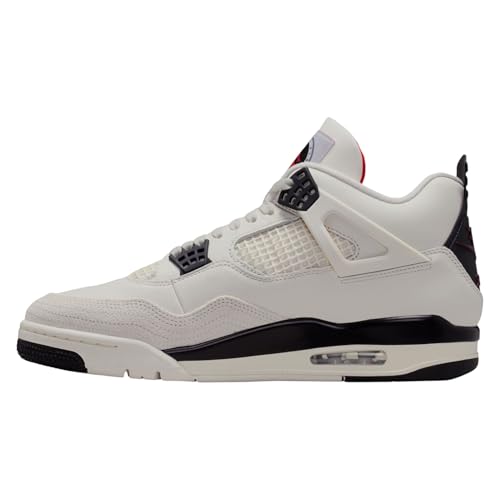
The Air Jordan 4 Retro is a 1989-designed lifestyle sneaker best for wearers who like a structured, supportive midfoot with distinctive netting and plastic wings, and who are willing to size carefully because the forefoot runs narrow. Nike says it generally fits true to size for standard feet and recommends half a size up for wider feet, while SB and Reimagined versions are advised true to size. This guide covers design details, materials, versions, sizing, comfort, care and how the shoe compares with alternatives.
Our top picks



As an Amazon Associate we earn from qualifying purchases at no extra cost to you.
Air Jordan 4 Retro at a Glance
| Item | What Nike and reviewers report |
|---|---|
| Original design | Introduced in 1989; “Retro” refers to re-releases |
| Signature details | Mesh netting panels, plastic lace “wings,” visible heel tab, Air unit |
| Typical materials | Leather, nubuck or suede-style (some OG-style colorways use synthetic nubuck, per Kicksundercost) with plastic wings |
| Nike sizing advice | True to size for standard feet; half size up for wider feet; true to size for SB and Reimagined |
| Fit character | Narrow forefoot for many men; snug toe box for many women |
| Break-in | Roughly 2 to 4 days of moderate wear, per one guide; up to 5 to 10 wears on stiffer synthetic nubuck, per Kicksundercost |
| Best for | Casual, style-led wear; short days on foot |
What the Shoe Is
The Air Jordan 4 was originally a performance basketball shoe, and its construction reflects that era. Nike notes that the original 1989 design used materials and methods of its time, and that the 2023 Air Jordan 4 Retro SB introduced pattern adjustments to improve forefoot comfort. Today the shoe is mainly a lifestyle sneaker. Its look is defined by the side netting, which was meant to aid breathability, the plastic wings that carry laces and help lockdown, and the molded heel tab.
Design Details
Netting
The mesh panels on the side and tongue area add ventilation, and also contribute to the shoe’s structured shape. Reviewers note that the netting and plastic wings do not stretch, which affects how the midfoot feels, particularly on wearers with high insteps.
Plastic wings and lacing
WearTesters praises the lockdown from the forefoot wings and the rear wings once the laces are adjusted. The same rigid parts can make the shoe feel snug through the midfoot. Nike suggests loose lacing to accommodate different foot shapes and during break-in.
Cushioning
The AJ4 uses an Air unit in the heel. Kicksundercost reports that around 2023 a softer polyurethane midsole replaced the firmer Phylon foam used in earlier releases. Sources disagree on the forefoot: some say the encapsulated forefoot unit was removed on the 2023 SB version, while retailer descriptions of later mainline Reimagined pairs still mention forefoot Air-sole cushioning. Cushioning feel can therefore differ between pairs from different years, so read the specifics of the release you are considering.
Materials and Versions
| Version type | Typical traits | Fit advice |
|---|---|---|
| OG-style retros | Durabuck or nubuck-style uppers on many colorways; stiffer at first | True to size, half up for wide feet |
| Leather colorways | Often break in faster, according to Kicksundercost | True to size, half up for wide feet |
| Pre-2023 pairs | Tighter across the metatarsals per Kicksundercost | Half size up often advised for wide feet |
| SB and Reimagined | Pattern changes for forefoot room, per Nike | True to size for standard and wide |
| Women’s and kids’ sizing | Same design, different size scale | Toe box snug on women’s; consider half size up for roomier feel |
Because releases vary, check the specific product page for material descriptions. Some colorways use suede, others full leather, and Nike’s product pages list materials for each.
Fit and Sizing in Detail
Nike’s sizing guide states the Air Jordan 4 Retro generally fits true to size for standard foot shapes, and that those with wider feet should consider half a size up. For men, Nike says the shoe runs narrower in the forefoot, so people with C or D widths may want to size up half. For women, true to size works for most, though the toe box is snug.
Independent sources largely match. The Sole Supplier and Solefeed describe the shoe as not the easiest retro to fit, with recurring pinky-toe pressure and some owners reporting inconsistent sizing between pairs. Kicksundercost says newer pairs feel roomier than older ones.
- Narrow or standard feet: true to size.
- Wide feet or high insteps: consider half a size up, especially on older or stiffer pairs.
- Between sizes: choose the larger and use thicker socks or an insole if needed.
- Always check the return policy if ordering online.
Comfort and Break-In
Expect structure rather than plushness. The materials are firm and the netting and wings hold the foot, so comfort comes from a good fit and time to break in. Nike recommends wearing the shoes around the house first so the materials soften. Loose lacing, thinner socks and gentle early wears can help avoid hot spots.
For long days on your feet, a cushioned modern sneaker is usually more comfortable. If you have foot pain or numbness in your toes from tight shoes, stop wearing the pair and consult a podiatrist rather than pushing through a break-in.
Care and Durability
An older WearTesters review found the PU-coated leather very durable, and the plastic wings are hard-wearing. The main care concerns are suede or nubuck staining, midsole yellowing and creasing.
- Brush suede or nubuck gently with a soft brush and let it dry naturally.
- For leather, wipe with a damp cloth and mild soap, testing a hidden spot first.
- Use a soft brush on the midsole and netting; avoid bleach, harsh solvents and washing machines, and work in a ventilated area.
- Store away from direct sun and heat to limit discoloration and glue weakening.
- Keep shoe trees or paper in them to limit toe creasing.
Who Should Pick the Air Jordan 4
| Pick the AJ4 if you… | Skip it if you… |
|---|---|
| Like structured, retro basketball styling | Want a soft, flexible sneaker straight out of the box |
| Have narrow to standard feet | Have wide feet and cannot find a comfortable size or version |
| Want a shoe for casual outings | Need all-day walking cushioning |
| Are open to a break-in period | Dislike rigid midfoot parts |
Comparison With Alternatives
Air Jordan 3 Retro
The WearTesters reviewer preferred the softer leather of the AJ3. Reviewers often describe the Jordan 3 as a little more flexible and less caged than the 4, though silhouettes differ.
Air Jordan 1 Mid or High
The Jordan 1 is simpler and lighter, with a more forgiving upper. It suits wearers who want classic Jordan style without the rigid wings and netting.
Nike Air Max 90
The Air Max 90 has more visible cushioning and a softer ride, so it is often a better pick for long casual wear. It lacks the Jordan 4’s basketball-heritage look.
Lacing and Fit Tweaks
Because the netting and wings are rigid, small adjustments make a visible difference. Nike’s tips and reviewer advice combine into a short list.
- Skip the top lace holes or lace loosely through the wings if you feel pressure on the instep.
- Try a thinner sock during break-in and move to a thicker one only if the shoe feels loose.
- If the pinky toe is pressed, a half size up or a different version may be a better answer than stretching.
- Use the heel tab to pull the shoe on, which reduces strain on the collar.
Everyday Use
The Air Jordan 4 suits casual wear with jeans, cargo pants and shorts. Its bulk is moderate, and the visible netting gives it a more technical look than a Jordan 1. It is generally not marketed as a modern performance basketball shoe today, and anyone planning to play in a pair should check the specific release and consider a current basketball model instead. For travel days with lots of walking, many wearers choose a softer sneaker.
Seasonal habits matter. Suede and nubuck colorways need extra caution in rain, while leather pairs shrug off light moisture better. Neither type is waterproof, so avoid soaking them, and let damp pairs dry naturally.
Frequently Asked Questions
Does the Air Jordan 4 run small?
Nike says it fits true to size for standard feet and suggests half a size up for wider feet. Many reviewers find the forefoot narrow, so wide-footed wearers often go up.
What size should I get if I have wide feet?
Nike advises half a size up on the standard Retro, and true to size on the SB and Reimagined versions that have forefoot pattern changes.
Is the Air Jordan 4 comfortable?
It is supportive and secure but firm. Break-in time varies by material, from a few days on leather to several wears on stiffer synthetic nubuck.
What is the netting for?
The netting was designed for ventilation and is part of the shoe’s identity. It does not stretch, so it contributes to the structured midfoot feel.
How should I clean Air Jordan 4s?
Use a soft brush and mild soap with a damp cloth, test a hidden spot first and avoid bleach and solvents. Let them air dry away from heat in a ventilated space.
Are women’s Air Jordan 4s different?
The design is the same with a different size scale. Nike says the toe box is snug for many women, so consider half a size up for a roomier fit.