
Key takeaways
- Plus 3: Captain Creps says to go with your usual size, noting the upper is stretchy, so a half size up or down could leave the shoe too small or too big and less supportive. TheenStyle’s review of a Plus 3 colourway also found it true to size with a slightly snug midfoot for lockdown.
- General Air Max Plus: a recent review says it fits true to size for most people but is slightly narrow at the midfoot, so wide feet may want half a size up. Foot Locker gives similar guidance: true to size for a standard fit, half a size up for more room.
- Narrow fit view: Solefeed says it fits narrow and that half a size up is the near-universal advice, with a caution that going up can leave dead space at the toe.
- Too-small risk: Solefeed warns that toe mesh can separate if the shoe is sized too small.
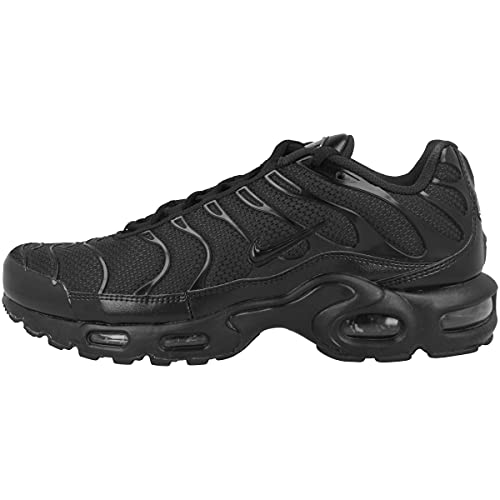
The Nike Air Max Plus, widely called the TN, is best for people who want a bold, caged, wavy-lined lifestyle sneaker with Tuned Air cushioning for casual wear and light walking, and it suits narrow to average feet better than wide ones. Nike describes it as a Tuned Air experience that offers premium stability and cushioning, and reviewers generally call it a solid daily casual shoe rather than a plush one. Fit is the main point to get right, since several sources report a snug midfoot.
Our top picks


As an Amazon Associate we earn from qualifying purchases at no extra cost to you.
What the Air Max Plus Is
Solefeed reports that the Air Max Plus launched in 1998, designed by Sean McDowell, with a wavy support cage echoing palm trees and gradient uppers inspired by beach sunsets. Nike’s own men’s page describes the shoe in similar terms: wavy design lines, TPU accents and airy mesh on the upper. Nike says the TPU arch is inspired by a whale’s tail, the TPU fingers nod to palm trees and ocean waves, and a TPU toe tip adds durability and shine. Reflective details and a rubber sole are also listed.
The cushioning is Tuned Air: Nike says Air units were originally designed for performance running and give lightweight cushioning that lasts. Solefeed explains the idea as pods engineered differently for different areas of the foot. Regional Nike pages describe visible Max Air units that give lightweight cushioning for push-offs and landings. Nike does not publish a weight on the pages reviewed here.
At a Glance: Plus Versions
| Version | Best for | Key stated details | Limits |
|---|---|---|---|
| Air Max Plus (core men’s, women’s) | Everyday casual wear | Nike lists a mesh upper with TPU cage, Tuned Air, rubber outsole | Snug midfoot reported; quality-control comments from some reviewers |
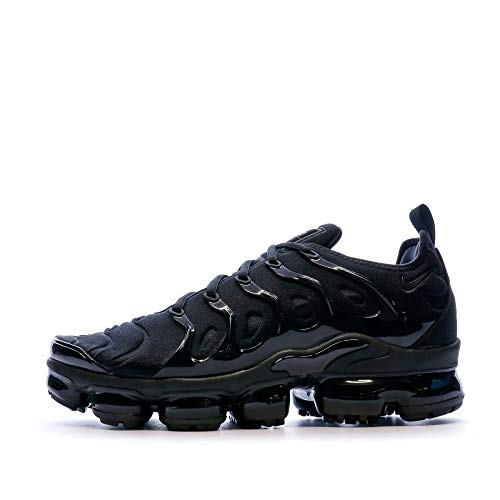
| Air Max Plus 3 (Tuned 3) | Buyers who want the updated take on the shape | Captain Creps reports a true-to-size fit and a stretchy upper | Details differ from the original; confirm on the listing |
| Air Max Plus Drift | A different, more modern take | Solefeed lists it as a separate line | Solefeed says quality has been especially inconsistent |
| Kids’ and older kids’ Air Max Plus | Children | Nike lists the model in older kids’ sizes | Follows kids’ size scales |
| Seasonal and colourway releases | Gradient and bold colour fans | Same cage and Tuned Air idea | Materials vary by release |
Naming for the Plus 3 and later lines is not always consistent across retailers. If a version is not shown on Nike’s current pages, treat it as a previous generation, and use the materials line of the specific listing to confirm what you are buying. Nike’s SNKRS copy describes the original Plus as having curvy, vertical cage overlays, while the Plus III (also sold as Tuned 3) uses horizontal overlays for a more aerodynamic look, and retailers describe a larger heel Tuned Air unit and a sculpted TPU heel counter. These come from Nike and retailer descriptions rather than independent head-to-head testing.
Cushioning and Comfort for Walking
Solefeed describes the comfort as genuine all-day casual comfort suitable for lifestyle wear and daily walking, but not for running or gym use, and rates it a solid daily-casual shoe rather than a plush one. Another review calls the cushioning firmer and more controlled than soft modern foam. Captain Creps says the shoe is very supportive, but the firm outer cage can feel stiff, and tying laces too tightly can make the cage rub the foot.
The moulded cage also limits flexibility, and a review notes it can create pressure for wide feet. For walking, that means the shoe works well on pavements and in town but may feel rigid across long distances if the lacing is tight. If you experience foot pain from walking in any shoe, evidence that a particular sneaker helps or harms is limited, so a podiatrist or physiotherapist is the right contact.
Fit and Sizing
Reviewers mostly agree the Air Max Plus fits true to size but a bit snug, with the narrow midfoot as the main talking point.
- Plus 3: Captain Creps says to go with your usual size, noting the upper is stretchy, so a half size up or down could leave the shoe too small or too big and less supportive. TheenStyle’s review of a Plus 3 colourway also found it true to size with a slightly snug midfoot for lockdown.
- General Air Max Plus: a recent review says it fits true to size for most people but is slightly narrow at the midfoot, so wide feet may want half a size up. Foot Locker gives similar guidance: true to size for a standard fit, half a size up for more room.
- Narrow fit view: Solefeed says it fits narrow and that half a size up is the near-universal advice, with a caution that going up can leave dead space at the toe.
- Too-small risk: Solefeed warns that toe mesh can separate if the shoe is sized too small.
Practical approach: narrow or average feet should start with their usual size, and wide feet should try half a size up or try the shoe on in person. Check Nike’s size chart for conversions between men’s, women’s and kids’ scales.
Durability and Care
Nike lists airy mesh that is lightweight and durable, plus a TPU toe tip for added durability. Solefeed reports quality-control inconsistency on recent pairs, with issues such as glue residue, toe mesh separation and misaligned panels, and notes Nike covers genuine defects under a two-year warranty according to its source. Experiences differ, so inspect a pair when it arrives and check the return and warranty terms with the seller.
A cautious cleaning routine:
- Remove laces and brush loose dirt from the mesh and cage.
- Test mild soap and lukewarm water on a hidden spot.
- Use a soft brush gently around the TPU cage and mesh; avoid soaking the shoe.
- Wipe with a damp cloth, then air dry in a ventilated place away from direct heat.
- Do not use bleach, and never mix cleaning products.
The glossy gradient finishes can scuff, so avoid abrasive pads. Loosening the laces slightly can reduce cage rubbing.
Pick the Air Max Plus If…
| If you… | Then… |
|---|---|
| Want a bold, distinctive caged look | The Plus is one of the most recognisable Air Max designs |
| Walk casually in town | Reviewers call it a solid daily-casual shoe |
| Have narrow or average feet | Usual size is typically advised |
| Have wide feet | Try half a size up or choose a roomier model |
| Want the plushest ride | Consider the Air Max 270 |
| Need a gym or running shoe | Choose a purpose-built shoe |
How It Compares With Alternatives
Air Max 270
The 270 has a large heel Air unit and a sleeve-like upper, and reviewers describe it as softer under the heel. The Plus feels firmer and more structured because of its cage.
Air Max 90
The 90 is lower-profile and classic, with a heel Air window and a Waffle outsole. It is reported to run narrow as well, but it lacks the Plus cage and its pressure points.
Air Max 95 or 97
Both carry more visible Air along the sole. The 95 is described as the more flexible of the two. They are chunkier and more traditional in design than the Plus.
Rival brands
Other brands offer caged or overlay-heavy lifestyle runners that may flex more easily or weigh less, but few match the Plus’s wave-line styling.
Styling and Everyday Use
The Plus is a statement shoe, and its gradient fades, reflective details and wave-shaped cage mean it tends to be the focal point of an outfit. Nike’s pages emphasise the airy mesh and visible cushioning, and reviewers say it works best for casual days, travel and city walking rather than athletic training. Because the cage limits flex, many wearers loosen the laces slightly across the midfoot for long days. Socks that are not too thick help avoid pressure at the cage edges. Rotating between two pairs of shoes can also reduce wear on the toe mesh, the area reviewers mention most when discussing early wear.
Who Should Skip It
Skip the Plus if you have wide feet and do not want to go up in size, need a flexible forefoot, want a lightweight shoe, or prefer a plush foam ride. Buyers who are bothered by inconsistent finishing should inspect the shoes closely.
Frequently Asked Questions
Does the Air Max Plus run true to size?
Most reviewers say true to size but snug, particularly through the midfoot. Wide feet are commonly advised to try half a size up, and Captain Creps says the Plus 3 fits true to size.
What is the difference between the Air Max Plus and the Plus 3?
Nike’s SNKRS copy says the original has curvy, vertical cage overlays while the Plus III (Tuned 3) switches to horizontal overlays for a more aerodynamic look. Reviewers also describe a stretchy upper and true-to-size fit for the Plus 3, so check the listing details for each pair.
Is the Air Max Plus comfortable for walking?
Reviewers call it comfortable for daily casual walking, though firmer than plush modern shoes. The cage can rub if laces are too tight. Persistent pain is a reason to see a podiatrist or physiotherapist.
Is the Air Max Plus good for running or the gym?
No. Solefeed says it is not designed for running or gym activities.
What does Tuned Air mean?
Solefeed describes Tuned Air as Nike cushioning with pods engineered for different foot areas. Nike lists it as the cushioning idea behind the Plus.
How should I clean an Air Max Plus?
Brush off dirt, test mild soap on a hidden spot, wipe gently, and air dry away from heat. Avoid bleach and soaking.







