
Key takeaways
- RunRepeat reports that owner votes lean toward true to size, and GOAT and StockX say the same.
- Other guides call the fit snug, with a forefoot that tapers more than the Air Max 90.
- Wide-footed buyers are commonly told to go up half a size for forefoot room.
- One guide notes that some people who like a tighter, locked-in feel choose half a size down, though this is a personal preference rather than a standard approach.
The Nike Air Max 97 is best for people who want a sleek, futuristic lifestyle sneaker with a full-length visible Air unit and who do not mind a snug fit that can call for sizing up by half a size. It is one of the most recognizable shapes in the Air Max family, and it works as an everyday casual shoe rather than a performance runner. This guide explains the design, what Nike says about the materials and cushioning, how reviewers describe the fit, how the versions differ, and how to care for the shoe.
Our top picks


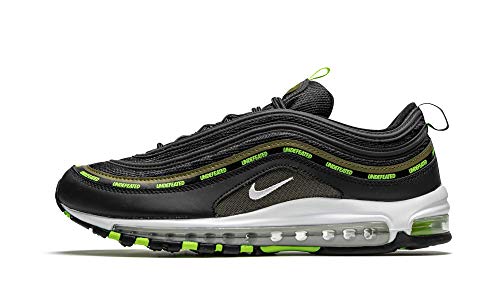
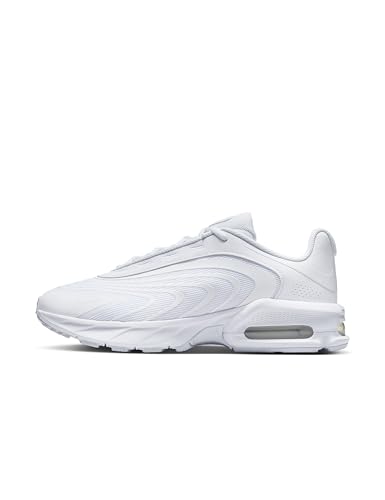
As an Amazon Associate we earn from qualifying purchases at no extra cost to you.
Air Max 97 at a Glance
| Item | What Nike and reviewers report |
|---|---|
| Designer and origin | Christian Tresser; first released in the late 1990s |
| Design idea | Nike cites Japanese bullet trains as the inspiration for the ripple-line pattern |
| Cushioning | Full-length Max Air unit with a foam midsole |
| Upper | Mesh and synthetic materials on the standard version, per Nike |
| Outsole | Rubber; reviewers note it was the first Air Max with a full rubber outsole |
| Fit | Most guides (GOAT, StockX, RunRepeat votes) call it true to size; wide feet are often told to go half a size up |
| Best for | Casual wear, outfits that benefit from a sleek profile |
| Limits | Narrow forefoot, stiffness at first, surface that picks up marks |
What the Shoe Is
The Air Max 97 was designed by Christian Tresser, and Nike states that its original ripple design was inspired by Japanese bullet trains. Reviewers also mention that the first release came in a metallic silver colorway often called Silver Bullet. The shape is long and low with flowing lines that wrap from the toe to the heel.
Its signature technical feature is the Air unit. Where earlier Air Max models showed a window in the heel, and sometimes the forefoot, the Air Max 97 runs a single Air unit along the whole length of the sole. Nike describes it as a full-length Nike Air cushioning unit originally developed for performance running, paired with a springy foam midsole.
Cushioning and Comfort
Nike says the full-length Max Air unit provides soft, responsive cushioning, and that the rubber outsole supports traction and durability. A foam sockliner and a pull tab at the heel add practical comfort details. Independent reviewers generally describe the shoe as supportive for walking and daily wear once it has been broken in, with the Air doing its job better after the upper softens.
RunRepeat’s review rates cushioning and stability in the mid-70s out of 100 and puts durability much higher, which fits the idea of a shoe that feels firm and well built rather than plush. One reviewer on a fashion retailer’s site did not find the 97 more comfortable than other Air Max models, so opinions differ. The all-rubber outsole makes the sole stiffer than the Air Max 90, which many wearers notice as a firmer feel at the start.
As with all lifestyle Air Max models, the shoe is not built for modern running. Foams in today’s running shoes are lighter and softer, and the 97 is intended for casual use.
Fit and Sizing
Sizing advice is mostly consistent, with a few differences:
- RunRepeat reports that owner votes lean toward true to size, and GOAT and StockX say the same.
- Other guides call the fit snug, with a forefoot that tapers more than the Air Max 90.
- Wide-footed buyers are commonly told to go up half a size for forefoot room.
- One guide notes that some people who like a tighter, locked-in feel choose half a size down, though this is a personal preference rather than a standard approach.
The practical reading is that length is close to true to size, but width is limited. If your feet are narrow or average, your usual size will work for many wearers. If you have a wider foot, a high instep, or you wear thick socks, going up half a size, as several guides suggest, is a sensible starting point. Because the upper is made from mesh and synthetic panels that mold to the foot, it will not stretch dramatically, so try to fit it properly from the beginning.
Materials and Build
Nike lists mesh and synthetic materials on the standard version. RunRepeat describes the upper as tightly woven mesh with durable synthetic leather. That combination gives the shoe a smooth, technical look and resists scuffing better than suede does. The same review notes a trade-off: the mesh and leather-like fibers can absorb stains and marks fairly easily, so light colorways need attention.
Versions and Variants
Nike releases the Air Max 97 in many colorways and special editions. The main ways versions differ:
- Standard Air Max 97: mesh and synthetic upper, full-length Max Air, rubber outsole, and the ripple pattern.
- SE (Special Edition) versions: Nike uses SE for variations in materials, graphics, or themes. The core shape and Air unit stay the same, while the finish and colors change.
- Premium variants: different or upgraded materials on the same shape.
- By You custom options: Nike lets buyers select upper materials, colors, and Air unit colors.
- Recycled-material editions: some themed releases use recycled content; check the product description of any specific pair for details.
Because the shape and sizing remain similar across versions, switching between them does not usually change the size you need, though material differences can slightly alter how snug a pair feels.
Durability and Care
RunRepeat rates durability very highly, citing the tightly woven mesh and synthetic leather. The rubber outsole should also hold up well under everyday use. The main wear issue is cosmetic: marks, creases, and stains can build up on the pale mesh and the long ripple lines.
A cautious cleaning approach:
- Brush off dry dirt with a soft brush, working along the ripple lines.
- Test any cleaner on a hidden area first, such as inside the tongue.
- Use a damp cloth with mild soap and water for the upper. Do not use bleach or combine cleaning products, and keep the room ventilated.
- Wipe the midsole and outsole separately with a soft cloth.
- Air dry away from direct heat and sunlight, with paper inside to hold the shape.
Avoid machine washing, which can warp the structure and weaken adhesive.
Which Version or Fit Choice Suits You?
| Pick this if you… | Choice |
|---|---|
| Want the classic Air Max 97 look | Standard version in a neutral colorway |
| Like themed finishes | An SE or Premium version |
| Want your own colors | By You custom option |
| Have wider feet | Go up half a size, as several guides advise |
| Have narrow feet and like a tight fit | Your usual size may work; try before deciding |
| Dislike stiffness | Allow a break-in period or consider a softer sneaker |
How It Compares With Alternatives
Nike Air Max 90
The Air Max 90 is roomier, according to sizing guides, and has a more traditional shape with a heel-only visible Air unit. It is often called the more versatile everyday choice.
Nike Air Max 95
The Air Max 95 has a layered, muscular look and separate heel and forefoot Air units. It is heavier and has its own narrow fit. The 97 looks smoother and more streamlined.
Rival brands
Chunky retro runners from New Balance or ASICS often use softer foams and may feel lighter on foot. They typically lack the signature visible Air, but they can suit people who prioritize softness over styling.
Who Should Skip It
- People with wide feet who do not want to size up.
- Anyone looking for a current running shoe.
- Buyers who want a very soft, flexible sole right out of the box.
- Those who prefer a rugged, easy-to-clean material over pale mesh.
If you experience foot pain, a podiatrist or physiotherapist is the right person to ask about footwear. Evidence on how particular sneaker styles affect foot health is limited, and good fit matters most.
Frequently Asked Questions
Should I size up in the Air Max 97?
Most guides call the shoe true to size, while some describe it as snug through the forefoot. Wide feet are the clearest case for going up half a size.
What is special about the full-length Air unit?
Instead of a window only in the heel or in the heel and forefoot, the Air Max 97 has one unit running the length of the sole. Nike says this provides soft, responsive cushioning. Reviewers note the effect is more noticeable once the stiffer sole has broken in.
Is the Air Max 97 good for running?
It is sold as a lifestyle sneaker. Although the Air technology came from running, modern running shoes use lighter foams and are designed for training. The 97 is better treated as a casual shoe.
What does SE mean on an Air Max 97?
SE stands for Special Edition. It usually means a variation in materials, graphics, or colors on the same basic shoe. Check the product description of a specific pair for what is different.
Does the mesh upper stain easily?
RunRepeat notes that the mesh and leather-like fibers can absorb stains and marks fairly easily. Light colorways show it most. Clean spills early with a damp cloth and mild soap, after testing on a hidden spot.
How does the Air Max 97 compare to the Air Max 90 for comfort?
Reviewers describe the 97 as stiffer at first because of its full rubber outsole and as narrower through the forefoot. The 90 is generally described as roomier. Comfort depends on your foot shape, so trying both is the most reliable way to decide.







