
Key takeaways
- Length is generally true to size, but the midfoot and forefoot are narrow.
- People with wide feet are commonly advised to go up at least half a size, and some go up a full size.
- Some reviewers describe the fit as slightly snug but say it loosens quickly.
- Fit can differ between releases, because retros are not always built exactly like the 1995 originals.
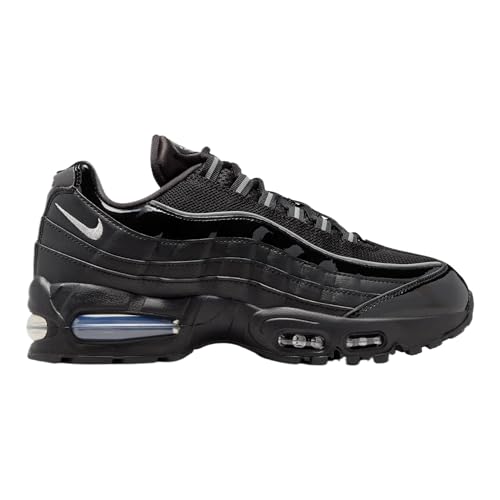
The Nike Air Max 95 is best for people who want a bold, anatomy-inspired lifestyle sneaker with visible Max Air in both the heel and forefoot, and who are willing to put up with a narrow fit and a short break-in period. It is a statement shoe first and a comfort shoe second, which is the honest way to frame it before comparing colorways or sizes. This guide covers where the design came from, how it fits according to reviewers and Nike, how the versions differ, how to look after it, and which alternatives may suit you better.
Our top picks



As an Amazon Associate we earn from qualifying purchases at no extra cost to you.
Air Max 95 at a Glance
| Item | What Nike and reviewers report |
|---|---|
| Original release | 1995, designed by Sergio Lozano as a running shoe |
| Design idea | Nike says it draws on the human body and 1990s track styling: the midsole and outsole stand in for the spine, the layered panels for muscle, the lacing for ribs |
| Cushioning | Visible Max Air units in the heel and forefoot, with a foam midsole and flex grooves |
| Upper | Layered synthetic leather and textile on the Big Bubble line; an all-leather Big Bubble variant also exists |
| Outsole | Rubber |
| Weight | One review site lists roughly 458 g per shoe and calls it heavy |
| Fit | True to size in length, narrow through the midfoot according to most reviewers |
| Best for | Casual wear, streetwear outfits, people who like a chunky silhouette |
| Limits | Stiff at first, heavy, narrow, not a modern performance runner |
Design History in Brief
The Air Max 95 arrived in 1995 and was designed by Sergio Lozano. Reporting around the design describes it as a divisive release when it launched, with Lozano himself describing “lovers and haters.” The concept came from the body: Nike states that the midsole and outsole represent the spine, the upper panels the muscles, and the laces the ribs. The wavy, layered side panels are the part most people recognize on sight.
It was also a technical step for the Air Max line. Reviewers note it was the first Air Max to show a visible Air unit in the forefoot as well as the heel, and the dark midsole broke from the white midsoles common at the time. Over the following decades it became closely tied to streetwear scenes, particularly in the UK and Japan, where certain neon colorways became signature looks.
Cushioning and Comfort
Nike describes the shoe as having visible Max Air cushioning in the heel and forefoot with flex grooves in the midsole and outsole so the foot can move freely. The Big Bubble versions are described by Nike as having larger visible Air units than earlier iterations. Reviewers who cover the model generally agree that, once it has softened up, the dual Air setup gives a cushioned, protected ride for walking and standing, helped by firm padding around the collar and tongue.
The common caveat is the first week or two. Review sites report that the shoe is stiff out of the box and needs several days up to about two weeks to settle. The layered upper and padded collar can press on the foot until the materials relax. If you have a low tolerance for stiffness, wear them for short stretches at first and use medium-thickness socks.
The Air Max 95 should not be treated as a modern running shoe. It began life as a running model, but today’s daily trainers use lighter, softer foams and are built very differently. Treat it as a casual shoe with running heritage.
Weight and Feel Underfoot
One independent review lists the Air Max 95 at about 458 g per shoe and calls it heavy. That sits well above most current road running shoes, which typically weigh around 250 to 300 g. The weight comes from the layered upper, the thick sole, and the visible Air units. For walking around town it is rarely a problem, but for travel days with a lot of steps, some wearers may notice it by the end of the day.
The visible Air adds noticeable height. One review puts the added stack at roughly 3 to 4 cm, which is part of why the shoe looks so bold. That height also means the shoe feels higher off the ground than a flat-soled court sneaker.
Fit and Sizing
Fit is the main thing to get right with this model. Nike’s own product page for the Big Bubble line passes along customer feedback that the shoe runs narrow and slightly small, with a half size up suggested, especially for wider feet. Independent reviewers largely agree:
- Length is generally true to size, but the midfoot and forefoot are narrow.
- People with wide feet are commonly advised to go up at least half a size, and some go up a full size.
- Some reviewers describe the fit as slightly snug but say it loosens quickly.
- Fit can differ between releases, because retros are not always built exactly like the 1995 originals.
If you are between sizes, the half size up is the safer direction for most feet, because the visible Air units and stiff upper leave little room to stretch. If you can try them on in a store, do so late in the day when feet are at their largest, and walk around for several minutes before deciding. Nike’s size chart and fit notes on the specific product page are worth reading because they can differ by version.
Versions and Variants
Nike’s Air Max 95 range changes often, so it helps to know the families rather than memorize individual releases. On Nike’s own listings the main groups are:
- Big Bubble “OG”: a throwback take with synthetic leather and textiles and enlarged visible Air, aimed at the original look.
- Big Bubble Leather: an all-leather take on the same shape.
- Big Bubble Premium and SE: seasonal or special-edition materials and colors, including reflective accents on some pairs.
- Air Max 95 Premium: upgraded or varied materials on the classic shape.
- Specialty versions: Nike has also listed an Air Max 95 skate shoe, a golf version, and a customizable By You option.
The differences between these are mostly in materials, finish, and the size of the visible Air unit. The core silhouette, narrow fit, and weight stay broadly similar. Because versions rotate, read the product description for materials before buying rather than assuming a colorway matches the one you saw on someone else.
Durability and Care
One review site rates overall durability as solid, though it notes that some recent retros have coarser materials than older pairs. The multi-panel upper has many seams, and the layered panels collect dirt along the edges. Rubber outsoles wear slowly under casual use. The visible Air units are sealed, but sharp objects and heavy abuse can damage any exposed cushioning, so avoid rough terrain.
For care, keep it conservative:
- Remove the laces and brush off loose dirt with a soft brush.
- Test any cleaner on a hidden spot first, such as under the tongue.
- Wipe the upper with a damp microfiber cloth and mild soap diluted in water. Do not use bleach, and never mix cleaning products.
- Clean the midsole and the Air windows with a soft cloth; avoid abrasive pads that can scratch the clear plastic.
- Let the shoes air dry in a ventilated space away from direct heat. Stuff them with paper to hold their shape.
Avoid the washing machine and tumble dryer, because heat and tumbling can weaken the glue and distort the panels.
Which Air Max 95 Should You Choose?
| Pick this if you want… | Why |
|---|---|
| The classic look | Big Bubble “OG” is Nike’s throwback take on the original profile |
| A more leather-forward shoe | The Big Bubble Leather version swaps textile panels for leather |
| Something with extra seasonal detail | Premium and SE versions offer different materials and accents |
| A pair for skating or golf | Nike lists dedicated skate and golf versions |
| Your own colors | The By You option lets you change materials and colors |
How It Compares With Alternatives
Nike Air Max 90
The Air Max 90 is the usual alternative. Reviewers often describe it as lighter and more versatile for everyday wear, with a single visible heel unit and a more conventional shape. If the Air Max 95 feels too heavy or too narrow, the 90 is a sensible comparison.
Nike Air Max 97
The Air Max 97 uses a full-length visible Air unit and a smoother, ripple-lined upper inspired by bullet trains. It is slimmer in profile and has a streamlined look, while the 95 is more layered and rugged. Fit on both is snug, so neither is a roomy choice.
Rival chunky sneakers
Brands such as New Balance and ASICS make chunky retro trainers with softer foams and, in many cases, a lighter feel. These tend to appeal to people who prioritize all-day comfort over a visible Air unit, though the look is quite different.
Who Should Skip It
- Anyone with wide feet who is unwilling to size up or who finds narrow shoes uncomfortable.
- Runners looking for a current performance trainer; a modern running shoe is a better tool.
- People who want an ultra-light everyday sneaker.
- Anyone who dislikes break-in time.
If you have foot pain or a medical condition that affects how you walk, speak to a podiatrist or physiotherapist about footwear. The evidence linking specific sneaker styles to foot health outcomes is limited, and personal fit matters more than any label.
Frequently Asked Questions
Does the Air Max 95 run true to size?
Most reviewers report that it is true to size in length but narrow through the midfoot. Nike’s product page also relays a half size up for wider feet. If you have wide feet, expect to go up at least half a size.
Is the Air Max 95 comfortable for walking all day?
After the break-in period, reviewers describe the dual Air cushioning as comfortable for walking and standing. The shoe is heavy compared with modern trainers, so it may feel tiring for very long days on your feet. Comfort also depends heavily on getting the size right.
How long is the break-in period?
One independent review says several days to about two weeks. The stiff upper and padded collar are the usual cause. Wearing the shoes for short periods at first usually helps.
Can I run in the Air Max 95?
It started as a running shoe in 1995, but it is now sold as a lifestyle sneaker. Modern running shoes use lighter, more flexible midsoles and are designed for the job. For regular running, a current trainer is the better choice.
How is the Air Max 95 different from the Air Max 97?
The 95 has separate visible Air units in the heel and forefoot and a layered, muscular upper. The 97 uses a full-length visible Air unit and a sleek, ripple-patterned upper. The 97 looks smoother, while the 95 looks more rugged.
How should I clean Air Max 95 sneakers?
Use a soft brush and a damp cloth with mild soap, and test it on a hidden area first. Do not use bleach or mix cleaning products, and work in a ventilated room. Air dry away from heat rather than using a washing machine or dryer.







