Key takeaways
- Try shoes later in the day, when feet are slightly swollen, and wear the socks you walk in.
- Leave roughly a thumb’s width in front of your longest toe.
- TechRadar describes the Vomero 18 as snug and not true to size, so many people try a half size up.
- If you need extra room, look for the Pegasus extra-wide option Nike lists, or the wide midsole platform on the Invincible-style shoes.
- Nike’s women’s and men’s sizing are different scales, so use the size chart for the specific model and gender listing.
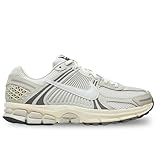
For most walkers the Nike Motiva is the most purpose-built choice, the Pegasus is the most versatile all-rounder, and the Vomero or Invincible-style max-cushion shoes suit people who spend hours on hard surfaces; the right pick depends mostly on how much cushioning you want, how wide your foot is and whether you need extra stability. Nike does not sell a single “walking shoe for everyone”, and reviewers from RunRepeat to WWD say there is no universal best. This guide sorts the models Nike and independent reviewers discuss for walking, explains what the cushioning and drop numbers mean, and gives sizing and foot-type advice, including when to see a podiatrist instead of shopping.
Our top picks


As an Amazon Associate we earn from qualifying purchases at no extra cost to you.
Nike Walking Shoes at a Glance
Nike’s own walking guide names the Motiva, Ava Rover, Invincible, Pegasus, Structure and Vomero. RunRepeat’s separate walking list adds the Structure Plus, Winflo 12, Vomero Plus, Structure 26, P-6000 and Quest 6. Model lineups change often, and RTINGS and WearTesters describe the Vomero Plus as the replacement for the discontinued Invincible line, so remaining Invincible pairs are leftover stock of a previous model. Current versions include the Pegasus 42 (Nike’s page lists a release date of April 9, 2026), the Vomero 18 and the Motiva 2, while shelves in some regions may still carry older numbers.
| Model | Best for | Stated or reported traits | Limits |
|---|---|---|---|
| Motiva | Dedicated walking, walk-jog mixes | Nike describes a cushioned midsole, rocker-style heel-to-forefoot transition and ComfortGroove outsole bumps; RunRepeat scored it highly with a wide, stable base | Review is older; fewer color and fit updates |
| Pegasus | Versatile daily walking, wider feet | Nike lists a ReactX foam midsole and Air Zoom cushioning (a curved, full-length Air Zoom unit on the Pegasus 42, dual units on earlier versions), a neutral fit, and extra-wide availability on some versions | Less plush than max-cushion models |
| Vomero / Vomero Plus | Long walks wanting soft, springy cushioning | Nike lists ZoomX plus ReactX foam; RunRepeat measured a stack of about 42.3/32.7 mm on the Vomero Plus and high shock absorption | Narrow toebox on the Plus; stiffer than average in a bend test |
| Invincible (discontinued; previous generation) | Maximum cushioning and a wide midsole | Nike lists ZoomX foam and a wide base for stability | Line discontinued per RTINGS, with the Vomero Plus as its replacement; premium tier |
| Structure / Structure Plus | Walkers who prefer a stability-style shoe | Nike describes a crash pad and blown-rubber forefoot; RunRepeat lists Structure 26 at about 10.4 oz | Heavier, firmer feel |
| Winflo 12 | Plush foam on a more accessible tier | RunRepeat reports 139 SA heel shock absorption | Less specialised |
| Ava Rover | City commuting, flexibility | Nike lists ReactX foam and urban-oriented design | Not a long-distance specialist |
| Quest 6 | Shorter walks, budget tier | RunRepeat lists stack about 35.2/23.2 mm | Lower cushioning, best for lighter walkers |
What Matters Most in a Walking Shoe
Cushioning
Walking on pavement or tile for hours is repetitive, and many walkers prefer soft, thick midsoles. RunRepeat’s walking guide suggests aiming for a shock absorption score of at least 110 SA for daily walking, and its lab results put the Vomero Plus (147 SA heel) and Winflo 12 (139 SA heel) well above that, with the Quest 6 forefoot (83 SA) well below. Treat those figures as indicators from one lab, not guarantees of comfort.
Heel-to-toe drop
Nike does not state drop prominently on every walking page, so the numbers come from reviewers when available. In general, a moderate to higher drop shifts load toward the calves and away from the Achilles, while a lower drop feels flatter. If you are changing from a higher-drop shoe to a lower one, reviewers commonly advise making the change gradually.
Rocker geometry
The Motiva’s rocker is described by Nike and RunRepeat as promoting a smooth roll from heel to forefoot, which many walkers like because it reduces effort at toe-off. Firmer rockers can feel odd at first on short strides.
Width and toebox
RunRepeat’s fit notes range from about 93 mm (narrow) to 98 mm or more (wide) across Nike’s range. The Pegasus is available in an extra-wide width according to Nike, whereas the Vomero Plus is described as narrow in the toebox.
Fit and Sizing Advice
Because walking involves long hours on your feet, fit is more important than any technology. Reviewers repeat a few points.
- Try shoes later in the day, when feet are slightly swollen, and wear the socks you walk in.
- Leave roughly a thumb’s width in front of your longest toe.
- TechRadar describes the Vomero 18 as snug and not true to size, so many people try a half size up.
- If you need extra room, look for the Pegasus extra-wide option Nike lists, or the wide midsole platform on the Invincible-style shoes.
- Nike’s women’s and men’s sizing are different scales, so use the size chart for the specific model and gender listing.
Women’s and men’s versions of the same Nike model typically share the platform, with differences in last width and color. If you are between sizes, consider the cut of the shoe: a snug upper favors a half size up.
Foot-Type Advice
Foot type guidance should be modest, because evidence that matching shoes to arch type prevents injury is limited. Still, comfort differs between people, and some patterns are useful to know.
| If you have… | Models reviewers point toward | Notes |
|---|---|---|
| Wide feet | Pegasus extra-wide, Invincible-style wide midsole | Avoid narrow-toebox models like the Vomero Plus unless trialled first |
| Narrow feet | Vomero, Pegasus standard width | Snug uppers can feel secure |
| Flat feet or feet that roll inward | Structure series, wide-platform shoes | Nike describes the Structure as stability-focused; evidence on stability shoes is mixed |
| High arches | Soft, high-cushion shoes such as the Vomero or Winflo | Prioritise shock absorption |
| Long standing shifts | Motiva, Invincible-style shoes | Max cushioning and a stable base help reduce fatigue for many people |
If you have persistent heel, arch, knee or ankle pain, shoe shopping may not solve it. A podiatrist or physiotherapist can assess your gait and foot structure and may recommend inserts, a specific shoe type or other treatment. No sneaker guide, including this one, can promise relief from pain.
Comparisons With Other Brands
Nike Pegasus vs Hoka-style max cushion
Reviewers often describe max-cushion rivals from Hoka and Brooks as softer and taller, while the Pegasus is lighter and more balanced. If you want maximum softness, a Vomero Plus-style Nike or a rival max-cushion shoe will be closer; for everyday versatility the Pegasus is easier to wear.
Nike Motiva vs a classic walking shoe from New Balance or Skechers
Traditional walking shoes from other brands tend to emphasize a flatter, roomier cut and sometimes leather or heavier materials. The Motiva leans on a rocker and foam, so it feels more modern and rolling. Walkers who prefer a flat, firm stride may prefer the traditional style.
Nike Structure vs ASICS or Brooks stability shoes
Stability shoes from other brands use similar medial support concepts. Differences come down to fit and feel, so try them on and walk around the store.
Durability and Care
Foam midsoles compress over time, and reviewers generally say walking shoes lose cushioning before the upper wears out. Rotating two pairs and retiring shoes when the midsole looks creased or feels flat can help. To clean mesh uppers, use a soft brush, lukewarm water and mild soap, test a hidden spot first, let them air dry in a ventilated space and avoid heat, bleach and solvents.
Which Nike Walking Shoe Should You Pick?
| Pick this if… | Model |
|---|---|
| You want a shoe designed around walking and walk-jog sessions | Motiva |
| You want one shoe for walks, errands and the occasional run | Pegasus |
| You want plush, springy cushioning | Vomero or Vomero Plus |
| You prefer a stability-style platform | Structure |
| You are on a tighter budget tier and walk short distances | Quest or Winflo |
| You need flexibility for city streets | Ava Rover |
Practical Tips Before You Buy
- Match the shoe to your surface: concrete and tile reward thicker midsoles, while park paths and trails may suit a firmer, grippier outsole.
- Bring your usual insoles if you use them, since some models have removable footbeds and others do not.
- Walk on a hard floor in the store for several minutes and notice any rubbing at the heel or pressure at the little toe.
- Choose breathable mesh for summer and consider a snugger upper for cooler weather.
Frequently Asked Questions
Which Nike shoe is best for walking all day?
Reviewers often point to the Motiva for a dedicated walking design and to the Vomero Plus or Invincible-style shoes for maximum cushioning. The best pick depends on your foot width and how much softness you like.
Are Nike running shoes good for walking?
Yes, many walkers use them. Nike itself recommends models such as the Pegasus and Vomero for walking, and the extra cushioning helps on hard surfaces.
Do Nike walking shoes come in wide sizes?
Nike lists extra-wide options for the Pegasus. Availability varies by model, so check the width options on each product page.
Do Nike shoes run small?
It varies by model. TechRadar calls the Vomero 18 snug and not true to size, while other models are closer to standard. Trying a pair or checking Nike’s size guidance helps.
What shoe is best if I have flat feet?
Some walkers prefer stability-style shoes like the Structure, but evidence for matching shoes to arch type is limited. If you have pain, see a podiatrist rather than relying on shoe choice alone.
How often should I replace walking shoes?
There is no fixed mileage. Replace them when the midsole feels flat, the outsole is worn smooth or your feet and legs feel more tired than usual.