Key takeaways
- Best for flat feet / high arches: FootJoy Pro/SLX and Ecco Biom series offer structured midsoles with contoured footbeds.
- Best for sensitive joints: Skechers GO GOLF and New Balance Fresh Foam models use ultra-cushioned, low-drop midsoles that reduce pressure on knees and heels.
- Break-in time to consider: Full-grain leather spiked shoes need 2-3 rounds to soften. Knit or mesh spikeless shoes are typically comfortable out of the box.
What's inside
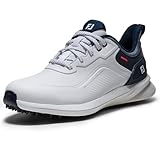
The best golf shoes for walking 18 holes are cushioned spikeless models like the Skechers GO GOLF Elite 5 and Ecco Biom H4 for maximum comfort, and spiked models like the FootJoy Pro/SLX and Adidas Tour360 24 for superior grip in wet conditions, with waterproof leather or GORE-TEX uppers being essential if you play morning or winter golf.
As an Amazon Associate we earn from qualifying purchases at no extra cost to you.



How to Choose Golf Shoes for Walking 18 Holes
Comfort over 4-5 hours comes down to four factors: cushioning, traction type, weight, and waterproofing. If you walk most rounds, prioritize these in order. Carts reduce the importance of weight and cushioning, while hilly or wet courses make traction and waterproofing non-negotiable.
1. Insole Cushioning and Support
Look for dual-density midsoles (EVA + TPU or OrthoLite + StratoFoam) rather than a single foam layer. A removable insole is critical for custom orthotics or replacing worn cushioning after a season. Arch support matters more than softness – overly soft shoes without structure cause foot fatigue by hole 14-15.
- Best for flat feet / high arches: FootJoy Pro/SLX and Ecco Biom series offer structured midsoles with contoured footbeds.
- Best for sensitive joints: Skechers GO GOLF and New Balance Fresh Foam models use ultra-cushioned, low-drop midsoles that reduce pressure on knees and heels.
- Break-in time to consider: Full-grain leather spiked shoes need 2-3 rounds to soften. Knit or mesh spikeless shoes are typically comfortable out of the box.
2. Spike vs Spikeless Traction
This is the biggest performance tradeoff:
- Spiked (Soft spikes / Tour spikes): 7-9 replaceable TPU spikes provide lateral grip during the swing and stability on wet fairways and slopes. Essential for competitive players, fast swing speeds, and wet climates. Slightly heavier and less comfortable for off-course wear. Spikes need replacement every 15-20 rounds.
- Spikeless (Rubber lugs): Low-profile rubber traction patterns grip like a sneaker. More comfortable for walking, lighter, and versatile for the driving range or clubhouse. Grip is sufficient for dry conditions but can slip on damp, early-morning turf or steep lies.
- Hybrid / Tour Spikeless: Models like the Adidas Codechaos and Puma Phantomcat use aggressive secondary lugs that approach spiked grip while staying spikeless.
3. Waterproofing That Actually Lasts
Terms to know: “Water-resistant” will soak through in wet rough. Look for “Waterproof” with a 1-2 year warranty. The two proven systems are full-grain waterproof leather with sealed seams (FootJoy) and GORE-TEX membranes (Ecco, Adidas). Knit spikeless shoes with water-repellent coatings are breathable for summer but fail in sustained rain.
If you play year-round or early mornings with dew, a waterproof spiked or GORE-TEX spikeless shoe is worth the premium. For dry, warm climates, breathable mesh spikeless offers better ventilation and dries faster.
Best Golf Shoes Compared: Specs for Walking Comfort
Weight, break-in, and waterproofing determine how a shoe feels on hole 18, not just hole 1. The table below compares leading 2026 models in men’s size 9 / 10, which are the reference sizes most brands publish.
| Model | Type | Weight (per shoe) | Waterproofing | Break-In Time | Width Options |
|---|---|---|---|---|---|
| FootJoy Pro/SLX | Spiked (Pulsar Softspikes) | ~405g / 14.3 oz | Full-grain waterproof leather, 1-year warranty | 2-3 rounds | M, W, XW |
| Ecco Biom H4 | Spikeless (GORE-TEX option) | ~340g / 12.0 oz | GORE-TEX membrane + leather, 1-year warranty | 0-1 round | M, W |
| Adidas Tour360 24 | Spiked (Thintech) | ~395g / 13.9 oz | Waterproof microfiber leather, 1-year warranty | 1-2 rounds | M, W |
| Skechers GO GOLF Elite 5 | Spikeless | ~295g / 10.4 oz | Water-resistant athletic mesh (not full waterproof) | None | M, W, XW |
| Nike Air Zoom Victory Tour 3 | Spiked (Integrated traction) | ~365g / 12.9 oz | Waterproof leather + textile, 1-year warranty | 1 round | M, W |
| Puma Phantomcat Nitro | Spikeless (Hybrid lugs) | ~310g / 10.9 oz | Waterproof knit + membrane | None | M |
For walking, every 50g per shoe adds noticeable fatigue. A 300g spikeless shoe saves approximately 1.2kg of lifted weight per mile compared to a 400g spiked shoe, which compounds over a 5-mile, 18-hole walk.
Pick the Right Shoe for Your Situation
Use this decision matrix to match your playing habits to the right category, rather than just choosing the most popular model.
| If You… | Choose This Type | Best Fit Models | Why |
|---|---|---|---|
| Walk 18 holes weekly, value all-day comfort | Lightweight spikeless with max cushioning | Skechers GO GOLF Elite 5, Ecco Biom H4 | Lightest weight, no break-in, best insole cushioning for pavement and turf |
| Play in wet, dew-heavy or winter conditions | Waterproof spiked or GORE-TEX spikeless | FootJoy Pro/SLX, Ecco Biom H4 GORE-TEX, Adidas Tour360 24 | Sealed waterproofing and spiked traction prevent slips and wet feet |
| Want one shoe for practice, walking, and casual wear | Hybrid spikeless | Puma Phantomcat Nitro, Adidas Codechaos | Sneaker-like comfort and style with aggressive enough lugs for dry courses |
| Have narrow/wide feet or need orthotics | Structured spiked with multiple widths | FootJoy Pro/SLX, New Balance Fresh Foam Contender | Available in M/W/XW and removable midsoles for custom support |
| Compete, have a fast swing, or play hilly courses | Tour-level spiked | FootJoy Pro/SLX, Nike Air Zoom Victory Tour 3 | Maximum lateral stability and replaceable spikes for consistent grip |
Weight and Cost-Per-Round Calculation
Golf shoes typically last 40-60 walking rounds before midsoles compress and waterproofing fails, or 80-100 rounds if you rotate two pairs. Use this quick calculation to estimate value:
Cost Per Round = Purchase Price / Expected Rounds
For example, a premium waterproof shoe in the $180-$250 range that lasts 50 walking rounds costs $3.60-$5.00 per round. A budget spikeless model in the $100-$130 range that lasts 35 rounds before cushioning flattens costs $2.85-$3.70 per round but may require earlier replacement if waterproofing is limited. Rotating two pairs extends foam life by allowing 24 hours for the midsole to decompress between rounds, often adding 15-20% more total rounds from both pairs.
For sizing, always try shoes in the afternoon when feet are slightly swollen. There should be a thumb’s width (about 10-12mm) between your longest toe and the front, and your heel should not lift when walking uphill. Many walkers go half a size up from their sneaker size to accommodate foot swelling over 18 holes.
Durability and Ownership Realities
Knowing what wears first helps you maintain shoes and avoid common mistakes:
- Midsoles compress before outsoles wear out. If your feet ache after 12 holes when they didn’t before, the cushioning is spent even if traction looks fine.
- Waterproofing fails at flex creases. Clean shoes after each round with a soft brush and lukewarm water, never machine wash or direct heat dry. Reapply leather protector or water-repellent spray every 8-10 rounds for non-GORE-TEX models.
- Spikes wear unevenly. Check the two spikes under the ball of the foot monthly. Replace all spikes at once for even grip, and keep the threads clean of debris.
- Insoles and laces are consumables. Replace insoles once a season if you walk frequently. Swap laces for waterproof or waxed versions to keep the tongue sealed in wet conditions.
- Common mistake: Wearing spiked shoes on cart paths and parking lots grinds down soft spikes 3x faster. Wear spikeless or carry spiked shoes to the first tee.
- Storage: Use cedar shoe trees after wet rounds to absorb moisture and maintain shape. Never store in a hot car trunk, which warps midsoles and delaminates membranes.
Frequently Asked Questions
Are spikeless golf shoes good for walking 18 holes?
Yes, spikeless shoes are often more comfortable for walking due to lighter weight and more flexible cushioning. They are ideal for dry courses and golfers who prioritize comfort. For wet grass or steep terrain, spiked shoes provide measurably better traction.
Do I need waterproof golf shoes?
If you play before 9 a.m., in the fall/winter, or in any region with regular rain, waterproof shoes are essential. Wet socks increase blister risk and cause fatigue. For summer-only play in dry climates, breathable water-resistant mesh is cooler and sufficient.
Should golf shoes be tight or loose?
Snug in the midfoot and heel with no slip, with 10-12mm of space in the toe box. Feet swell during a long walk, so a shoe that feels perfect for the first 3 holes can become tight by hole 15 if sized too small. Consider wide (W) sizing if you feel pressure on the pinky toe side.
How long does it take to break in golf shoes?
Knit and mesh spikeless models generally require no break-in. Leather spiked models require 1-3 short walks or practice sessions before walking a full 18. Wear them for 9 holes or a range session first to identify pressure points.