
Key takeaways
- Fasten the chin strap so that only one or two fingers fit under it.
- The helmet should sit low on the forehead, about one finger above the eyebrows.
- Replace the helmet after a hard impact, and follow the maker’s guidance on replacement age.
- Clean with mild soap and water, and avoid harsh solvents that may damage materials.
- Do not attach unapproved accessories or stickers that could alter the helmet structure.
- Store away from heat and direct sunlight.
- For kids, choose a helmet sized for them and not one to grow into.
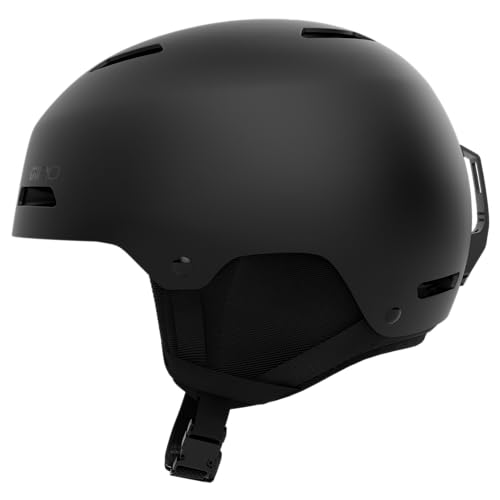
The best snowboard helmet is one that fits your head shape snugly, carries a recognized safety certification, and has the features you will actually use, so a Smith Vantage or Giro Ledge-type helmet suits most riders, a MIPS-equipped model suits riders who want added rotational protection, and a lower-cost Anon or Bolle style helmet suits casual weekenders. No helmet prevents all injuries, so fit and correct use matter most.
Our top picks


As an Amazon Associate we earn from qualifying purchases at no extra cost to you.
At a Glance: Popular Snowboard Helmets
| Brand / line | Best for | Maker-described features | Limits |
|---|---|---|---|
| Smith Vantage / Level | All-mountain riders wanting ventilation | Maker describes Koroyd or similar impact material on some models, adjustable vents, and MIPS options | Premium tier on top versions |
| Giro Ledge / Range / Jackson | Value and everyday use | Maker lists in-mold or hybrid shell construction, adjustable fit systems, and MIPS on some models | Fit varies by head shape |
| Anon Rodan / Echo | Riders who like a snug, low-profile look | Maker describes MIPS or integrated goggle compatibility on selected models | Fewer vent controls on cheaper versions |
| POC Fornix / Obex | Riders who value design and protection | Maker describes multi-layer protection and options with MIPS-like technology | Higher cost, rounder fit |
| Sweet Protection Trooper | Freeride and steep terrain | Maker lists a hard-shell design and certification information | Heavier, premium tier |
| Oakley MOD5 / MOD3 | Riders who want goggle integration | Maker describes helmet and goggle fit systems | Needs matching goggle shape |
| Bolle and other value brands | Budget buyers | Makers list basic ventilation and standard certification | Fewer fit adjustments |
Lines change from season to season, so if a particular year is no longer sold, a previous-generation version is typically close in design.
What to Look for in a Snowboard Helmet
Certification and standards
Look for a label showing compliance with a recognized snow-sports helmet standard, such as ASTM F2040 in North America or CE EN 1077 in Europe. Makers list which standards their helmets meet. Certification indicates the helmet has passed laboratory impact tests, and it does not mean the rider cannot be injured. Replace a helmet after a significant impact, even if it looks fine.
Fit and sizing
A helmet should sit level on the head, feel snug without pressure points, and not shift when you shake your head. Measure head circumference with a soft tape above the eyebrows and compare it with the maker’s size chart. Many models include a dial system for micro-adjustments. Try on with a beanie liner or the goggles you will wear if possible.
Rotational impact systems
MIPS and similar systems add a slip layer designed to reduce rotational forces on the head during angled impacts, according to the makers. They add cost and a little bulk. Reviewers often point out that these systems are a good option if budget allows, though a well-fitted standard helmet is still a major step up from nothing.
Ventilation
Adjustable vents allow you to dump heat on warm days. Fixed vents are simpler but offer less control. If you sweat easily or ride spring slush, adjustable vents are valuable.
Goggle compatibility
A gap between the goggle and helmet can be uncomfortable and chilly. Many helmets are designed to pair with the maker’s goggles or have goggle clips to hold the strap. Bring or wear your goggles when trying on helmets.
Audio and extras
Some helmets support removable audio pads, and some include liners that can be washed. Never rely on audio features in crowded areas, and stay aware of other riders and skiers.
Weight and shell construction
In-mold helmets bond the shell to the liner for lighter weight, while hard-shell helmets use a more rigid shell for durability. Hybrid designs blend both. A lighter helmet is less fatiguing during long days.
Budget Tiers
| Tier | What you typically get | Trade-off |
|---|---|---|
| Budget | Certified helmet with basic vents and fit dial | Fewer fit options and features |
| Mid-range | Adjustable vents, MIPS on many models, goggle clips, removable liner | May be heavier than premium |
| Premium | Advanced materials, refined fit systems, lighter weight, audio compatibility | Higher cost, small year-to-year gains |
Picks by Rider Type
Best overall for most riders: Smith and Giro mid-range models
Smith and Giro are two of the best-known helmet brands. Their mid-range lines combine adjustable vents, goggle compatibility, and MIPS options, according to the makers. Reviewers frequently point to these as strong all-rounders.
Best for low-profile fit: Anon
Anon helmets tend to have a streamlined look and are favored by riders who prefer a snug, modern style. They are frequently paired with Anon goggles, which is convenient if you like a matched system.
Best for freeride and steep terrain: Sweet Protection and POC
These brands emphasize protection and durable construction. They suit riders who tackle big mountains and variable conditions, though the added weight and cost may not suit casual riders.
Best for goggle integration: Oakley
Oakley’s helmet and goggle systems are designed to fit together. This is useful if you want to avoid the gap that sometimes appears between helmet and goggle.
Best on a budget: value-line certified helmets
Brands such as Bolle offer simple certified helmets that cover the essentials. They are a good entry point for new riders or kids who will outgrow gear quickly.
Pick X If… Decision Table
| Pick this if you… | Choose |
|---|---|
| Want maximum protection features | MIPS or similar system, certified, snug fit |
| Ride in warm spring conditions | Adjustable vents |
| Ride in extreme cold | Fewer vents, warm liner |
| Wear glasses with goggles | Helmet with a generous goggle opening |
| Are on a tight budget | Certified entry-level helmet |
| Like a low-profile look | Streamlined in-mold design |
Fit, Safety, and Care Notes
- Fasten the chin strap so that only one or two fingers fit under it.
- The helmet should sit low on the forehead, about one finger above the eyebrows.
- Replace the helmet after a hard impact, and follow the maker’s guidance on replacement age.
- Clean with mild soap and water, and avoid harsh solvents that may damage materials.
- Do not attach unapproved accessories or stickers that could alter the helmet structure.
- Store away from heat and direct sunlight.
- For kids, choose a helmet sized for them and not one to grow into.
Alternatives
- Multi-sport helmets: some are certified for both bike and snow, which can be a budget option though less specialized.
- Visor-integrated helmets: combine a visor and helmet for a streamlined look; consider fogging and fit.
- Spine-protection add-ons: not a replacement for a helmet, but some riders add them for terrain parks.
- Rental helmets: a short-term option when traveling, but fit and hygiene vary.
Sizing Walkthrough and Common Fit Problems
Measure the widest part of your head just above the eyebrows and ears, using a flexible tape. Compare this number to the maker’s chart, since sizes differ between brands. If you fall between sizes, try the smaller one with the dial loosened, then tighten. Shape matters too: some brands run rounder, others more oval, so a helmet that feels wrong in one brand may suit you in another.
Typical fit problems include a front edge that sits too high and exposes the forehead, a rear edge that pushes into the neck when you look up, pressure points above the ears, and a helmet that rocks forward when you shake your head. Each is a sign to try a different size or model rather than to adjust straps harder. Make sure the ear pads do not press on the jaw when you chew or talk, and that your goggle strap rests comfortably on the back of the helmet without sliding.
Children and teens
Children grow quickly, but a helmet should never be bought large to grow into. Many youth models include adjustable dials with a limited range, so replace the helmet as soon as the fit runs out. Teach children to buckle the strap on their own and to avoid wearing a hood or thick hat under the helmet.
Hats and hoods
A thin beanie liner can improve warmth, but thick hats change fit and can raise the helmet away from the head. Most makers advise wearing nothing thicker than a thin liner under a helmet.
Frequently Asked Questions
How should a snowboard helmet fit?
It should feel snug all around, sit level, and not move when you shake your head. The chin strap should be secure without choking. If it presses on one spot, try a different size or model.
Is MIPS worth it?
MIPS and similar systems are designed to reduce rotational forces during angled impacts, according to the makers. They typically add some cost. Many riders consider them a worthwhile addition, though fit and certification remain the most important factors.
How often should I replace my helmet?
Replace it after any significant impact, even if no damage is visible. Many makers also recommend replacement after several years of use. Follow the guidance printed in your helmet’s manual.
Can I use a bike helmet for snowboarding?
Bike helmets are not designed for the same impacts and cold conditions as snow helmets. Use a helmet certified for snow sports. Multi-sport helmets with both certifications are an exception.
Do helmets and goggles need to match?
They do not need to match brands, but they should fit together without a large gap. Try them together if you can. A good fit improves comfort and reduces cold spots.
How do I clean a snowboard helmet?
Remove the liner if the maker allows, and wash it according to the label. Wipe the shell with mild soap and water. Avoid solvents and let everything dry fully before use.





