
Key takeaways
- Budget tier: simple laces, soft flex, basic liner. Fine for first-time riders and occasional trips. Expect less support and faster liner pack-out.
- Mid-range tier: Boa or quick-pull systems, medium flex and better liners. Most riders will find a good boot at this level.
- Premium tier: dual-zone lacing, heat-mouldable liners, lighter materials and stiffer options for hard riding.
The best snowboard boot is the one that fits your foot closely and matches your riding style: soft-flex boots from brands like Burton (Moto or Ion for different levels), ThirtyTwo (Lashed) or Salomon suit beginners and park riders, medium-flex boots such as the Burton Photon or ThirtyTwo TM-Two suit all-mountain riders, and stiffer models suit aggressive freeriders who ride fast and steep. Fit comes before features; a boot that is too big lets your heel lift, and one that is too small causes pressure and cold feet. This guide compares lacing systems, flex ratings and typical picks by rider type. Boot lines update each season, so use the names below as families and read the current maker sheet.
Our top picks
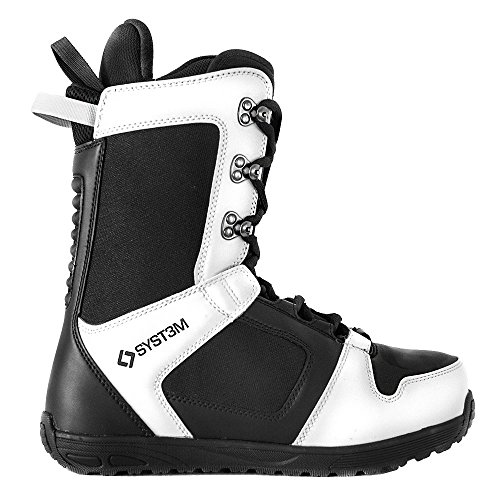
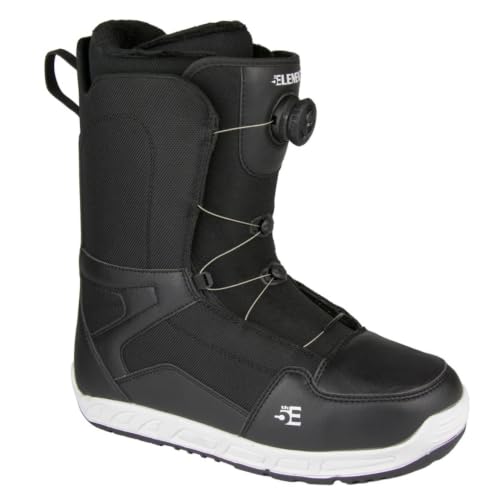
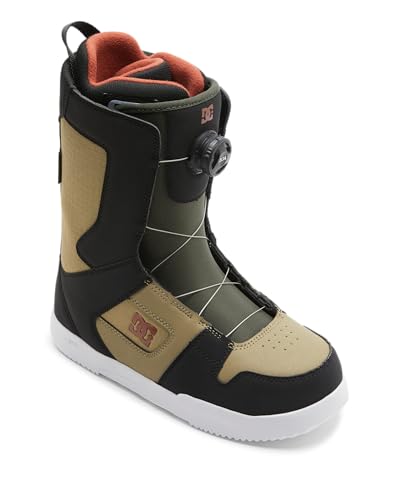

As an Amazon Associate we earn from qualifying purchases at no extra cost to you.
At a Glance
| Boot family | Best for | Stated traits | Limits |
|---|---|---|---|
| Burton Moto / Photon / Ion | Beginners to advanced all-mountain riders | Range of flex from soft to stiff, Boa or speed-zone lacing, liner heat-mouldable on some | Narrower fit for some feet; check width options |
| ThirtyTwo Lashed / TM-Two | Park riders and all-mountain | Soft to medium flex, Boa or traditional lacing, supportive cuffs | Premium versions are higher tier |
| K2 Maysis / Thraxis | Value-minded all-mountain riders | Medium flex, Boa options, foot-hugging liners | Some versions run narrow |
| Salomon Launch / Dialogue / Echo | Riders wanting comfort and fit | Dual-zone Boa options, medium flex | Check size runs; some lines run roomy |
| DC Judge / Control / Phase | Park and freestyle | Soft to medium flex, lace or Boa | Sizing and widths vary |
| Nitro and Vans entry boots | Budget and casual riders | Soft flex, simple lacing, comfortable liner | Less support for aggressive riding |
Fit First: How a Snowboard Boot Should Feel
Your toes should lightly brush the end of the boot when you stand upright, then pull away slightly when you flex your knees. Your heel should stay locked in place when you lean forward, with no lift. A new boot feels snug at first and liners pack out by about a size over the first days on snow, so pick a size that feels firm but not painful. If you have wide feet or a high instep, look for models with wide sizes or generous last shapes, and try boots in a shop with the socks you ride in. Match boot length to the binding size and board width so your toes do not drag in the snow.
Features That Matter
Flex
Makers rate flex on a scale where a lower number means softer. Soft boots are forgiving and playful, good for beginners and park riders. Medium flex gives a balance of support and comfort for most all-mountain riding. Stiff boots offer quick response at speed and in steep or rough terrain but are less comfortable for casual days.
Lacing systems
Traditional laces are cheap and fully adjustable but take time and can loosen. Quick-pull systems use a handle that tightens the boot in a few seconds. Boa dials allow micro-adjustment and are popular for easy on and off with gloves. Dual-zone systems tighten the lower and upper boot separately, which helps people who want a snug ankle and looser calf. The maker lists the system for each model, and replacement parts are typically available.
Liner
Liners range from basic foam to heat-mouldable designs that conform to your foot. Moulding can improve fit and reduce pressure points, but follow the maker instructions or have a shop do it. Look for a liner with a secure heel pocket and moisture-wicking lining.
Outsole and cushioning
A grippy outsole helps walking on icy paths, and cushioned midsoles absorb landings. Park riders often value extra cushioning, while freeriders may prefer a thinner sole for board feel.
Warmth and waterproofing
Boots use insulated liners and weather-resistant shells. Warmth depends on fit, socks and circulation. Tight boots can cut circulation and make feet cold, so do not over-tighten.
Budget Tiers
- Budget tier: simple laces, soft flex, basic liner. Fine for first-time riders and occasional trips. Expect less support and faster liner pack-out.
- Mid-range tier: Boa or quick-pull systems, medium flex and better liners. Most riders will find a good boot at this level.
- Premium tier: dual-zone lacing, heat-mouldable liners, lighter materials and stiffer options for hard riding.
Pick X If… Decision Table
| If you… | Pick |
|---|---|
| Are a beginner wanting comfort | Soft-flex Burton Moto, ThirtyTwo Lashed or Nitro boot |
| Ride all-mountain regularly | Medium-flex Burton Photon, ThirtyTwo TM-Two or K2 Maysis |
| Ride the park | DC Judge or ThirtyTwo Lashed with extra cushioning |
| Want fast on and off with gloves | Boa or quick-pull lacing model |
| Have wide feet | Wide-size or roomy-fit models such as certain Salomon lines |
| Ride aggressively in steeps | Stiffer freeride boot with a supportive cuff |
Binding and Board Compatibility
Match the boot to the binding size range listed by the binding maker. Large boots on a narrow board can cause toe or heel drag, which makes turns harder and can cause falls. Check board waist width against boot size. Most modern bindings suit most boots, but unusually bulky models may need larger bindings. Review the binding strap shape and check that the ankle strap sits well over the boot.
Care Notes
Dry liners after each day. Remove them from the shell and let both air dry away from direct heat, since heaters can damage materials. Replace insoles when they flatten, and keep laces and Boa cables free of ice. Store boots loosely laced in a dry place. Inspect cables and replace worn parts according to the maker. If you have persistent pain, numbness or cold toes, see a boot fitter or a clinician instead of tightening the boot further.
Alternatives
- Rental boots: a sensible option for a first trip before committing.
- Custom insoles: improve arch support and fit in an existing boot.
- Step-on systems: a boot and binding system that allows hands-free entry, available from some makers; compatibility is limited to matching gear.
- Used boots: inexpensive, but liners may be packed out, so inspect them closely.
Sizing, Socks and Trying Boots On
Shop for boots in the afternoon when feet are a little larger, and wear the socks you plan to use on the mountain. Thin to medium snowboard socks are better than thick ones, since extra padding can bunch and reduce circulation. Stand, flex your knees and kick the heel of the boot into the floor to see whether the heel stays down. Walk around the shop for several minutes. Hot spots, pressure on the outside of the foot or numb toes are signs that the shape is wrong, not that the boot needs breaking in. If you are between sizes, consider the lacing system and liner: boots with dual-zone lacing let you fine-tune volume, while a heat-mouldable liner can relieve small pressure points.
Riders with narrow feet should look for a smaller last or a boot with an internal wrap system, and riders with wide feet should look for models that list wide fit options. If a shop offers a boot-fitting service with custom insoles, it can improve comfort. Avoid buying a boot online unless the seller has a straightforward return policy, because fit is difficult to judge without trying them.
Breaking in and day-one comfort
Wear new boots around the house for short periods before the first trip, and loosen the cuff while walking between lifts so your calves stay comfortable. Tighten the lower zone for heel hold and the upper zone for support. If your foot goes numb on the chairlift, loosen the boot a little while sitting, then retighten before you ride. Persistent numbness or pain is a reason to see a boot fitter or a doctor.
Frequently Asked Questions
How should snowboard boots fit?
They should be snug with your heel held down and your toes just touching the front. They will pack out a little with use, so a slightly firm fit in the shop is normal.
Are Boa boots better than laces?
They are faster and easier to adjust, especially with gloves. Traditional laces are cheaper and fully adjustable, so the right choice depends on convenience and budget.
What flex should a beginner choose?
A soft to medium flex is usually easier to ride and more comfortable. Stiffer boots suit advanced riders who need more response.
Can I size down for a snug fit?
Slightly, if the boot is comfortable and does not pinch. Boots that are too small can cause pain and poor circulation. Try them with your riding socks and walk around.
How long do snowboard boots last?
That depends on use. Liners compress over time, and shells and lacing can wear. Many riders replace them after several seasons or when the fit loosens.
Do I need heat-mouldable liners?
They are optional, but they can improve fit for unusual foot shapes. If you choose them, follow the maker instructions or ask a shop to mould them.





