
Key takeaways
- Budget: single cylindrical lens, simple foam and strap. Fine for casual days, with limited lens options.
- Mid-range: swappable lenses, better foam and anti-fog, often a spare lens.
- Premium: spherical or toric lenses, magnetic swap, advanced tints, and photochromic options.
The best snowboarding goggles for most riders are a mid-range to premium model with a large spherical or cylindrical lens, good anti-fog venting and either a swappable lens system or a photochromic lens, such as the Smith I/O MAG, the Oakley Flight Deck, the Anon M4 or the Giro Axis. Budget riders can pick a simpler single-lens goggle, and riders with small faces or glasses should focus on fit and helmet compatibility before lens technology.
Our top picks


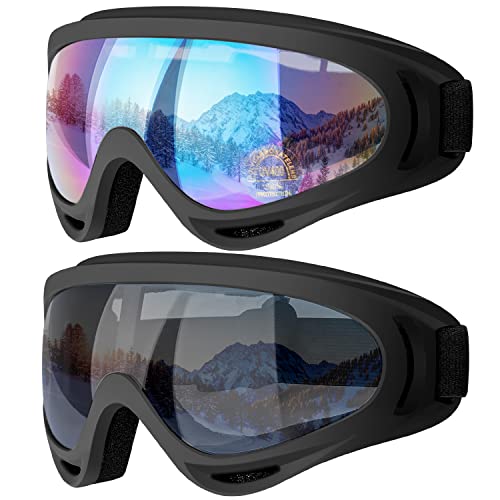
As an Amazon Associate we earn from qualifying purchases at no extra cost to you.
Snowboarding Goggles at a Glance
| Model | Best for | Key stated features | Limits |
|---|---|---|---|
| Smith I/O MAG | Riders who want a quick lens swap and wide view | Magnetic-style lens change system with spherical lens and wide field of view, per the maker | Premium tier; spare lenses cost extra |
| Oakley Flight Deck | Riders who want maximum peripheral view | Large frameless-style lens with Prizm contrast technology options, per the maker | Large; may not fit small faces |
| Anon M4 / M-series | Riders who want magnetic lenses with a toric shape | Magnetic lens change, toric lens, MFI face-mask attachment on some versions per the maker | Premium tier |
| Giro Axis and similar | Mid-range riders wanting a quality lens and easy swaps | Lens-swapping design with Vivid lens options, per the maker | Fewer lens choices than larger brands |
| Smith Squad and similar | Value-focused riders who want a reliable all-round goggle | Cylindrical lens, dual-layer anti-fog treatment as stated by the maker | Less peripheral view than spherical models |
| Dragon X2s / NFX2 | Smaller faces or riders who want style | Frameless or medium-fit options with swappable lenses, per the maker | Check helmet fit |
| Budget goggles (Oakley Line Miner S, similar) | Occasional riders or younger riders | Single lens, basic anti-fog | Fewer lens options and less comfortable foam in some models |
What Matters in a Snowboarding Goggle
Lens shape
Cylindrical lenses curve horizontally and are flat vertically; they are typically lower in cost. Spherical lenses curve both ways, which gives a wider view and less distortion, but they cost more and have a bulkier look. Toric lenses sit between the two. Reviewers generally call spherical lenses an upgrade for peripheral vision, but cylindrical lenses still work well for many riders.
Lens tint and visible light transmission
Visible light transmission (VLT) describes how much light passes through the lens. Low VLT lenses (dark tints) suit bright, sunny days. High VLT lenses (yellow, rose or clear) help in flat light, snow and evening sessions. Because conditions change, many riders prefer a goggle with an easy lens swap or a photochromic lens that adjusts to light. Each maker names its tint families differently, such as Oakley Prizm or Smith ChromaPop, and each claims better contrast; compare the maker’s chart for VLT and conditions.
Lens swapping system
Magnetic or lever systems let you change lenses in seconds on the hill. Smith’s I/O MAG and Anon’s M-series are widely cited examples. A swap system adds cost, but a second lens covers more conditions than one lens.
Anti-fog and ventilation
Fogging is a common complaint. Look for anti-fog coatings on the inside of the lens, dual-layer lenses and vents in the frame. Even the best goggles can fog if you sweat heavily, pull them onto your forehead or wear a neck gaiter that directs breath upward. Many makers advise not wiping the inside of the lens.
Fit and helmet compatibility
Fit is the factor most reviewers emphasize. Goggles come in small, medium and large sizes, and some brands offer low-bridge or Asian-fit options. The goggle should sit flush against the face without gaps, and there should be no gap between helmet brim and goggle top. Try goggles on with your helmet if you can. Many helmet makers pair with specific goggle lines, but most modern brands are compatible with one another.
Over-the-glasses (OTG) and prescription
If you wear eyeglasses, look for an OTG goggle, which has extra interior room and relief cutouts for temples. Some makers sell prescription inserts. Speak with an eye care professional for advice on vision correction and eye protection.
Top Picks by Need
Smith I/O MAG: best for easy lens swapping
The I/O MAG combines a large spherical-style lens with a quick magnetic-assisted lens swap. Reviewers often name it among the top goggles for versatility, and Smith pairs it with its ChromaPop contrast lenses. It is aimed at riders who ride in changing light and want to switch lenses without tools. It sits in the premium tier, and extra lenses add cost.
Oakley Flight Deck: best for peripheral view
The Flight Deck has a large, frameless-looking lens designed for a broad field of view, with Prizm lens options that Oakley says increase contrast. It is a popular choice for riders who want maximum visibility and a bold look. Because it is large, riders with small faces may prefer a smaller variant from Oakley’s range.
Anon M4: best for magnetic lenses and face mask compatibility
Anon’s M-series uses magnetic lens attachment and toric lenses. Some versions include the maker’s MFI system, which clips a compatible face mask to the goggle to reduce gaps and fogging. This design suits cold-weather riders who wear face masks.
Giro Axis: best mid-range lens system
The Axis offers swappable lenses and Giro’s Vivid lens tint in a package that reviewers generally describe as good value for a swappable-lens goggle. It is a sensible step up from a basic single-lens goggle.
Smith Squad: best all-round value
The Squad is a cylindrical-lens goggle with proven performance and straightforward features. It suits riders who want dependable goggles without paying for a magnetic swap system.
Dragon X2s and NFX2: best for smaller faces and style
Dragon offers frameless and medium-fit options with swappable lenses. They are often recommended for riders who find larger goggles too big.
Budget: single-lens goggles
Entry-level goggles from Oakley, Smith, Anon and other makers provide UV protection and basic anti-fog. They are suitable for occasional use, for kids and for riders who do not need frequent lens changes.
Budget Tiers
- Budget: single cylindrical lens, simple foam and strap. Fine for casual days, with limited lens options.
- Mid-range: swappable lenses, better foam and anti-fog, often a spare lens.
- Premium: spherical or toric lenses, magnetic swap, advanced tints, and photochromic options.
Care and Safety Notes
- Choose goggles that state UV protection, and wear them in all conditions including cloudy days, when snow reflection is strong.
- Store goggles in the supplied bag; the lens is easily scratched.
- Dry goggles at room temperature after use, away from direct heat.
- Do not wipe the inside of the lens; shake off moisture and let it air dry.
- Replace goggles that are cracked or have damaged foam, and replace helmets after significant impacts, as the maker states.
- Take breaks if your vision is affected by glare or fatigue.
Pick X If… Decision Table
| Pick this | If you… |
|---|---|
| Smith I/O MAG | ride in changing conditions and want fast lens swaps |
| Oakley Flight Deck | want a wide view and have an average to large face |
| Anon M4 | use a face mask or want magnetic lenses |
| Giro Axis | want swappable lenses at a mid-range cost |
| Smith Squad | want proven value without a swap system |
| Dragon X2s or NFX2 | have a smaller face or want a distinct style |
| Basic single-lens goggle | ride occasionally on a tight budget |
Alternatives to Consider
- Photochromic goggles: adjust tint automatically, a good choice if you want a single lens for most conditions.
- Helmet-integrated visors: some helmets offer a visor rather than goggles; they appeal to riders who prefer a different style.
- Last season’s models: previous-generation goggles often keep the same core design for less money.
Sizing Across Brands
Most brands sell goggles in at least two frame sizes, and the same brand may label them differently, so compare the maker’s face-size guidance rather than relying on a name alone. Riders with narrow or small faces often find large-frame goggles leave gaps at the cheeks, which lets in cold air and encourages fogging.
Frequently Asked Questions
What lens color is best for snowboarding?
It depends on the light. Darker tints with low VLT suit bright sun, while yellow, rose and clear lenses help in flat light and overcast conditions. A goggle with swappable or photochromic lenses covers a wider range.
Are spherical lenses worth it?
Many reviewers say spherical lenses give a wider view and less distortion, which is useful in the trees or on busy slopes. They cost more, and cylindrical lenses still work well for riders on a budget.
How do I stop goggles from fogging?
Choose goggles with anti-fog coating and good ventilation, avoid wiping the inside of the lens, and keep them on your face rather than pushing them up on your forehead. Direct your breath away from the goggles when wearing a neck gaiter.
How do I know if goggles fit my helmet?
The goggle top should sit snugly under the helmet brim with no visible gap, and the strap should sit on the outside of the helmet. Trying goggles with your helmet is the most reliable test.
Can I wear goggles over glasses?
Yes, with an OTG goggle that has extra interior space. Some riders prefer prescription inserts. An eye care professional can advise on the best option for your vision.
How long do snowboarding goggles last?
With care, goggles can last many seasons. Replace them if the lens is deeply scratched, the foam breaks down, or the anti-fog coating stops working.





