
Key takeaways
- Axle type: check whether your bike uses quick release, 12×142 or 12×148 thru-axle. Most direct-drive trainers include or sell adapters.
- Cassette body: Shimano/SRAM HG and other freehub standards differ. Many trainers ship with an 11-speed cassette; some drivetrains need a different body or cassette.
- Rider weight: follow the maker’s stated limit. The KICKR CORE 2 lists 250 lb (113 kg).
- Connectivity: choose a trainer that supports the protocols your devices use, such as Bluetooth and ANT+ FE-C.
- Bike frame: carbon frames work on most direct-drive trainers; follow your bike maker’s guidance for clamping and trainer use.
The best indoor bike trainer for most riders is a direct-drive smart trainer such as the Wahoo KICKR CORE 2 or the Zwift Hub, while riders chasing the quietest and most accurate setup should look at premium direct-drive models like the Wahoo KICKR or the Garmin Tacx Neo line, and budget buyers can start with a wheel-on smart trainer or a basic fluid trainer. Which one fits depends on your bike’s drivetrain, how much noise you can tolerate and whether you want automatic resistance control from apps like Zwift.
Our top picks

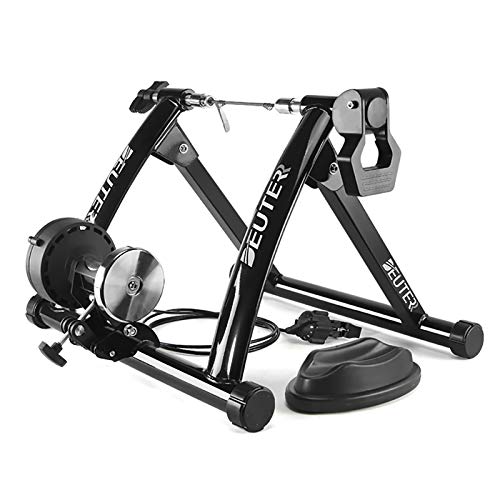

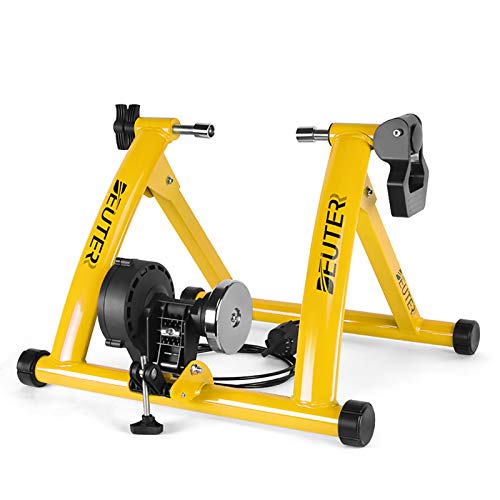
As an Amazon Associate we earn from qualifying purchases at no extra cost to you.
Indoor Bike Trainers at a Glance
| Model or type | Best for | Key stated specs | Limits |
|---|---|---|---|
| Wahoo KICKR CORE 2 | Most riders who want a quality direct-drive smart trainer | Maker lists 1800 W max power, plus or minus 2% accuracy, 16% max simulated grade, 250 lb (113 kg) rider limit, WiFi, Bluetooth, ANT+ FE-C | Stock cassette not compatible with Shimano CUES or LinkGlide drivetrains |
| Wahoo KICKR | Riders who want a higher-end Wahoo with more power and grade range | Direct-drive smart trainer positioned above the CORE line in Wahoo’s range | Premium tier |
| Zwift Hub | Zwift users who want a simple, integrated package | Direct-drive smart trainer sold by Zwift with a cog and click shifting option as listed by the maker | Designed around Zwift, though open standards are supported per the maker |
| Garmin Tacx Neo series | Premium quiet ride feel and road-surface simulation | Direct-drive, no belt; maker highlights quiet operation and strong power range | Top cost tier |
| Saris H3 / M2 and similar | Riders who want a well-known alternative to Wahoo | Saris offers direct-drive and wheel-on smart models | Compare cassette and axle support |
| Fluid or magnetic wheel-on trainers (Kurt Kinetic, CycleOps classic types) | Entry-level, no apps required | Rear wheel contacts a roller; resistance via fluid or magnet | Tire wear, noisier, limited accuracy |
| Rollers | Skill work and warm-ups | Free-standing drums your bike rides on | Balance required; not for beginners |
Direct-Drive vs Wheel-On vs Rollers
Direct-drive
With a direct-drive trainer you remove the rear wheel and mount the frame onto the trainer, which has its own cassette. This design avoids tire slip and wear, and reviewers generally describe it as quieter and more accurate than wheel-on designs. It also generally costs more, and you must match the cassette body and axle standard to your bike.
Wheel-on
Wheel-on trainers clamp the bike with the rear wheel pressing on a roller. Setup is faster and prices are lower, but tire wear, noise and slippage are drawbacks, and most riders buy a dedicated trainer tire. Smart wheel-on trainers add app control, but accuracy tends to trail direct-drive models.
Rollers
Rollers let you ride a bike on free-spinning drums. They suit skill and pedaling smoothness training and warm-ups, but they require balance and are not a first choice for hard intervals or most beginners.
Top Picks by Need
Wahoo KICKR CORE 2: the all-round choice
The maker lists 1800 W maximum power, plus or minus 2% power accuracy, simulated grades from minus 10% to 16%, WiFi and Bluetooth connectivity with up to three connections, and ANT+ FE-C. The stock cassette is 11-speed (11-28), and Wahoo states compatibility with 8- to 13-speed drivetrains and 130/135 mm quick release, 12×142 and 12×148 thru-axle hubs. The rider weight limit is listed at 250 lb (113 kg). Wahoo states that the stock cassette is incompatible with Shimano CUES and LinkGlide drivetrains. Its listed weight is around 30 lb (13.6 kg), light enough to move between rooms. It suits riders who want a dependable smart trainer for structured training and virtual rides without paying for the top tier.
Zwift Hub: simple setup for Zwift riders
The Zwift Hub is the maker’s own direct-drive smart trainer, aimed at riders who want to plug in and start. Zwift lists an optional cog and click setup for shifting, and the trainer works with other apps through standard protocols, according to the maker. It is a sensible mid-range pick for new indoor riders, though riders who plan to use many different apps should confirm the exact features they need.
Wahoo KICKR: higher power range and refinement
The KICKR sits above the CORE line in Wahoo’s range and is aimed at riders who want a stronger feel, wider simulated grades or higher power limits. It is in the premium tier. If you do not push very high wattages or race often, the savings from a CORE-class trainer are usually more practical.
Garmin Tacx Neo series: premium quiet ride
The Tacx Neo line uses a direct-drive design without a belt, which the maker positions as especially quiet. Reviewers often name it among the best-feeling smart trainers, with a price to match. It suits riders who train in apartments, early mornings or shared spaces and want premium features.
Saris trainers: alternative ecosystem
Saris sells both direct-drive and wheel-on smart models. They are worth comparing if you prefer Saris software, support or dealer options. Check cassette body compatibility before buying.
Budget: wheel-on smart or basic fluid trainers
If you want to try indoor riding with minimal spending, a fluid or magnetic wheel-on trainer is enough. Some smart wheel-on models add Bluetooth control for app resistance. Expect more noise and tire wear, and plan to buy a trainer-specific tire to protect your regular tire.
Compatibility Notes
- Axle type: check whether your bike uses quick release, 12×142 or 12×148 thru-axle. Most direct-drive trainers include or sell adapters.
- Cassette body: Shimano/SRAM HG and other freehub standards differ. Many trainers ship with an 11-speed cassette; some drivetrains need a different body or cassette.
- Rider weight: follow the maker’s stated limit. The KICKR CORE 2 lists 250 lb (113 kg).
- Connectivity: choose a trainer that supports the protocols your devices use, such as Bluetooth and ANT+ FE-C.
- Bike frame: carbon frames work on most direct-drive trainers; follow your bike maker’s guidance for clamping and trainer use.
Budget Tiers
- Budget: fluid or magnetic wheel-on trainers, with or without basic Bluetooth control.
- Mid-range: direct-drive smart trainers such as KICKR CORE 2 and Zwift Hub.
- Premium: Wahoo KICKR, Tacx Neo and other top-tier models with higher power range, quieter drive and extra features.
Setup, Care and Safety
- Place the trainer on a firm, level surface, and consider a mat to protect floors and cut vibration.
- Use a fan; riding indoors generates a lot of heat and fans improve comfort.
- Wipe sweat from the bike and trainer after each ride, because sweat can corrode bolts and parts.
- Check that the bike is clamped firmly before every ride and follow the maker’s setup manual.
- Keep cables tidy and use a surge-protected outlet if the trainer needs power.
- If you have a heart or health concern, speak with a doctor before starting high-intensity indoor workouts.
Pick X If… Decision Table
| Pick this | If you… |
|---|---|
| Wahoo KICKR CORE 2 | want a balanced, widely compatible smart trainer |
| Zwift Hub | mainly ride Zwift and want easy setup |
| Wahoo KICKR | want a premium feel with higher power capability |
| Tacx Neo | prioritize quiet operation and realistic feel |
| Saris direct-drive | prefer that brand’s software and support |
| Wheel-on trainer | want the lowest entry cost |
| Rollers | want warm-ups and technique work |
Alternatives to Consider
- Smart bikes: all-in-one indoor bikes remove the need to mount your own bike, but they are a separate category with their own pricing.
- Previous-generation trainers: older KICKR and Tacx models may offer solid performance for less money, though connectivity and warranty may differ.
- Used trainers: can be a bargain, but check the condition of the flywheel, wiring and firmware support.
Frequently Asked Questions
Is a direct-drive trainer worth it over a wheel-on trainer?
For most regular indoor riders, yes. Direct-drive models are typically quieter, avoid tire wear and report power more accurately. Wheel-on trainers make sense for occasional use or a tight budget.
Do I need a smart trainer to use Zwift?
Not strictly. You can use a basic trainer with a separate power meter or speed and cadence sensors. A smart trainer adds automatic resistance changes that follow the virtual terrain, which many riders find more engaging.
Will the Wahoo KICKR CORE 2 fit my bike?
Wahoo lists support for 130/135 mm quick release, 12×142 and 12×148 thru-axle hubs, and 8- to 13-speed drivetrains, with an 11-speed 11-28 cassette preinstalled. The stock cassette is not compatible with Shimano CUES or LinkGlide drivetrains, so riders with those parts should read the maker’s compatibility notes first.
How noisy are indoor trainers?
Direct-drive models are generally quieter than wheel-on models, and the Tacx Neo is often cited by reviewers as especially quiet. Bike drivetrain noise, tire noise and fans still contribute, and a mat can reduce vibration in apartments.
Can I use a carbon bike on a trainer?
Many riders do, and direct-drive trainers hold the frame by the rear axle. Follow your bike maker’s guidance, and tighten the axle correctly. If you are unsure, ask a bike shop.
Do I need a trainer tire or special accessories?
Wheel-on trainers need a trainer-specific tire to reduce wear and noise. Direct-drive trainers do not use your rear wheel, but a mat, fan, towel and a way to hold your phone or tablet make sessions more comfortable.





