
Key takeaways
- Check inseam and rise in the maker’s size chart; women’s cuts often differ from men’s in hip and thigh room.
- Wear your normal ski base layer when trying them on, then check that you can bend, squat and lift your knee to your chest.
- If you plan to ski in cold weather, leave room for a mid-layer rather than buying a tight fit.
- Bibs offer more coverage at the back and chest, which helps keep snow out during falls.
- Petite and tall skiers should look for brands that explicitly list short or long inseams.
For resort skiers who want warmth without fuss, an insulated pant such as the Columbia Bugaboo line or Helly Hansen Legendary Insulated pant fits best; for backcountry or changeable conditions, a shell pant such as the Arc’teryx Sabre or Patagonia Powder Town (insulated option) pairs better with layers; and for the best fit across a range of sizes, check the maker’s size chart for inseam and waist range before picking a brand.
Our top picks

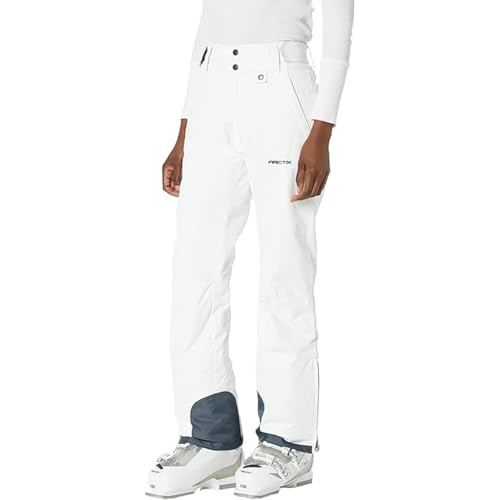


As an Amazon Associate we earn from qualifying purchases at no extra cost to you.
Women’s Ski Pants at a Glance
| Pant line | Best for | Construction (as makers describe) | Limits |
|---|---|---|---|
| Columbia Bugaboo (insulated) | Budget to mid-range resort days | Waterproof-breathable shell with synthetic insulation | Bulkier cut, less technical venting |
| Helly Hansen Legendary Insulated | Cold resort days, warmth | Waterproof shell with insulation, reinforced cuffs | Less airy for warm spring skiing |
| Patagonia Powder Town | Resort and side-country with eco-minded fabrics | Waterproof shell with insulation, recycled materials per maker | Premium-leaning cost tier |
| Arc’teryx Sabre | Hard use, deep days, durability | Gore-Tex shell, uninsulated, layering friendly | Premium cost tier, needs base layers for cold days |
| Obermeyer insulated pants | Fit-focused resort skiers | Insulated shell with adjustable waist and leg gaiters | Fewer vents on some models |
| Burton or similar bib | Powder days, snow-in-the-trousers worries | Bib style with chest coverage | Bathroom stops are more complicated |
Specific model names are updated frequently. Confirm the current season’s name and spec on the maker’s page before buying.
What to Look For in Ski Pants
Insulated versus shell
Insulated pants have built-in synthetic fill, so they work as a one-piece solution for cold resort days. Shell pants rely on base layers or mid-layers for warmth, which makes them more flexible across conditions. Reviewers often recommend shells to skiers who run hot or ski in spring, and insulated pants to skiers who get cold easily or ski mostly in colder climates.
Waterproofing and breathability
Makers list waterproof ratings in millimeters and breathability in grams, but there is no single standard, so different brands cannot be compared directly. Gore-Tex and similar branded membranes are generally positioned at the higher end. Look at seam taping, reinforced hems, and whether the zippers are water-resistant.
Venting
Thigh zippers help dump heat on hard climbs or sunny days. Mesh-lined vents let air through without letting snow in. Skiers who sweat easily should prioritize venting features.
Cuffs and boot compatibility
Look for internal snow gaiters, bootlace hooks, and scuff guards on the inside hem. These protect fabric from ski edges and boot buckles. If you wear taller alpine boots, try the pants over the boots to check that they do not ride up.
Waist and fit adjustment
Adjustable waists, suspender loops and stretch panels help with fit. Many makers offer regular, short, tall and plus-size options; check the size chart for inseam length since ski pants are often cut long to cover boots.
Budget Tiers
| Tier | Typical features | Trade-offs |
|---|---|---|
| Budget | Basic waterproof shell, synthetic fill, simple vents | Heavier, shorter lifespan, less refined fit |
| Mid-range | Better membranes, scuff guards, venting, more sizes | Not as light or durable as premium |
| Premium | Top-tier membranes, articulated cuts, long-term durability | High cost, may need extra layers in cold |
Most recreational skiers who ski ten to twenty days per season find the mid-range tier satisfactory. Premium pants pay off for frequent skiers, backcountry travelers and anyone who values low weight and long life.
Fit and Sizing Notes
- Check inseam and rise in the maker’s size chart; women’s cuts often differ from men’s in hip and thigh room.
- Wear your normal ski base layer when trying them on, then check that you can bend, squat and lift your knee to your chest.
- If you plan to ski in cold weather, leave room for a mid-layer rather than buying a tight fit.
- Bibs offer more coverage at the back and chest, which helps keep snow out during falls.
- Petite and tall skiers should look for brands that explicitly list short or long inseams.
Care Notes
Follow the care label. Many makers suggest washing with a technical detergent and reviving the durable water-repellent finish occasionally with a wash-in or spray treatment. Avoid fabric softener, which can clog membranes. Hang to dry or tumble on low if the label permits.
Pick X If You…
| If you… | Pick |
|---|---|
| Ski mostly at resorts in cold weather | Helly Hansen Legendary Insulated or Columbia Bugaboo insulated |
| Want the most flexible layering | Arc’teryx Sabre or another uninsulated shell |
| Care about recycled materials | Patagonia Powder Town |
| Want a fit-focused resort pant | Obermeyer insulated pants |
| Ski deep powder often | A bib-style pant |
| Are on a tight budget | Columbia’s insulated options |
Alternatives
- Outdoor Research and Mountain Hardwear shells for backcountry-oriented skiers.
- Roxy and Burton women’s lines for freestyle-oriented cuts and styles.
- Rental or secondhand shells if you ski only a few days per season.
Frequently Asked Questions
Should I buy insulated or shell ski pants?
If you get cold easily or ski in cold climates, insulated pants are simpler. If you run warm or want to adjust to changing weather, a shell with layers underneath gives more control. Many skiers own one of each.
Are bib pants better than regular ski pants?
Bibs give extra coverage and keep snow out in deep powder or falls. Regular pants are easier to take on and off. Pick based on your conditions and comfort.
How waterproof do ski pants need to be?
Makers list ratings, but there is no universal scale. For typical resort skiing, any reputable waterproof-breathable pant is adequate. Heavy, wet-snow regions may call for stronger membranes and well-taped seams.
How should ski pants fit?
They should allow full movement without bunching and cover the top of your boots. You should be able to fit base and mid-layers underneath. Check the length with your boots on.
How do I wash ski pants?
Use a technical wash or mild detergent according to the label, skip fabric softener, and re-treat the water-repellent finish as needed. Always follow the maker’s care instructions.
Can I wear ski pants for snowboarding?
Yes, snowboarders often prefer slightly looser cuts and reinforced seats and knees. Many ski pants work fine, though snowboard-specific pants usually have more room and extra wear protection.





