Key takeaways
- Runners focused on speed workouts or racing, who may prefer a lighter shoe.
- Those who want maximum softness for long runs.
- Anyone who needs a very light shoe under 250 g.
- People with a very wide foot who do not want to use the Wide option.
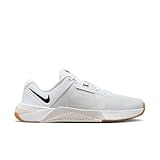
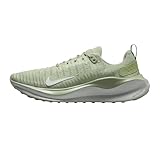
The Nike Pegasus is best for runners who want one dependable neutral daily trainer for easy and moderate runs, and on Nike’s current lineup the core model is the Pegasus 42, which uses ReactX foam with a full-length Air Zoom unit. The Pegasus 41 before it used separate heel and forefoot Air Zoom units, and the Pegasus 40 before that used React foam. This guide explains how the recent models differ, what Nike and independent reviewers state about weight, drop and fit, who the Pegasus suits, and how it compares with the Vomero, Structure, Invincible and rival brands.
Our top picks


As an Amazon Associate we earn from qualifying purchases at no extra cost to you.
Pegasus Lineup at a Glance
| Model | Cushioning as stated | Key reported specs | Best for |
|---|---|---|---|
| Pegasus 40 (earlier generation) | React foam with Zoom Air; treated here as an earlier generation | Older design; availability is now limited | Runners who find it on clearance and like the older fit |
| Pegasus 41 (previous generation) | ReactX foam with two Air Zoom units, heel and forefoot | About 10 oz; 10 mm drop per Nike; RTINGS measured about 283 g | Daily miles, walking, gym days |
| Pegasus 42 (current core model on Nike’s page) | ReactX foam with a full-length curved Air Zoom unit | About 300 g (10.5 oz) in men’s US 10; 10 mm drop, per Nike | Beginner to intermediate daily trainer |
| Pegasus 42 variants | Same platform: EasyOn, GORE-TEX, Wide | Closure, weather or width changes | Step-in ease, wet weather, broader feet |
| Pegasus Plus 2 and Pegasus Premium | Higher-cushion, more advanced foam builds | Premium reported around 325 g (11.5 oz), 10 mm drop | Runners wanting a softer, higher-stack Pegasus |
| ACG Pegasus Trail | Trail-specific | Trail outsole | Dirt paths and trails |
Which Number Is Current?
Nike’s Pegasus page currently lists the Pegasus 42 in standard, Wide, EasyOn and GORE-TEX forms, alongside the Pegasus Plus 2, Pegasus Premium, and the ACG Pegasus Trail models. Nike announced the 42 with an April 2026 release. Major review outlets such as RunRepeat, RTINGS and Road Trail Run cover the Pegasus 42 as the current model, and no Pegasus 43 release could be confirmed. For that reason this guide treats the 42 as the current core model and the 41 as the previous generation.
What Changed From Pegasus 40 to 41 to 42
Pegasus 40 to 41
The Pegasus 41, released in 2024, moved from React foam to ReactX foam and used two Air Zoom units, one in the heel and one in the forefoot. Nike claimed more energy return and a lower carbon footprint for the midsole foam. RunRepeat’s measurements found that energy return was not much higher than expected, with the forefoot boosted by the Air Zoom unit. RunRepeat scored the Pegasus 41 well, and reviewers generally described it as a solid everyday trainer.
Pegasus 41 to 42
Nike’s description of the Pegasus 42 says the main change is a curved, full-length Air Zoom unit that replaces the separate heel and forefoot units. Nike states that it gives a propulsive feel and a greater energy return than the Pegasus 41, and that a spring structure adds extra cushioning under the toes. The ReactX foam midsole carries over from the 41, the outsole is a revised waffle pattern, and the upper has more room in the forefoot and toe box.
Independent measurements are more cautious. Reviewers report that the stack is unchanged from the 41 at roughly 37 mm in the heel and 27 mm in the forefoot with a 10 mm drop. RunRepeat’s lab measured the 42 at about 286 g (10.1 oz) and reported that the full-length Air Zoom adds little from a performance standpoint, while grip and upper comfort improved; it scored the shoe 80 out of 100, which it labels Good. In short, Nike describes an upgrade, while RunRepeat’s data describes a safe, incremental evolution that does not transform the ride. Treat both as perspectives.
Cushioning and Ride
The Pegasus platform is designed to sit in the middle of the cushioning range: more protective than a light racer, less soft and tall than a max-cushion shoe. ReactX is Nike’s foam, which Nike says is more responsive than earlier React. Reviewers describe the ride as moderately firm and versatile, with the Air Zoom unit adding some pop in the forefoot.
The shoe is not light by current standards. At around 10 to 10.5 oz for men’s sizes, it is heavier than many rival daily trainers that come in under 250 g. That makes it better for steady easy runs than for fast sessions.
Fit and Sizing
Nike says the Pegasus 42 has a little extra room at the toes and forefoot compared with the 41, and lists Wide versions. Reviewers commonly describe it as true to size with a roomier toe box than before. The Pegasus 41 was described as true to size with a fairly standard fit.
If you are between sizes, consider the width option rather than going up in length. Runners who have used a Pegasus before should note that a new model may fit slightly differently, so check Nike’s size chart and, if possible, try a pair on in the afternoon when your feet are slightly larger.
Durability
Nike says the outsole is high-abrasion rubber with flex grooves. RunRepeat reported minimal outsole wear on the 42 but rated the mesh toe box poorly for durability, so reasonably careful handling of the upper is advisable. For a daily trainer, many runners expect a few hundred miles before cushioning feels flat, but this varies with body weight, surface and running style.
Care tips: after wet runs, remove insoles and let the shoes air dry at room temperature, never on a heater. Clean mud with a soft brush and mild soap, test on a hidden spot first, avoid bleach, and keep running shoes out of washing machines and dryers, which can weaken the glues and foams.
Who Should Choose the Pegasus?
| Pick this if you… | Choice |
|---|---|
| Want one shoe for 2 to 4 easy or moderate runs a week | Pegasus 42 |
| Want the previous generation | Pegasus 41 as the previous generation, where available |
| Need more toe room | Pegasus 42 Wide |
| Want to slip the shoe on without laces | Pegasus 42 EasyOn |
| Run in wet weather | Pegasus 42 GORE-TEX |
| Want a plush, more premium ride | Pegasus Plus 2 or Pegasus Premium |
| Run mostly on trails | ACG Pegasus Trail |
How It Compares With Other Nike Trainers
Nike Vomero
The Vomero 18 is Nike’s softer, higher-stack daily trainer. Nike lists a stack around 46 mm in the heel and 36 mm in the forefoot with a 10 mm drop, though independent labs measure lower. Believe in the Run describes the Vomero as a bit more exciting than the Pegasus for daily training. Choose the Vomero for long, easy miles when you want more softness; choose the Pegasus for a firmer, more versatile feel.
Nike Structure
The Structure line is Nike’s stability option. Believe in the Run lists the Structure 26 at around 10.4 oz with a 38 mm heel and 28 mm forefoot stack. Some runners prefer stability shoes for a guided feel, but evidence for matching shoes to foot type is limited. If you have pain, a podiatrist or physiotherapist is a better guide than shoe categories.
Nike Invincible
The Invincible 3 is a max-cushion trainer. Road Trail Run measured it at about 10.1 oz in a US 8.5, with a 40 mm heel and 30.6 mm forefoot stack, placing it above the Pegasus in stack height. Pick the Invincible if you prioritize cushioning for recovery runs.
Rival brands
Competing daily trainers from Brooks, ASICS, Saucony and New Balance often weigh less and use softer foams. These can suit runners who find the Pegasus a bit heavy, although the Pegasus remains a widely available, balanced choice.
Who Should Skip It
- Runners focused on speed workouts or racing, who may prefer a lighter shoe.
- Those who want maximum softness for long runs.
- Anyone who needs a very light shoe under 250 g.
- People with a very wide foot who do not want to use the Wide option.
Running injuries and foot pain can have many causes. Evidence on how shoes affect injury risk is limited, so seek advice from a podiatrist or physiotherapist if you have persistent pain.
Frequently Asked Questions
What is the difference between Pegasus 41 and 42?
Nike states that the 42 replaces the separate heel and forefoot Air Zoom units with a full-length curved unit, adds a bit more room in the toe box, and uses a revised outsole. The ReactX foam carries over. RunRepeat’s measurements suggest the ride is similar, with better grip.
Is the Pegasus good for beginners?
Nike describes the Pegasus 42 as suited to beginner to intermediate runners looking for a balanced daily trainer. Reviewers likewise call it a versatile all-rounder. Beginners should still check fit in person and increase mileage gradually.
Does the Pegasus run true to size?
Reviewers generally describe the Pegasus 42 as true to size with a roomier toe box than the 41. Nike also offers Wide sizes. If you feel pressure across the forefoot, try the wide version before going up in length.
How heavy is the Pegasus 42?
Nike lists about 300 g (10.5 oz) in a men’s US 10. RunRepeat measured around 286 g (10.1 oz). Both place it in the middle to heavier range among current daily trainers.
Should I choose the Pegasus or the Vomero?
The Vomero is softer and has a taller stack, so it suits long easy runs. The Pegasus is firmer and more versatile. Trying both on is the most dependable way to choose.
Can I walk or go to the gym in the Pegasus?
Nike’s page notes that reviewers find it comfortable for running, walking, gym work and daily wear. It is a general-purpose shoe with moderate cushioning. For heavy lifting, a flatter shoe may be more stable.