
Key takeaways
- Wipe the upper with a damp cloth and let shoes dry at room temperature away from a heater.
- Replace worn cleats; a cleat with rounded edges can release unexpectedly or fail to engage.
- Check cleat bolts for tightness. Grease the threads before reinstalling.
- Replace worn heel pads and toe bumpers, which are available from most makers.
- Remove insoles to dry them after wet rides.
For most men, the best cycling shoe is the one that matches the pedal system and the riding you actually do: a stiff-soled road shoe with a three-bolt cleat for fast road riding, a two-bolt mountain shoe with a walkable sole for gravel, commuting and mixed use, and a flat-pedal shoe for casual or technical trail riding. Fit comes first, because a shoe that squeezes or slips will spoil even a premium model.
Our top picks


As an Amazon Associate we earn from qualifying purchases at no extra cost to you.
Cycling Shoes for Men at a Glance
| Type | Example lines | Best for | Stated features | Limits |
|---|---|---|---|---|
| Road, entry level | Shimano RC3, Giro Cadet | Fitness and club riders | Three-bolt cleat pattern, nylon or composite sole, hook-and-loop or dial closure | Flexier soles, less power transfer than carbon |
| Road, performance | Shimano RC7, Specialized Torch, Giro Regime | Regular road riders, sportive events | Stiffer composite or carbon-blend sole, dial closures, vented uppers | Stiff soles are awkward for walking |
| Road, premium | Specialized S-Works lines, Sidi Genius, Fizik Tempo-series carbon | Racing, long fast rides | Full carbon soles, precise dial systems, lighter uppers | Narrow fits, high cost tier |
| Mountain and gravel | Shimano XC3, Giro Rincon, Specialized Recon | Gravel, cross-country, commuting | Two-bolt cleat recess, lugged rubber sole, walkable design | Slightly heavier than road shoes |
| Flat-pedal | Five Ten Freerider, Giro Latch | Trail, casual and city riding | Sticky rubber sole, no cleat needed | No clip-in efficiency |
Model names are listed as examples of established lines; makers refresh colors and details regularly, so confirm the current version on the maker’s page.
Road, Mountain or Flat: Start With the Pedal
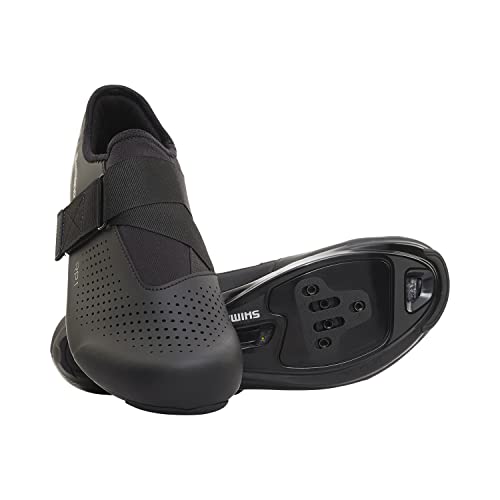
Cleats attach to the sole and lock into the pedal. Road systems typically use a three-bolt pattern with a cleat that protrudes from the sole. Mountain systems use a two-bolt pattern, usually SPD-style, with the cleat set into a recess so you can walk normally. Since the shoe and the pedal must match, check the pedals on your bike first. If you ride for transport, coffee stops or touring, a recessed two-bolt shoe is often the more practical choice even on a road bike.
What to Look for in a Men’s Cycling Shoe
Sole stiffness
The sole is the main difference between price tiers. Entry-level shoes use nylon or composite plates that flex slightly. Mid-range models add more rigid composite. Premium models use full carbon plates. Makers often list a stiffness index on a numbered scale, and reviewers say stiffer soles transfer power more directly on long fast efforts but feel harsher and are harder to walk in.
Closure systems
Hook-and-loop straps are simple and cheap. Dial systems, such as Boa-style or maker-specific dials, allow fine adjustment on the fly and spread pressure across the forefoot. Laces are quieter and lighter but cannot be adjusted mid-ride. A dial closure is the usual choice at the mid-range and above.
Fit and width
Shoes are made on different lasts. Italian brands such as Sidi and some Fizik models tend to be described as narrower, while makers like Giro and Shimano offer wide versions in certain lines. Try shoes later in the day when feet are slightly larger, wear your usual cycling socks and leave a small gap at the toes. Heel lift, numb toes or pressure on the top of the foot are signs the shoe is wrong. Sizing differs between brands and between EU and US systems, so use the maker’s chart.
Ventilation and weather
Perforated uppers keep feet cooler in summer. Winter riders sometimes add overshoes or choose insulated boots. A summer shoe with large vents will be uncomfortable in cold rain, so match the shoe to your climate.
Cleat position
Cleat placement affects knee and foot comfort. Many riders set cleats so the ball of the foot sits roughly over the pedal axle, then adjust slowly. A bike fitter can set this accurately. If you have knee pain or foot numbness that persists, see a doctor or a professional fitter instead of simply tightening the shoe.
Budget, Mid-Range and Premium Tiers
| Tier | Typical build | Best for | Trade-off |
|---|---|---|---|
| Budget | Nylon or basic composite sole, hook-and-loop closure | Beginners, commuters, occasional rides | Flexier sole, heavier |
| Mid-range | Stiffer composite sole, dial closure, vented upper | Regular riders who want the best value | Not as light or stiff as carbon |
| Premium | Carbon sole, microfiber upper, precision dials, heat-moldable options on some | Racers and serious road riders | Narrow fit on some lines, little walking comfort |
Pick X If You…
| Pick this | If you… |
|---|---|
| Entry-level road shoe such as the Shimano RC3 or Giro Cadet | are starting with clipless pedals and ride mostly on pavement |
| Mid-range road shoe such as the Shimano RC7 or Specialized Torch | ride regularly and want a stiff sole with a dial closure |
| Premium carbon shoe such as Sidi Genius or an S-Works model | race or want the lightest, stiffest option and have a narrow foot |
| Mountain or gravel shoe such as the Shimano XC3 or Giro Rincon | walk off the bike, commute or ride unpaved |
| Flat-pedal shoe such as the Five Ten Freerider | prefer flat pedals or ride casually |
Care and Maintenance
- Wipe the upper with a damp cloth and let shoes dry at room temperature away from a heater.
- Replace worn cleats; a cleat with rounded edges can release unexpectedly or fail to engage.
- Check cleat bolts for tightness. Grease the threads before reinstalling.
- Replace worn heel pads and toe bumpers, which are available from most makers.
- Remove insoles to dry them after wet rides.
Alternatives
- Hybrid commuter shoes: shoes with a cleat recess and a casual look suit riders who walk a lot.
- Flat pedals with grippy sneakers: the simplest option for short city rides.
- Heat-moldable or custom insoles: some riders improve comfort by adding supportive insoles rather than changing shoes.
- Wide-fit models: several makers offer wider versions of popular road shoes.
Choosing by Riding Style
Road and sportive riding
Riders who spend hours on pavement benefit from a stiff sole because the pedal pressure is spread across the foot rather than concentrated on one spot. A three-bolt cleat has a wide platform, which many riders find stable during hard efforts. The trade-off is that the cleat sticks out and makes walking on tile or gravel clumsy, so plan cafe stops accordingly and consider cleat covers if the maker sells them.
Gravel and touring
Gravel riders often walk or push through mud, sand and steep sections. A lugged rubber outsole gives traction, and a recessed two-bolt cleat keeps the metal clear of the ground. Reviewers also point out that touring riders appreciate being able to walk comfortably in a shoe that still clips into the pedal.
Commuting and indoor cycling
For commuting, a shoe that looks like a sneaker and has a recessed cleat can be worn at the office. Indoor cycling studios commonly use either two-bolt or three-bolt systems, so check which cleat the studio bikes require before buying. Some men keep one pair for the studio and a second pair for the road.
Common Fit Problems and Fixes
- Numb toes: often caused by a shoe that is too tight or too narrow in the forefoot. Loosen the closure or try a wider model.
- Hot spots on the top of the foot: can come from over-tightening a dial or strap. Spread the tension between closures.
- Heel slipping: a sign the shoe is too large or the heel cup does not suit your foot shape.
- Arch discomfort: some riders use aftermarket footbeds with more support. Bring them to a shop and try them in the shoe.
If pain persists after adjustments, a professional bike fit or a visit to a doctor or podiatrist is a better step than buying more shoes.
Frequently Asked Questions
Should I buy road or mountain cycling shoes?
Choose according to your pedals and how you ride. Road shoes with three-bolt cleats are stiffer and lighter, while mountain shoes with two-bolt cleats are far easier to walk in. Many casual road riders choose two-bolt shoes for convenience.
Are carbon soles worth it?
Carbon soles are stiffer and lighter, and reviewers say they feel most noticeable on long, hard efforts. For commuting or relaxed riding, a good composite sole is usually enough, and it is more comfortable to walk in.
How should cycling shoes fit?
They should hold the heel without lift and leave a small space at the toes. The forefoot should not be squeezed. Try them with your normal cycling socks, and check the maker’s size chart because sizing varies between brands.
Do I need special socks?
Not special, but thin, moisture-wicking cycling socks work better than thick cotton ones. Thick socks can crowd the shoe and cause numbness.
How often should I replace cleats?
Replace them when the edges look worn, when clipping in becomes difficult or when release feels inconsistent. Riders who walk often in their shoes wear cleats faster.
Can I use road shoes on any pedal?
No. Road shoes use a three-bolt cleat and need road-style pedals, while two-bolt shoes fit SPD-style pedals. Some shoes include both hole patterns, so read the maker’s specifications before buying.





