
Key takeaways
- Soccer shoes are designed to fit snugly; many players choose a thumb’s width of space or less at the toe. Follow the maker’s size chart, since Nike, adidas and PUMA fit differently.
- Try shoes with the socks you play in. Thick grip socks change the fit.
- Break leather-style models in over a few light sessions to avoid blisters.
- Wipe soles with a damp cloth before games to restore grip, and dry shoes at room temperature rather than on a heater, which can damage adhesives.
- Youth players with fast-growing feet should leave a little more room and re-check fit every season.
- Replace shoes when the sole smooths out or the upper separates, because worn outsoles raise slip risk.
For most players, a flat-soled indoor shoe with a snug, low-profile upper is the right choice: a touch-focused model such as the Nike Tiempo Legend Academy IC or adidas Copa suits technical midfielders, a speed-oriented shoe such as the Nike Mercurial Vapor Academy IC suits wingers and strikers, and a court-style classic such as the adidas Samba suits casual futsal and rec-league players. The right pick depends on your position, foot shape and budget tier far more than on any single headline feature.
Our top picks
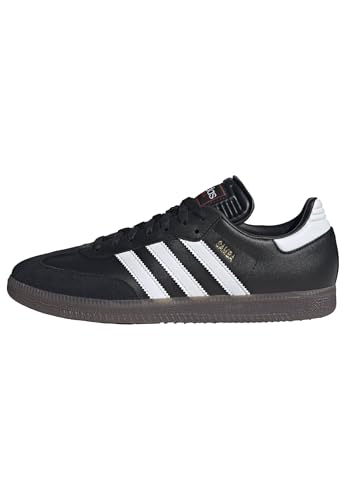
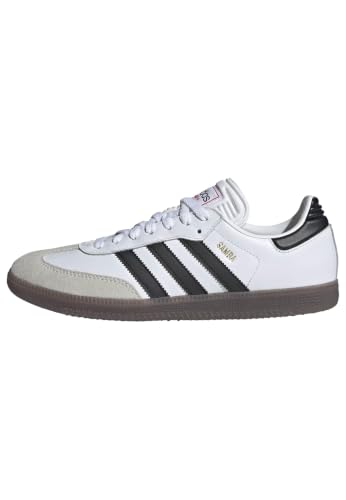


As an Amazon Associate we earn from qualifying purchases at no extra cost to you.
Indoor Soccer Shoes at a Glance
| Model line | Best for | Upper (as makers describe) | Limits |
|---|---|---|---|
| Nike Tiempo Legend Academy IC | Passing, control, midfield play | Synthetic or leather-style touch upper, flat IC outsole | Less cushioned than running-style shoes |
| Nike Mercurial Vapor Academy IC | Speed, quick turns, forwards | Lightweight synthetic, snug fit | Narrow last for some feet |
| adidas Copa (Pure line) IN | Close control, comfort | Soft synthetic or leather-style, indoor outsole | Looser touch feel than speed boots |
| adidas Predator League IN | Shooting, striking | Textured strike zones on the upper | Firm structure takes time to settle |
| PUMA Future / King IT | Agility and traditional feel | Adaptive knit or soft synthetic, depending on line | Sizing varies by line |
| adidas Samba | Casual futsal, all-day wear | Leather-style upper, gum rubber sole | Little protection or lockdown for hard play |
Model names and generations change often, so treat these as product lines and confirm the current version name on the maker’s page before buying. Several makers sell the same shoe in indoor court (IC, IN or IT) and turf versions; only the flat-soled indoor version belongs on a hard gym floor.
What Makes an Indoor Soccer Shoe Different
Indoor shoes use a flat, non-marking rubber outsole designed for grip on gym wood, sport court tiles or smooth synthetic floors. Cleats and studs are unsafe and usually banned indoors, and turf shoes with nubs can slide on polished wood. Most indoor models also have a thin midsole so you feel the ball, and a reinforced toe or side panel because indoor play involves a lot of contact with the ball and the walls.
Outsole
Look for gum rubber or similar soft compounds with a fine pattern. Reviewers frequently note that gum rubber gives more bite on clean wood but picks up dust quickly, so wiping the sole before play helps. If your venue marks floors strictly, check that the sole is described as non-marking.
Upper material
Leather and leather-style synthetics generally stretch and mold to the foot, while knit and thin synthetic uppers feel lighter but may offer less touch cushioning. Real leather needs a little care; synthetic is easier to wipe clean. Makers advertise different texture patterns on the upper for dribbling or striking, and reviewers generally describe these as modest rather than game-changing.
Cushioning and support
Indoor surfaces are hard, so players with sore knees, shins or heels may prefer models with a slightly thicker insole or a cushioned court-sport platform. Futsal-specific shoes often use a lower, flatter sole than general indoor shoes. If you play several times a week, an aftermarket insole can add comfort, provided the shoe has removable factory insoles.
Picks by Player Type
Technical midfielders and defenders
The Nike Tiempo Legend Academy IC and adidas Copa lines are built around a soft touch zone and a traditional silhouette. They typically fit a medium-width foot more comfortably than the narrowest speed shoes, and they tend to be forgiving if you wear thicker socks. If you value ball feel over weight, start here.
Wingers and strikers
The Nike Mercurial Vapor Academy IC is aimed at speed and acceleration, with a snug, lightweight upper. Reviewers report that fit is narrow in many Mercurial versions, so wide-footed players should try them on or consider sizing up half a size, following the maker’s size chart.
Shooters and all-rounders
The adidas Predator League IN and similar models add textured panels to help with ball contact, plus a more structured upper. They suit players who want a firm, supportive feel for striking.
Casual and rec-league players
If you play pick-up games once a week, a classic indoor shoe like the adidas Samba or a comparable court shoe is often enough. The trade-off is lower lockdown and less protection, so heavier use or quick lateral cutting may expose its limits.
Budget Tiers
| Tier | What you usually get | What you give up |
|---|---|---|
| Budget | Basic synthetic upper, flat rubber sole, standard insole | Thinner cushioning, faster wear at toe and sidewalls |
| Mid-range | Academy and League models from major brands with better upper materials and fit | Slightly less refined touch than top-tier shoes |
| Premium | Pro-level uppers, lighter construction, tighter fit | Narrower last, harder to justify for casual players |
For most adults, the mid-range tier offers the best balance. Premium models mostly add weight savings and upper refinement, which matter more at competitive levels than in casual leagues.
Fit, Size and Care Notes
- Soccer shoes are designed to fit snugly; many players choose a thumb’s width of space or less at the toe. Follow the maker’s size chart, since Nike, adidas and PUMA fit differently.
- Try shoes with the socks you play in. Thick grip socks change the fit.
- Break leather-style models in over a few light sessions to avoid blisters.
- Wipe soles with a damp cloth before games to restore grip, and dry shoes at room temperature rather than on a heater, which can damage adhesives.
- Youth players with fast-growing feet should leave a little more room and re-check fit every season.
- Replace shoes when the sole smooths out or the upper separates, because worn outsoles raise slip risk.
Pick X If You Want…
| If you want… | Pick |
|---|---|
| The softest touch for passing and control | Nike Tiempo Legend Academy IC or adidas Copa line |
| Light weight and a speed-focused feel | Nike Mercurial Vapor Academy IC |
| A structured shoe for shooting | adidas Predator League IN |
| A different, flexible fit | PUMA Future or King indoor model |
| A casual, stylish pick-up shoe | adidas Samba |
| The best value for league play | A mid-range Academy or League indoor model |
Alternatives Worth Considering
- Futsal-specific shoes from brands such as Joma, Diadora or Munich, which use a very flat sole and are common in futsal leagues.
- Court-style cross trainers if your league allows them, particularly for players with joint concerns who want extra cushioning.
- Turf shoes if your venue is artificial turf rather than a hard court. Do not substitute these on polished wood unless the venue allows them.
Frequently Asked Questions
Can I wear outdoor cleats indoors?
Generally no. Cleats can damage gym floors, reduce your own grip, and raise injury risk for other players. Most indoor venues require flat, non-marking soles, so check the facility rules.
What is the difference between IC, IN and IT?
These are makers’ labels for indoor court shoes with flat soles. The letters differ by brand (Nike uses IC, adidas uses IN, PUMA uses IT), but all indicate an indoor, flat-soled design. Always confirm the exact label on the product page.
Are futsal shoes the same as indoor soccer shoes?
They are very similar, but futsal shoes often have a flatter, thinner sole and a lower profile. Indoor soccer shoes can have slightly more cushioning. For most casual players the two are interchangeable on a hard court.
How should indoor soccer shoes fit?
They should feel snug, with little heel slip and no toe pressure. Soft uppers will relax slightly with wear, so avoid buying too large. If you are between sizes, check the maker’s size chart and consider the sock thickness you play in.
How long do indoor soccer shoes last?
It depends on how often you play and your playing style. Frequent players commonly see the toe area and outsole wear first. Replace them when grip fades or the upper starts to separate from the sole.
Are expensive indoor shoes worth it?
For casual or youth players, mid-range models usually deliver what they need. Premium shoes mainly add lightness and upper refinement, which matter most to competitive players who feel those differences.





