Key takeaways
- Strap length and overlap: A wrap sized for a 16-18 inch knee with only 2-3 inches of overlap will loosen as the gel insert warms and softens. Look for 6+ inches of overlap at your measured circumference.
- Closure type: Wide hook-and-loop (Velcro-style) closures spread tension across more surface area than narrow buckle straps, which tend to dig in and then slip.
- Contouring: Wraps with a pre-shaped sleeve or side gussets that let the knee bend without the ice pack bunching stay seated better than flat rectangular wraps strapped on top of a straight-leg sleeve.
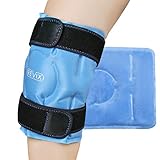
The best cold therapy wrap for a knee is one with a strap that’s at least 45-55 inches long (so it fits a 14-22 inch knee circumference with overlap to spare), a gel or circulating-water insert that holds usable cold for 20-30 minutes, and a hinge-free wrap pattern that lets you bend or walk without the pack sliding down. Below is how seven common wrap styles stack up on those three measurements, plus how to pick based on your situation.
As an Amazon Associate we earn from qualifying purchases at no extra cost to you.


What Actually Determines “Stays Put”
Most complaints about cold wraps aren’t about the cold, they’re about slippage. Three design factors predict whether a wrap stays in place during movement:
- Strap length and overlap: A wrap sized for a 16-18 inch knee with only 2-3 inches of overlap will loosen as the gel insert warms and softens. Look for 6+ inches of overlap at your measured circumference.
- Closure type: Wide hook-and-loop (Velcro-style) closures spread tension across more surface area than narrow buckle straps, which tend to dig in and then slip.
- Contouring: Wraps with a pre-shaped sleeve or side gussets that let the knee bend without the ice pack bunching stay seated better than flat rectangular wraps strapped on top of a straight-leg sleeve.
Gel Insert vs. Circulating Water: The Real Tradeoff
This is the biggest functional split in cold therapy wraps for the knee, and it matters more than brand.
- Gel inserts (frozen in a freezer or chilled in a cooler): Simple, no power needed, portable enough to wear while walking around the house. Cold output drops steadily as the gel warms, usually noticeably softer by the 20-minute mark, fully warm by 30-40 minutes. Compression is fixed by how tight you cinch the strap, there’s no adjustment once it’s on.
- Circulating water systems (a control unit pumps chilled water through a pad via tubing): Maintain a more consistent temperature for 1-2+ hours per fill, and some units let you dial the target temperature. The tradeoff is the control unit and hose, which make walking impractical and limit you to sitting or lying down near an outlet or battery pack. Compression also tends to be lighter since the pad is a soft bladder rather than a cinched gel pack.
If you need to stay mobile during a session, gel wins. If you need long, steady cold after a procedure or for chronic swelling and you’ll be sitting still anyway, circulating water wins.
Seven Wrap Styles Compared
Rather than naming a single “winner,” here’s how the common wrap types compare on the three things that matter most: fit range, cold duration, and whether you can move during use. Numbers are typical ranges reported by manufacturers for each category, not a single product’s exact spec.
| Wrap Type | Strap/Sleeve Length | Knee Circumference Fit | Effective Cold Duration | Walking/Bending OK? | Typical Price Range |
|---|---|---|---|---|---|
| Basic gel pack + elastic strap | 40-48 in | 13-20 in | 15-25 min | Walking yes, deep bending limited | $12-$25 |
| Contoured gel sleeve (pull-on) | Sleeve, no strap (sized S-XL) | 12-23 in by size | 20-30 min | Yes, best for both | $20-$40 |
| Wide Velcro gel wrap with side gussets | 50-58 in | 14-24 in | 20-30 min | Walking yes, bending with mild bulge | $18-$35 |
| Compression gel wrap with adjustable straps | 45-60 in (dual straps) | 14-26 in | 20-25 min | Walking yes | $25-$45 |
| Circulating-water pad, basic single-temp unit | Pad only, ~16×20 in, strapped on | 14-22 in | 60-90 min per fill | No, cord/hose limits movement | $80-$150 |
| Circulating-water pad, adjustable-temp unit | Pad only, ~16×20 in, strapped on | 14-24 in | 90-120+ min per fill | No | $130-$250 |
| Reusable ice bead/clay wrap with buckle strap | 42-50 in | 13-19 in | 25-35 min | Walking yes, bending limited | $15-$30 |
Sizing by the Numbers
Measure your knee circumference at the kneecap with a soft tape measure before buying. For reference: a 14-16 inch measurement is common for smaller or younger frames, 17-19 inches covers most average adult knees, and 20-24 inches fits larger or post-swelling knees. If you’re between sizes on a sleeve-style wrap, size up, since swelling after activity or injury can add an inch or more to the measurement you took at rest.
Matching the Wrap to Your Situation
| Your Situation | Best Fit Type | Why |
|---|---|---|
| Need to walk around or do light chores during icing | Contoured gel sleeve or wide Velcro gel wrap | No cords, strap stays seated through movement |
| Post-surgery, icing for long stretches while resting | Circulating-water pad | Consistent temp for 1-2+ hours without refreezing |
| Budget-conscious, occasional use | Basic gel pack + elastic strap | Lowest cost, works fine for short sessions on the couch |
| Larger knee circumference (20+ in) or heavy swelling | Compression gel wrap with dual adjustable straps or adjustable-temp water unit | Wider fit range and more overlap to maintain compression as swelling changes |
| Icing multiple times a day, every day | Reusable ice bead/clay wrap or two gel packs on rotation | One pack can refreeze while the other is in use, no downtime |
Ownership Realities: What Wears Out First
- Velcro loses grip before the gel wears out. After months of repeated freeze-thaw cycles and washing, hook-and-loop closures pick up lint and lose stick, which is usually the first thing to fail, not the cold pack itself.
- Gel packs eventually leak. Repeated freezing and bending stresses the seams. A pack that’s developed a slow leak will feel lumpy or uneven, that’s the sign to replace it rather than keep refreezing it.
- Water-circulation hoses and connectors are the weak point on pump units. Check connections for cracking after a year or more of use, especially if the unit is stored anywhere that gets cold enough for residual water to freeze inside the tubing.
- Cleaning: Wipe gel wraps and sleeves with a damp cloth and mild soap, most aren’t machine washable because the gel insert can’t go through a wash cycle. Circulating-water pads should be drained after each use to prevent mineral buildup or mold in the tubing.
- Common mistake: Applying ice directly against skin without any barrier (even a thin wrap layer) risks cold-related skin irritation. Most wraps already include a fabric layer between gel and skin, but if you’re improvising with a standalone ice pack, add a thin cloth barrier.
A Quick Cost-Per-Use Check
A $20 gel wrap used twice a day for a two-week recovery period (28 uses) costs about $0.71 per use, and it’s reusable well beyond that if the seams hold. A $180 circulating-water unit used the same way costs about $6.43 per use over the same two weeks, but drops below $1 per use if you keep it for ongoing, long-term management (knee arthritis, chronic swelling) over a year or more. For short-term injuries, gel wraps are the better value. For long-term, frequent, extended-duration use, the water unit’s upfront cost evens out over time.
As with any cold therapy product, limit sessions to the time recommended on the packaging (commonly 15-20 minutes at a time), and check with a physical therapist or physician if you have circulation issues, diabetes, or numbness in the area before starting a regular icing routine.