Key takeaways
- Fitted rotator cuff wraps: Cover about 90 to 110 square inches centered on the deltoid. Best for targeted 15 to 20 minute rehab sessions while sitting upright.
- Large flat packs: Cover 150 to 230 square inches when the 11 x 14 in or 12.5 x 18.5 in sizes are folded over the shoulder. Best for the best ice pack for shoulder surgery recovery when you are reclined and can drape the pack over the joint.
- Neck and shoulder drapes: Cover the trapezius from neck to shoulder tip. Best when listed as best neck and shoulder ice pack for combined stiffness, but less compression directly on the rotator cuff.
- Cold therapy pads: Cover a similar area to a fitted wrap but deliver continuous cool water instead of a single cold peak. Best for frequent icing after rotator cuff surgery when refreezing gel packs becomes inconvenient.
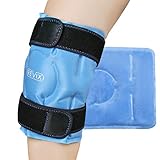
The best shoulder ice pack for rotator cuff pain in 2026 for most rehab icing is the Vive Shoulder Ice Wrap, because it covers both the front and top of the shoulder joint, has adjustable chest and bicep straps, and stays pliably cold for about 20 to 30 minutes.
For post-surgical icing where you need longer, hands-free cold, a motorized cold therapy unit like the DonJoy IceMan CLEAR3 with a shoulder pad is the more practical option, while a large flat gel pack like the Chattanooga ColPac or FlexiKold Large is better if you mainly ice in bed and want maximum coverage without a fitted wrap. If you have neck stiffness along with shoulder pain, a drape-style wrap like the TheraPAQ Shoulder Wrap is easier to wear across the neck and shoulder than a rotator-cuff-specific compression wrap. Always follow your surgeon or physical therapist’s icing protocol, especially after shoulder surgery or rotator cuff surgery, and check skin regularly during cold therapy.
As an Amazon Associate we earn from qualifying purchases at no extra cost to you.


Shoulder Ice Pack Comparison for 2026: Coverage, Fit, and Cold Time
Rotator cuff icing is different from general shoulder soreness. You need cold directly on the deltoid cap, the front of the joint, and in many cases the upper back of the shoulder, without the pack sliding forward when you sit up. The packs below represent the main types people search for when looking for the best ice pack for shoulder surgery or best ice pack for rotator cuff surgery: fitted shoulder wraps, large flat gel packs, drape-style neck and shoulder wraps, and cold therapy units.
| Product / Type | Coverage Area and Size | Weight When Frozen | Strap / Fit System | Typical Cold Time | Lining Material |
|---|---|---|---|---|---|
| Vive Shoulder Ice Wrap | 10.5 x 10 in reversible pad, left/right fit | 1.6 to 1.9 lbs | Adjustable chest strap up to 50 in, bicep strap up to 18 in | 20-30 minutes pliable cold | Plush neoprene backing, fleece barrier side |
| FlexiKold Large Gel Cold Pack | 10.5 x 14.5 in flat pack, used with separate shoulder wrap or towel | 2.2 to 2.5 lbs | No built-in straps; relies on wrap, compression bandage, or body weight | 25-35 minutes | Nylon exterior gel pack interior |
| TheraPAQ Shoulder Wrap with Gel Pack | 11 x 14 in gel insert, extended fabric wings for neck and shoulder | 2.0 to 2.3 lbs | Two hook-and-loop straps, fits chests 28-48 in | 20-25 minutes | Micromink fabric cover |
| Chattanooga ColPac Large | 11 x 14 in, also available 12.5 x 18.5 in oversize | 2.3 lbs for large, 3.4 lbs oversize | No straps; clinic-style pack held with towel or elastic wrap | 25-30 minutes when properly chilled | Latex-free vinyl shell, silica gel fill |
| DonJoy IceMan CLEAR3 with Shoulder Pad | Universal shoulder pad approx. 12 x 13 in coverage plus 4-liter cooler | Cooler 4.5 lbs empty, ~12 lbs with water and ice | Elastic shoulder straps and trunk strap, pad connects by hose | 4-6 hours per ice fill with intermittent flow | Insulated pad with water channels |
What Matters Most for Rotator Cuff Icing
1. Wrap coverage: front, top, and back of the joint
The rotator cuff sits under and around the acromion, so pain often feels deep in the top or front of the shoulder. A small 6-inch round pack will not stay on that curve.
- Fitted rotator cuff wraps: Cover about 90 to 110 square inches centered on the deltoid. Best for targeted 15 to 20 minute rehab sessions while sitting upright.
- Large flat packs: Cover 150 to 230 square inches when the 11 x 14 in or 12.5 x 18.5 in sizes are folded over the shoulder. Best for the best ice pack for shoulder surgery recovery when you are reclined and can drape the pack over the joint.
- Neck and shoulder drapes: Cover the trapezius from neck to shoulder tip. Best when listed as best neck and shoulder ice pack for combined stiffness, but less compression directly on the rotator cuff.
- Cold therapy pads: Cover a similar area to a fitted wrap but deliver continuous cool water instead of a single cold peak. Best for frequent icing after rotator cuff surgery when refreezing gel packs becomes inconvenient.
If your pain is mostly in the front of the shoulder, choose a reversible left/right wrap rather than a symmetrical drape. If pain wraps into the shoulder blade after surgery, a large flat pack folded in half gives better back coverage.
2. Strap adjustability and staying in place
Fit failure is the main reason people stop icing consistently. A shoulder is tapered and mobile, so gravity pulls packs forward.
- Look for two anchor points: one around the chest or opposite armpit and one around the bicep. Single-strap designs rotate.
- Chest strap range matters. Standard wraps fit 32 to 48 inches. If you are over 48 inches around the chest, check for extension straps before buying.
- Bicep strap range is typically 12 to 18 inches. For smaller frames, excess strap material can bunch behind the arm and loosen during a session.
- Neoprene and elastic compression help maintain skin contact. A loose drape-style best neck and shoulder ice pack will feel comfortable but delivers less direct compression on the joint.
For rehab exercises where you ice immediately after pendulum or band work, a hands-free wrap with hook-and-loop closures is more useful than a flat pack you have to hold.
3. How long it stays cold on the shoulder
Most physical therapy icing guidance uses 15 to 20 minutes per session with a thin barrier. Gel pack performance depends on freezer temperature, gel thickness, and whether there is an insulating cover.
- Thin gel inserts under 0.75 in thick: 15 to 20 minutes of useful cold, then warm quickly on body heat.
- Thick gel packs 0.9 to 1.25 in thick like FlexiKold Large and ColPac Large: 25 to 35 minutes, but stay stiff for the first 5 minutes until they soften.
- Fabric-covered wraps: Feel less intense and lose 5 to 10 minutes of peak cold compared to bare vinyl packs, but reduce risk of ice burn and are more comfortable for the full session.
- Cold therapy units: Do not get as intensely cold as a fresh-from-freezer gel pack, but maintain steady cool for hours by circulating ice water. This is why they are often chosen as the best ice pack for rotator cuff surgery when icing 3 to 5 times per day is prescribed.
Decision Matrix: Which Type Fits Your Situation
| Your Situation | Best Type to Choose | Why |
|---|---|---|
| Rehab icing 2x daily for rotator cuff tendinopathy, need to move around | Fitted shoulder wrap like Vive | Stays centered on joint, adjustable straps allow light activity |
| First 2-4 weeks after shoulder surgery or rotator cuff surgery | Cold therapy unit or 2 large flat packs in rotation | Longer sessions and frequent use without waiting for refreeze |
| Neck tightness plus shoulder pain from desk work | Drape-style neck and shoulder wrap like TheraPAQ | Covers trapezius and shoulder tip at same time |
| Larger or smaller body size, packs slip off | Wrap with dual chest and bicep straps | Two-point fit prevents forward sliding |
| Limited freezer space | Single fitted wrap with removable insert | Only gel insert needs freezing, not full neoprene wrap |
| Budget-conscious, occasional use | Large flat gel pack | Lower general market range, can also be used for back, hip, or knee |
Worked Example: Planning a 20-Minute Rehab Icing Session
Cold time on the label is measured at room temperature. On a 98.6-degree shoulder with a cover, useful time is shorter. Use this simple check:
- Standard rehab protocol: 15 to 20 minutes of cold with a thin towel or fabric barrier, at least 40 to 60 minutes between sessions.
- If your pack provides 25 minutes of cold at room temperature, expect about 18 to 22 minutes of therapeutic cold on the shoulder once body heat warms the gel.
- Refreeze time: Most 10 x 14 in gel packs need 2 to 3 hours in a 0-degree freezer to fully recharge. If you ice 3 times per day, you need either two packs or a cold therapy unit.
- Coverage math: A 10.5 x 10 in wrap gives about 105 square inches. The adult deltoid cap is roughly 7 x 7 in or 49 square inches. That leaves enough margin for the pack to wrap forward and backward around the joint, which is the minimum for rotator cuff coverage.
Practical setup: Freeze the gel insert flat, not folded, so it drapes evenly. Place the fabric side or a thin cotton towel toward skin, secure the chest strap first, then the bicep strap snug but not tight enough to numb the hand. Set a timer for 15 minutes for the first few sessions to see how your skin responds.
Durability and Ownership Realities
- What wears first: Hook-and-loop straps lose grip after 6 to 12 months of daily rehab use. Gel pack seams split if folded while fully frozen. Cold therapy unit hoses crack if coiled tightly for storage.
- Cleaning: Most neoprene wraps are spot-clean only. Washable covers like micromink can be hand-washed cold and air-dried. Never machine-dry gel packs or insulated pads; heat degrades the gel and vinyl.
- Freezer care: Store flat packs flat. Storing them crumpled creates thin spots that freeze unevenly and leak sooner. Keep freezer at or below 0 degrees C for full charge.
- Common mistakes: Applying a bare vinyl pack directly to skin after shoulder surgery when sensation is reduced, icing longer than 25 minutes hoping for faster recovery, and using a leaking pack. Discard any pack with crystals leaking, sticky seams, or a chemical smell.
- Consumables: Flat gel packs typically last 1 to 2 years with regular use before they stay stiff or lose cold time. Cold therapy pads last longer but require fresh ice and periodic hose cleaning to prevent mildew.
Fitted gel wraps generally fall in a low to mid general market range, large clinic-style cold packs in a low range, drape-style neck and shoulder wraps in a low to mid range, and motorized cold therapy units in a high range due to the pump and insulated cooler. If you are deciding between the best ice pack for shoulder surgery and a standard rotator cuff wrap, factor in how many weeks you will ice: daily post-surgical icing for a month often justifies the larger system, while short-term strain responds well to a single adjustable wrap.
Quick Picks by Need
- Best for staying in place during rehab: Fitted wrap with chest plus bicep straps.
- Best for long cold time without refreeze: Motorized cold therapy unit with shoulder pad.
- Best neck and shoulder ice pack for combined areas: Extended drape wrap that sits across the trapezius.
- Best for large coverage in bed: Oversize 12.5 x 18.5 in flat pack folded over the shoulder.
Talk to your doctor, surgeon, or physical therapist about frequency, barrier use, and when to switch from cold to heat, particularly if you have circulation problems, nerve sensitivity, or recent stitches. The right choice is the one that covers your painful area, stays put for the full session, and matches how often you will realistically ice.