Key takeaways
- The best quilting machines depend on your quilt size and working style: choose the Brother PQ1600S or Juki TL-2000Qi for affordable free-motion work, the Janome 1600QCP for strong straight-stitch control, and a dedicated long-arm such as the Grace Q’nique 15R…
The best quilting machines depend on your quilt size and working style: choose the Brother PQ1600S or Juki TL-2000Qi for affordable free-motion work, the Janome 1600QCP for strong straight-stitch control, and a dedicated long-arm such as the Grace Q’nique 15R or BERNINA Q 16 when throat space and frame quilting matter most.
Our top picks


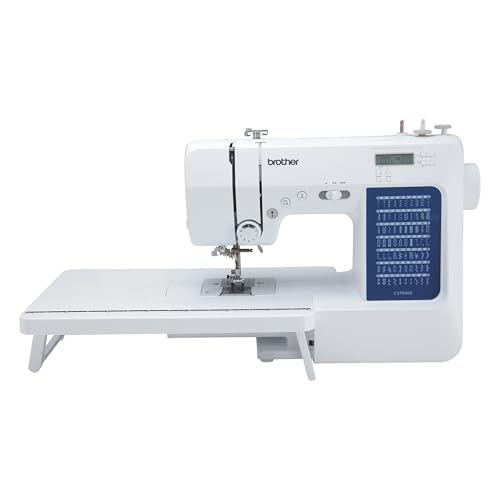
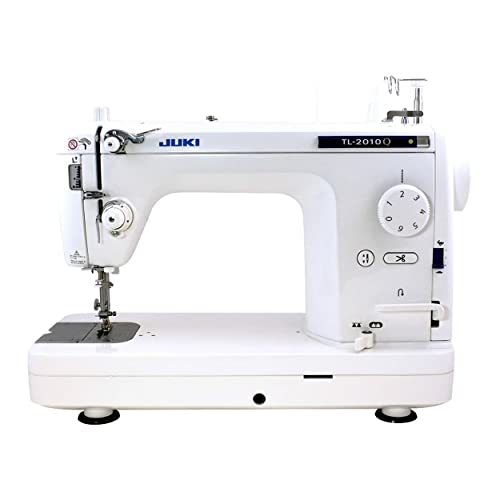
As an Amazon Associate we earn from qualifying purchases at no extra cost to you. Ratings are shown as listed on Amazon.
Quick comparison of the best quilting machines
| Machine | Throat space | Maximum speed | Feed and control | Best use | Typical market range |
|---|---|---|---|---|---|
| Brother PQ1600S | 8.6 inches | 1,500 stitches per minute | Drop feed, knee lifter, speed control, needle-stop control | First straight-stitch quilting machine | $700–$1,000 |
| Juki TL-2000Qi | 8.5 inches | 1,500 stitches per minute | Drop feed, foot controller, needle-position control | Reliable piecing and free-motion quilting | $700–$1,000 |
| Janome 1600QCP | 9 inches | 1,600 stitches per minute | Drop feed, adjustable speed, knee lifter, strong straight stitch | Frequent domestic-machine quilting | $1,300–$1,800 |
| Grace Q’nique 15R | 15 inches | 1,800 stitches per minute | Frame-compatible, regulated-speed controls, multiple quilting feet | Large quilts and entry-level long-arm work | $2,500–$4,000, depending on frame and bundle |
| BERNINA Q 16 | 16 inches | 2,200 stitches per minute | Drop feed, stitch regulation, touchscreen controls, frame or sit-down setup | High-end quilting and frequent production | $5,500–$8,000 or more, depending on configuration |
Prices vary with included tables, frames, rulers, bobbins, stitch regulators and dealer packages. A machine with a lower advertised price can cost more after adding a frame, extension table, quilting feet and replacement bobbins.
Best quilting machine for a beginner
Brother PQ1600S: the easiest focused starting point
The Brother PQ1600S is a practical beginner choice when you mainly want to piece quilt blocks and learn free-motion quilting without paying for decorative stitches. Its straight-stitch design reduces unnecessary controls, while the needle-stop setting, adjustable speed and knee lifter make it easier to keep both hands on the fabric.
Its 8.6-inch throat is adequate for table runners, baby quilts, placemats and smaller throw quilts. The limitation appears when rolling a queen-size quilt: the left side of the quilt has less room to move, so you must baste carefully and reposition the project frequently. It is a domestic machine rather than a true long-arm.
The included quilting accessories vary by package, but look for a free-motion foot, walking foot, quarter-inch foot and open-toe foot. Those feet are more useful to a beginner than a large collection of decorative stitches.
Juki TL-2000Qi: best value for precision piecing
The Juki TL-2000Qi is also a straight-stitch machine, but it is especially appealing to quilters who value a firm, controlled feeding feel and a clean quarter-inch seam. Its aluminum construction and industrial-style layout give it a stable presence on a sewing table, although the machine is heavier and less portable than a compact computerized model.
Choose the Juki if your first priority is accurate piecing, with free-motion quilting as a second skill. Its drop-feed function allows darning and free-motion work, while the included extension table supports larger fabric sections. It does not provide stitch regulation, so consistent free-motion stitch length comes from coordinating hand movement with sewing speed.
Best quilting machine for experienced domestic-machine users
Janome 1600QCP: more control for regular quilting
The Janome 1600QCP is designed for quilters who sew often and want a powerful straight-stitch machine rather than a general-purpose model. Its 9-inch throat offers a small but useful improvement over 8.5-inch machines, and its speed slider lets you slow the machine while learning ruler work, curves or feathers.
The knee lifter is valuable when quilting because it raises the presser foot without removing your hands from the quilt. The drop-feed control supports free-motion quilting, while the walking foot helps feed multiple layers evenly for straight-line designs.
This machine makes sense when you already own a basic sewing machine and want a dedicated quilting setup. It is less attractive if you need zigzag stitches, buttonholes or many garment-sewing functions.
Best quilting machine for large quilts and a frame
Grace Q’nique 15R: the practical long-arm step up
The Grace Q’nique 15R is a better choice than a domestic machine when your main projects are full-size quilts and you want to quilt them on a frame. Its 15-inch throat gives the quilt more usable space between the needle and the machine body, reducing how often you need to roll or reposition the quilt.
A frame changes the workflow: instead of pushing a bulky basted quilt across a flat table, you attach the quilt layers to rollers and move the machine over the surface. Check the exact frame included in a package, because frame length and required floor space differ. Measure the room before buying; a frame may need several feet of clearance on all sides for loading, maintenance and operator movement.
The Q’nique 15R is suited to people who quilt regularly but do not need the highest-end electronics. Its speed controls and stitch-regulation options are more forgiving than a basic free-motion domestic machine. However, it requires more setup, careful thread-path adjustment and routine lint removal.
BERNINA Q 16: premium control and flexibility
The BERNINA Q 16 is aimed at serious quilters who want a 16-inch throat, high maximum speed and refined electronic control. It can be used as a sit-down machine or with a compatible frame, depending on the configuration. That flexibility matters if you currently quilt at a table but may later move to a dedicated frame room.
Its stitch-regulation modes help maintain more even stitch length as you move the fabric or machine. Regulation does not replace practice: abrupt hand movements, incorrect needle size or poor thread tension can still produce uneven stitches. The Q 16 is expensive, but its value is easier to justify for frequent quilting, paid quilting services or large projects where reduced handling time matters.
Decision matrix: which machine fits your situation?
| Your situation | Best match | Why | Main compromise |
|---|---|---|---|
| Budget under about $1,000 and occasional quilting | Brother PQ1600S or Juki TL-2000Qi | Strong straight stitch, simple controls and modest accessory costs | Limited throat space and no built-in stitch regulation |
| Mostly piecing with some free-motion quilting | Juki TL-2000Qi | Stable feeding and focused straight-stitch design | No zigzag or decorative-stitch capability |
| Weekly quilting at a table | Janome 1600QCP | Speed control, knee lifter and strong multi-layer performance | Higher price than entry-level straight-stitch machines |
| Queen-size quilts and dedicated floor space | Grace Q’nique 15R | 15-inch throat and frame compatibility | Frame assembly, room requirements and additional accessories |
| Frequent large quilts or professional ambitions | BERNINA Q 16 | Large throat, regulation and sit-down or frame options | High purchase price and premium accessory costs |
What to check before buying
Throat space is more important than maximum speed
Speed numbers look impressive, but most beginners quilt well below the maximum. Throat space affects how much quilt can sit to the left of the needle before bunching. For table runners and baby quilts, 8.5 to 9 inches may be sufficient. For bed quilts, 15 to 16 inches noticeably reduces fabric compression and repositioning.
Feed systems and quilting feet
For piecing, a regulated feed dog and quarter-inch foot matter most. For straight-line quilting, use a walking foot or even-feed system to move the quilt sandwich evenly. For free-motion quilting, lower or cover the feed dogs and use a darning, free-motion or ruler foot approved for that machine. Never assume a generic ruler foot has the correct height; an unsuitable foot can strike the needle or damage the machine.
Frame compatibility needs careful checking
Domestic machines can sometimes be used with specialty quilting frames, but the result depends on throat depth, carriage width, foot clearance and control placement. A dedicated long-arm machine is designed as a system with a compatible carriage and frame. Confirm whether the quoted price includes the frame, leaders, carriage, stitch regulator and installation support.
Setup and ownership costs beginners often miss
Before quilting, install a new quilting needle, wind a full bobbin, clean lint from the bobbin area and test tension on a sample made from the same batting and fabric as the quilt. A 90/14 needle is commonly suitable for heavier quilt sandwiches, while a 75/11 or 80/12 may suit lighter cotton layers; the correct size depends on thread and fabric.
As a simple cost calculation, suppose a $900 domestic quilting machine is used for 30 quilts over five years. The machine cost alone is $30 per quilt. Add approximately $8–$20 per quilt for needles, bobbins, quilting feet wear and cleaning supplies, and ownership becomes roughly $38–$50 per quilt before fabric and batting. A frame machine costing $3,500 used for 70 quilts over five years costs $50 per quilt before consumables, so frequent use is important when justifying the upgrade.
The parts that usually need attention first are needles, bobbins, feet, handwheel belts or drive components, and the bobbin-case area damaged by lint or incorrect insertion. Clean according to the manual, oil only where the manufacturer specifies, and avoid pulling the quilt forcefully through the needle. That common mistake can bend needles, distort stitches and put unnecessary stress on the timing mechanism.
Final recommendation
For most beginners, the Brother PQ1600S is the least intimidating focused choice, while the Juki TL-2000Qi is excellent for precise piecing and occasional free-motion work. Choose the Janome 1600QCP for heavier weekly domestic use. Move to the Grace Q’nique 15R when large quilts and a frame justify the extra space, and select the BERNINA Q 16 when advanced control, flexibility and long-term intensive use outweigh the premium price.