Key takeaways
- Pre-freeze flat: Lay the wrap flat in the freezer for at least 2 hours. Folding it while freezing creates a permanent crease that leaves air gaps on the ankle.
- Use a barrier: Place a thin cotton sock or tea towel between skin and pack. Direct contact with frozen gel below 0°C can cause ice burns, especially over bony areas with little fat padding.
- Wrap with elevation: Sit with the foot elevated above heart level on pillows. Secure the lower strap under the arch first, then the ankle straps in a figure-8. It should feel snug, not numb or tingling. If toes tingle or turn pale, loosen immediately.
- Time it: Set a timer for 15-20 minutes. Remove, allow skin to return to normal temperature for at least 40-60 minutes, then reapply if needed. Do not sleep with the pack on.
- Refreeze correctly: Wipe off condensation, lay flat, and return to freezer. Avoid puncturing with sharp freezer items.
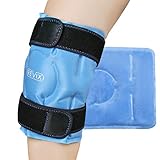
The best ice pack for foot and ankle swelling after injury is a contoured, wraparound ankle wrap with adjustable straps and a stay-cold gel, not a flat rectangular pack, because only a wrap maintains full skin contact around the ankle bones and arch while remaining securely in place for the typical 15-20 minute icing window.
For a sprained ankle or post-workout swelling, models like the ComfiTemp Ankle Foot Ice Pack Wrap, Arctic Flex Ankle Ice Wrap, Vive Ankle Ice Pack Wrap, and TheraPAQ Ankle Ice Wrap are the most consistent options in 2026. They all use a similar flexible gel that stays pliable when frozen, but they differ significantly in coverage, cold retention time, and how they fit different foot sizes. Choosing the right one comes down to whether you need full foot-plus-ankle coverage or just targeted ankle compression, and how often you plan to reuse it.
As an Amazon Associate we earn from qualifying purchases at no extra cost to you.


What Actually Matters for Foot and Ankle Icing
Flat gel packs fail on feet and ankles for one reason: air gaps. The ankle has two prominent bony bumps (the malleoli), a narrow Achilles area, and a curved arch. If the pack bridges over those areas instead of wrapping around them, you get uneven cooling and poor swelling control.
3 Decision Criteria to Prioritize
1. Contoured Fit and Compression: Look for a wrap with at least two independent straps — one around the calf/ankle and one under the foot. Single-strap sleeves tend to slide down, while a fig-8 or stirrup design locks over the top of the foot and behind the heel. Neoprene or plush fabric backing with elastic Velcro straps holds compression without needing an extra elastic bandage.
2. Cold Retention vs. Flexibility: Most reusable packs use a water-glycerin or clay-based gel. Clay-based gels stay cold longer (25-35 minutes) but are heavier and stiffer initially. Glycerin gels become flexible faster out of the freezer (within 10 minutes) and are better for molding around bones, but typically start to warm after 18-22 minutes. For the standard RICE protocol window of 15-20 minutes, either is sufficient — you do not need an hour of cold.
3. Reusable Durability and Coverage: Check whether the pack covers just the ankle bones or the entire foot. Plantar fasciitis and arch swelling needs under-foot coverage; a lateral ankle sprain needs side-to-side coverage around the malleoli. Double-stitched seams and a fabric exterior last far longer than vinyl packs, which often crack after repeated freeze-thaw cycles.
Best Ice Pack for Foot and Ankle: Picks by Situation
There is no single best ice pack for ankle injury recovery — the right choice depends on the injury location and how you will use it.
Best Overall for Ankle Sprains: ComfiTemp Ankle Foot Ice Pack Wrap
This is the most recommended type for the best ice pack for ankle injury involving lateral swelling. It uses a large gel pad (covers heel, arch, and both sides of the ankle) with three adjustable straps in a wraparound design. The gel remains pliable when frozen to -15°C, so it compresses directly against the swollen area without pressure points on the bone. It is reusable for daily icing during the first 1-2 weeks post-injury and accommodates most adult foot sizes with its elastic straps. General market range for this style is $20-$35.
Best for Full Foot and Plantar Fasciitis: Arctic Flex Ankle Foot Wrap
If swelling is under the foot or along the arch and heel, you need a wrap that extends under the sole. The Arctic Flex design has a wider footbed panel and a more flexible gel that drapes over the arch and heel. It is slightly lighter than clay-based wraps and is easier to wear while seated with the foot elevated. Typical cold retention is 20-25 minutes, which aligns well with recommended icing intervals.
Best for Targeted, Low-Profile Icing: TheraPAQ Ankle Wrap or Vive Ankle Wrap
For runners or anyone icing after workouts who wants something less bulky, these smaller stirrup-style wraps focus on the ankle joint itself rather than the entire foot. They use two straps and a thinner gel pack that freezes faster (about 60-90 minutes) and is comfortable inside a recliner or with the leg propped up. They are a good choice if you ice frequently but for short sessions, and if you want to keep mobility while icing.
Budget Alternative: Flexible Bead Gel Pack with Separate Wrap
If you already own a large flexible gel pack, pairing it with a reusable elastic wrap or neoprene ankle sleeve can work for occasional use. It will not contour as well as a dedicated wrap, and you will need to hold it in place, but it is a viable option for infrequent swelling. For acute injuries where you will ice 3-4 times per day, a dedicated wrap is more practical and reduces waste from disposable instant packs.
Spec and Feature Comparison
| Wrap Type / Example Model | Coverage Area | Gel Type & Weight | Freeze Time | Usable Cold Time (pliable) | Material & Straps |
|---|---|---|---|---|---|
| ComfiTemp Ankle Foot Wrap | Ankle bones + heel + arch (approx. 11 x 14 inches gel area) | Glycerin gel, ~1.6 lbs (730g) | 2 hours | 20-30 minutes | Plush fabric + 3 elastic Velcro straps |
| Arctic Flex Ankle Foot Wrap | Full footbed + ankle (approx. 10 x 13 inches) | Flexible gel blend, ~1.4 lbs (635g) | 2 hours | 20-25 minutes | Neoprene backing + 2 wide straps |
| Vive Ankle Ice Pack Wrap | Stirrup – both sides of ankle only (approx. 9 x 10 inches per side) | Glycerin gel, ~1.1 lbs (500g) | 90 minutes | 18-22 minutes | Fabric exterior + 2 straps |
| TheraPAQ Ankle Wrap | Stirrup – ankle focused (approx. 8.5 x 11 inches) | Clay-based gel, ~1.8 lbs (815g) | 2-3 hours | 25-35 minutes | Vinyl + fabric cover + 1 long strap |
| Generic Flat Gel Pack (11×14) | Flat rectangle – poor ankle contour | Gel beads, ~1.2 lbs (540g) | 2 hours | 15-20 minutes | Vinyl, no straps (needs separate wrap) |
Usable cold time is measured as time the pack stays below about 10°C while remaining flexible enough to contour. All reusable gels should be used with a thin cloth barrier and limited to 20 minutes per session to protect skin.
Decision Matrix: Which Wrap Fits Your Situation
| Your Situation | Recommended Type | Why |
|---|---|---|
| Acute lateral ankle sprain, significant swelling around bone | Full-coverage wraparound (ComfiTemp style) | 360-degree compression around malleoli prevents gapping |
| Plantar fasciitis, heel/arch swelling or post-run foot ache | Full footbed wrap (Arctic Flex style) | Under-foot gel panel cools arch and heel simultaneously |
| Frequent post-workout icing, need quick freeze | Low-profile stirrup (Vive style) | Faster freeze, lighter weight, easy to put on/off daily |
| Limited freezer space or need to ice both feet | Two smaller stirrup wraps | Store flat, can alternate feet without re-freezing one large wrap |
| Occasional use, tight budget | Generic flexible pack + elastic wrap | Lower upfront cost, acceptable for infrequent use |
Cost Per Use and Proper Icing Setup
Reusable wraps cost more upfront than single-use instant cold packs, but the math favors reusability quickly if you ice as often as most ankle injuries require.
Worked calculation: A reusable ankle wrap in the $20-$35 range used 3 times per day for 10 days equals 30 uses — roughly $0.66 to $1.16 per use. Used intermittently over 6 months for post-workout recovery (e.g., 3 times per week = ~78 uses), the cost drops to $0.25 to $0.44 per use. Disposable instant packs typically run $1.00-$2.00 per pack and cannot be refrozen, so 30 disposable packs would cost $30-$60 and create significantly more waste.
Step-by-Step Setup for Effective, Safe Use
- Pre-freeze flat: Lay the wrap flat in the freezer for at least 2 hours. Folding it while freezing creates a permanent crease that leaves air gaps on the ankle.
- Use a barrier: Place a thin cotton sock or tea towel between skin and pack. Direct contact with frozen gel below 0°C can cause ice burns, especially over bony areas with little fat padding.
- Wrap with elevation: Sit with the foot elevated above heart level on pillows. Secure the lower strap under the arch first, then the ankle straps in a figure-8. It should feel snug, not numb or tingling. If toes tingle or turn pale, loosen immediately.
- Time it: Set a timer for 15-20 minutes. Remove, allow skin to return to normal temperature for at least 40-60 minutes, then reapply if needed. Do not sleep with the pack on.
- Refreeze correctly: Wipe off condensation, lay flat, and return to freezer. Avoid puncturing with sharp freezer items.
General information only: This article is not medical advice. For severe swelling, inability to bear weight, numbness, or swelling that worsens after 48-72 hours, consult a healthcare professional. Follow your clinician’s specific icing protocol if one has been provided.
Durability and Ownership Realities
A wraparound ice pack is not indestructible. Knowing what fails first helps you make it last a full recovery season.
- Velcro is the first failure point: Lint and fabric fibers clog the hooks after a few months of daily use. Clean straps with a lint roller or fine comb and avoid washing the entire wrap in a machine unless the label specifically allows it. Hand-washing the fabric cover with mild soap preserves adhesion.
- Seam leaks: Vinyl packs without a fabric outer layer tend to develop micro-cracks at the seams after 80-120 freeze cycles. Fabric-backed gel wraps with double-stitched edges typically last 150+ cycles. If you see gel oozing, crystals forming outside, or a chemical smell, discard the pack.
- Gel stiffening: Over-freezing below -18°C for days can make glycerin gel temporarily stiffer. Letting it sit 3-5 minutes at room temperature before application restores pliability without sacrificing much cold time.
- Odor and hygiene: Sweat and skin oils absorb into plush covers. Wipe the interior after each use and air-dry completely before refreezing to prevent odor and bacterial buildup. Most covers are not meant for bleach or high-heat drying, which degrades the gel bladder.
- Common mistake — icing too long: More time is not better. Extending beyond 20 minutes increases risk of skin injury and does not significantly reduce swelling further. Consistent, timed intervals with elevation are more effective than one long session.
How to Choose Size and Fit
Most ankle wraps are one-size-fits-most, using elastic straps to fit ankle circumferences of roughly 8 to 13 inches and US men’s sizes up to 12-13 / women’s up to 13-14. If you have a very small or large foot, check the strap length before buying — the under-foot strap should reach across the arch without pulling the side panels away from the ankle bones. For children or very small adults, a dedicated small/medium wrap prevents excess material from bunching behind the heel, which reduces contact and compression.
Frequently Asked Questions
How long should I ice a swollen ankle after an injury?
General guidance is 15-20 minutes per session, with at least 40-60 minutes between sessions, combined with rest, compression, and elevation. If swelling is severe or you have circulatory issues or diabetes, ask your clinician for a personalized schedule.
Can I walk while wearing an ankle ice wrap?
Most wraps are designed for use while seated or lying down with the foot elevated. Walking in them can cause slipping, uneven pressure, and reduced cooling contact. Remove the wrap before bearing weight or driving.
Is gel or bead better for ankle swelling?
Gel provides more even surface contact and better compression around the ankle bone, which is ideal for swelling control. Bead packs are more flexible when fully frozen but often have less sustained cold and can leave small gaps between beads. For acute ankle injury, a solid or blended gel is typically preferred.
Sizes, weights, and cold times vary slightly by production batch and freezer temperature. Use the comparison as a guide and check the manufacturer’s label for care and contraindications.