Key takeaways
- Under 90 sq in: spot treatment only, will miss one side during movement
- 110 to 170 sq in: sweet spot for most adults for lower-back coverage
- Over 200 sq in: full mid-to-lower back, but heavy and hard to strap tightly when sitting
The best ice pack for lower back pain for most adults is a large, wraparound gel wrap measuring 12 to 14 inches wide with an adjustable waist strap and a gel fill that stays pliable when frozen, because standard 6 x 10-inch packs leave the sides of the lower back uncovered and slide when you sit up.
For full coverage relief while sitting or lying down, look for 120 to 200 square inches of cold surface, a strap that reaches 40 to 55 inches, and double-sided use with a soft fabric cover. If you want a quick pick by situation: a wrap-style pack with straps for desk work and driving, and an oversized flat pack like the Chattanooga ColPac type for lying face-down or on your side. This is general information only and not medical advice — if pain is severe, radiates down the leg, or lasts more than a few days, talk to a clinician or physical therapist.
As an Amazon Associate we earn from qualifying purchases at no extra cost to you.


What full coverage actually means for the lower back
The lumbar region most people want to cool spans roughly from the bottom ribs to the top of the pelvis, about 10 to 12 inches wide and 6 to 8 inches tall on an average adult. That is 60 to 96 square inches just for the center zone. Once you lean, twist, or sit, a pack smaller than that shifts and leaves a warm gap on one side.
That is why the best ice pack for back pain is rarely the small first-aid pack from the freezer. For the lower back specifically, you need extra width to wrap slightly around the obliques plus enough height to cover the L3-L5 area and sacroiliac joints. Here is how to calculate what you need:
Measure across your lower back from hip to hip at belt level, then measure vertically from 2 inches above your belt line to 2 inches below it. Multiply width x height for approximate coverage need. Example: 13 inches wide x 7 inches tall = 91 square inches. Choose a pack with a listed cold area at least 20% larger than that number, so about 110 square inches in this example, to allow for shifting when you move.
Full-back wraps vs. large flat packs: which stays in place
Lower back packs fall into two basic designs, and they behave very differently when frozen:
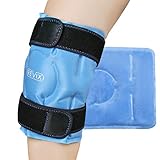
1. Wrap with built-in waist strap: Examples include the wrap-style designs sold by brands like TheraPAQ, FlexiKold, and Bodyprox-type back wraps. The gel bladder is sewn into a neoprene or plush belt. You fasten it around the waist, so it stays centered when you sit, walk to the kitchen, or recline. Coverage is typically 13 x 8 to 14 x 10 inches.
2. Oversized flat therapy pack: Examples include the vinyl-covered clinical type like Chattanooga ColPac and the fabric-covered type like Carex Bed Buddy or TheraMed-type large packs. There is no strap — you lie on it or press it with body weight. Coverage can be larger and colder, but it slides if you sit upright.
| Type | Typical size | Cold area | Frozen weight | Strap / fit | Stays pliable frozen? | |
|---|---|---|---|---|---|---|
| Large back wrap with strap | 13 x 9 in to 14 x 12 in | 117 to 168 sq in | 1.8 to 2.8 lb | Elastic strap 40 to 55 in waist | Yes, if clay-gel blend; stiff if water-based | |
| Clinical vinyl cold pack, large | 11 x 14 in to 12.5 x 18.5 in | 154 to 231 sq in | 2.5 to 4.0 lb | No strap, needs towel cover | No, holds shape, best for lying still | |
| Extra-large fabric gel pack | 12 x 15 in to 15 x 20 in | 180 to 300 sq in | 2.0 to 3.5 lb | No strap, drapes better | Partially, depends on fill | |
| Standard reusable ice pack | 6 x 10 in to 8 x 12 in | 60 to 96 sq in | 0.8 to 1.5 lb | No strap | Often stiffens solid |
The takeaway: if your main use is sitting at a desk, driving, or doing light activity, a strapped wrap solves the biggest problem with the best ice pack for lower back use — migration. If you mainly ice for 15 to 20 minutes while lying on a couch or bed, a large flat pack gives more total cold for less money, typically in the 15 to 40 dollar range for wraps and 10 to 30 dollars for large flat packs.
3 specs that predict whether it will stay put
1. Coverage area and shape
Do not go by package size alone. A 14-inch wrap may have only 11 inches of actual gel because of sewn edges and hook-and-loop panels. Check the gel bladder dimensions in the specifications. For full lower-back coverage:
- Under 90 sq in: spot treatment only, will miss one side during movement
- 110 to 170 sq in: sweet spot for most adults for lower-back coverage
- Over 200 sq in: full mid-to-lower back, but heavy and hard to strap tightly when sitting
Curved or segmented gel chambers conform better than a single large bladder. Segmented strips bend around the waist without tenting in the middle, which is what causes cold gaps over the spine.
2. Strap tension and adjustability
Strap length matters more than it sounds. A 30-inch strap that fits the pack itself may only fit waists up to 36 inches once wrapped around the gel and clothing. Look for:
- Total strap length of 45 inches or more for waists up to 40 to 44 inches
- Wide elastic (3 to 4 inches) rather than thin 1-inch straps, which dig in when sitting
- Hook-and-loop closure across the front, not just elastic pull-on, so you can adjust compression
- Neoprene backing that adds mild compression even without pulling tight
For sitting, moderate tension is better than maximum tightness. Over-tightening pushes the gel upward when you bend at the hips. Fasten it snug while standing, then sit and readjust one inch looser — that prevents the top edge from folding over a chair back.
3. Gel flexibility when frozen
Most product listings say pliable when frozen, but fills differ. Clay-based and glycerin-gel blends typically drape at 0F to 10F freezer temperatures, while plain water and cellulose packs freeze rigid. Rigid packs feel colder at first but bridge over the natural lumbar curve, leaving the area right beside the spine less cooled.
If you already own a stiff pack, you can improve contact by placing a thin hand towel between the pack and a chair and letting body weight press the lumbar curve into it for 2 to 3 minutes before tightening a wrap. Do not microwave a stiff ice-only pack to soften it unless the instructions specifically allow hot and cold use.
Which design fits your situation
| Your situation | Best choice | Why |
|---|---|---|
| Sitting 6+ hours, pain spreads side to side | Strapped wrap, 130+ sq in, elastic 45+ in | Hands-free, resists sliding when leaning forward |
| Lying down after workouts or yard work | Large flat clinical or fabric pack 11 x 14 in or larger | Maximum cold area, no straps to sit on |
| Large or tall build, over 42-in waist | Extra-long wrap or flat pack + separate back support strap | Standard straps max out; flat pack avoids fit issue |
| Need both ice and heat | Dual-purpose clay-gel wrap with fabric cover | Stays flexible for both modes, cover prevents drips |
| Sensitive skin or post-activity soreness | Fabric-covered pack with removable cover | Vinyl packs require toweling and can feel harsh |
In general market terms, wrap-style lower back packs tend to cost more because of the belt and cover, while large flat packs are simpler and cheaper per square inch of coverage. If you ice daily, having one of each is practical: the wrap for daytime sitting, the flat pack kept in the freezer for evening lying-down sessions so you always have a cold one ready.
Use and care: what wears out first
Straps and covers fail before gel does. Elastic loses tension after 6 to 12 months of daily stretching, hook-and-loop collects lint and stops holding, and vinyl outer shells can crack if folded while frozen. To extend life:
- Freeze flat, not folded, and chill for at least 2 hours before first use
- Always use the fabric sleeve or a thin towel barrier for 15 to 20 minutes at a time, then remove for at least 40 minutes
- Hand-wash covers and air-dry; do not machine-wash gel bladders
- Check seams monthly for small gel beads or sticky spots, which signal a leak — discard leaking packs
- Do not sit with full body weight directly on a vinyl pack on a hard chair; the sealed edges can split. Place it between your back and the chair instead
A common mistake is icing through clothing that is too thick or too thin. Thick fleece blocks cold transfer so you feel little effect, while bare skin increases risk of ice irritation. A single cotton T-shirt layer plus the pack’s own cover is the right barrier for most people.
Frequently asked questions
How long should I ice my lower back?
General guidance from physical therapy resources is 15 to 20 minutes per session with a barrier, once every 1 to 2 hours as needed for soreness. Remove sooner if you feel numbness, burning, or mottled skin. For ongoing or recurring pain, ask a professional for a plan tailored to you.
Is a strap really necessary?
For lying still, no. For sitting, driving, or standing, yes in practice. Without a strap, a flat pack drops as soon as you lean forward. If you buy a flat pack for chair use, tuck it between your back and a small lumbar cushion to hold it centered.
Can I get full coverage with two small packs?
Yes, placing two medium packs side by side can work, but they tend to separate. If you go this route, place both inside a single pillowcase to keep them together and maintain even spacing across the lower back.