Key takeaways
- Best Overall: Minelab X-Terra Voyager – proven brand, big Double-D coil, easy numeric display.
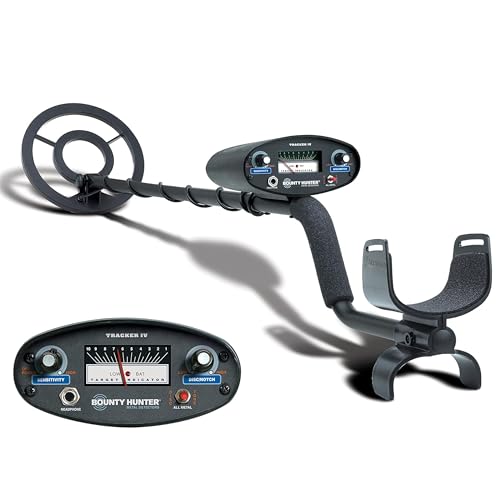
- Best Budget: Bounty Hunter TK4 Tracker IV – the classic analog starter with a waterproof 8-inch coil.
- Best Value Upgrade: Minelab X-Terra Pro – selectable frequencies and a fully waterproof body for people who plan to keep the hobby.
- Best Big-Coil Feature Set: Gbnryg 12-inch IP68 coil detector – the most coil for the money on paper, with five search modes.
- Best Foldable Pick: SAKOBS 11-inch DD coil detector – a compact, backlit-display machine for travel.
- Best for Families: GoGonova PD70 – an adult-and-kids detector that is light and easy to start with.
The best reasonably priced metal detector for most beginners is the Minelab X-Terra Voyager: it is a simple 5.82 kHz single-frequency machine with a large 11 by 8.5 inch Double-D coil, numeric target IDs and a pinpoint mode, from a brand that specializes in detectors. The runner-up is the Bounty Hunter TK4 Tracker IV, which costs roughly half as much and trades the display for two analog knobs. This guide compares six affordable metal detectors, explains what you give up at each price tier, and shows how to match a machine to the places you actually plan to search, whether that is a beach, a backyard, a park or a field. It is research-based: we did not personally use these detectors, and every spec comes from maker pages, listings and independent reviews, with anything unverified marked as not listed.
Our top picks


As an Amazon Associate we earn from qualifying purchases at no extra cost to you.
Top Picks at a Glance
- Best Overall: Minelab X-Terra Voyager – proven brand, big Double-D coil, easy numeric display.
- Best Budget: Bounty Hunter TK4 Tracker IV – the classic analog starter with a waterproof 8-inch coil.
- Best Value Upgrade: Minelab X-Terra Pro – selectable frequencies and a fully waterproof body for people who plan to keep the hobby.
- Best Big-Coil Feature Set: Gbnryg 12-inch IP68 coil detector – the most coil for the money on paper, with five search modes.
- Best Foldable Pick: SAKOBS 11-inch DD coil detector – a compact, backlit-display machine for travel.
- Best for Families: GoGonova PD70 – an adult-and-kids detector that is light and easy to start with.
Comparison Table
| Detector | Best for | Key specs | Watch for | Price tier |
|---|---|---|---|---|
| Minelab X-Terra Voyager | First serious detector | 5.82 kHz; 11 x 8.5 in DD coil; about 1.3 kg; 4 search modes; target IDs 0-99 | Only the coil is waterproof; two 9V batteries | Mid-range |
| Bounty Hunter TK4 Tracker IV | Tight budgets and simple operation | 6.6 kHz; 8 in waterproof coil; 3 modes; two analog knobs | No numeric target ID, no pinpoint mode | Budget |
| Minelab X-Terra Pro | Beach and wet ground, long-term use | Selectable single frequencies (5, 8, 10, 15 kHz); 12 x 9 in DD coil; about 1.3 kg; IP68 | Near the top of the “reasonable” range | Upper mid-range |
| Gbnryg Professional Metal Detector | Big coil on a modest budget | 12 in IP68 coil; LCD with backlight; 5 modes | Lesser-known brand; confirm support and warranty terms | Mid-range |
| SAKOBS Metal Detector | Foldable and portable searching | 11 in IP68 DD coil; backlit LCD; foldable build | Brand has less independent review history | Mid to upper mid-range |
| GoGonova PD70 | Parents and kids searching together | Waterproof coil; marketed for adults and kids; lightweight | Coil size and frequency not listed in the store title | Budget |
What “Reasonably Priced” Means for a Metal Detector
Metal detecting has a surprisingly wide price spread. Toy-grade detectors sit at the very bottom, serious entry-level machines from established makers sit in the middle, and professional multi-frequency machines can cost many times more. When people search for a reasonably priced metal detector, they usually want a machine that can find coins, jewelry and relics in everyday ground without being a toy and without a four-figure bill. That is the middle band this guide covers.
The key trade-off is quality control versus feature count. Many lower-cost, lesser-known brands list long feature lists such as “DSP chip” or “gold detector” in their titles. Those labels are marketing: the only things you can reliably judge are the coil size, the operating frequency, the display, the weight, the waterproof rating and whether the maker has a track record of support. Established makers like Minelab and Bounty Hunter publish their specs, have manuals and have decades of detectorist feedback behind them. That is why those names lead the picks below, while the newer brands are included as worthwhile alternatives with clear caveats.
1. Minelab X-Terra Voyager: Best Overall Reasonably Priced Detector
- Single frequency of 5.82 kHz, a VLF design aimed at entry-level users
- 11 by 8.5 inch Double-D coil, waterproof to about 1 meter (the coil only)
- Weight about 1.3 kg (2.8 lb) without batteries
- Four search modes: All Metal, Custom, Jewelry and Learn
- Target ID scale 0-99 with a 5-level depth gauge and 7 discrimination segments
- Runs on two 9V batteries, rated around 20 hours
Best for: a first detector that you will not outgrow in a month. Skip if: you plan to wade or hunt in surf, because only the coil is waterproof.
The Voyager’s big advantage is its readability. A numeric target ID tells you roughly what a signal is before you dig, which saves a huge amount of time in trashy ground. A Double-D coil of this size covers a wide strip with each sweep and handles mineralized soil better than a small concentric coil. At 1.3 kg it is light enough for a long afternoon.
Single-frequency detectors are straightforward: one frequency, one set of behavior. At 5.82 kHz the Voyager is tuned for a balance of coins, jewelry and general finds, though it will not be as sensitive to tiny gold as a high-frequency machine. Beginners usually benefit from that predictability. Learn mode helps you teach the detector what a junk signal looks like in your local soil, and the jewelry mode makes it easier to avoid constant iron noise.
Be aware of one reported discrepancy: some sources mention automatic noise cancellation while Minelab’s own spec sheet says noise cancel is not included. If you plan to search near power lines or alongside other detectorists, keep that in mind and leave some space between machines.
Pros: reputable brand; large DD coil; numeric target ID; pinpoint function; light body. Cons: coil-only waterproofing; runs on 9V batteries; fewer fine adjustments than a pro machine.
2. Bounty Hunter TK4 Tracker IV: Best Budget Metal Detector
- Operating frequency 6.6 kHz (one retailer lists a different figure, so check the maker’s sheet)
- 8 inch concentric waterproof coil
- Weight about 4.2 lb; adjustable shaft roughly 45 to 53 inches
- Three modes: All Metal, Discrimination and Tone Discrimination
- Two analog knobs for sensitivity and discrimination
- Two 9V batteries, not included; 5-year warranty reported
Best for: first-time hobbyists, gift buyers and anyone who wants to try detecting without a big commitment. Skip if: you want a screen with numbers and a pinpoint mode.
The TK4 is the old reliable of beginner detectors. It has no numeric target ID and no pinpoint mode, so you learn by ear: different tones indicate different kinds of metal, and you learn to read those tones as you go. Many experienced detectorists say that this is a perfectly good way to learn, because it forces you to listen. A smaller 8 inch coil also gives you better separation in trashy ground, even though it does not reach as deep as a bigger coil.
The analog design is also easy to understand. Turn up the sensitivity until the machine chatters, back it off a little, set discrimination to ignore iron if you wish, and start sweeping. There is very little to configure, and that is the point. The coil is waterproof, so shallow water and wet grass are fine, but the control box is not meant to be submerged.
Depth figures vary by source, with the maker quoting about 6 inches for coin-sized targets and some retailers quoting more. Treat any depth number as best-case in ideal soil; real-world depth depends on ground mineralization, target size and how long the item has been buried.
Pros: low cost; very simple; waterproof coil; long warranty. Cons: no target ID or pinpoint mode; smaller coil; less depth than larger-coil machines.
3. Minelab X-Terra Pro: Best Upgrade for Beaches and Wet Ground
- PRO-SWITCH selectable single frequencies: 5, 8, 10 and 15 kHz
- 12 by 9 inch Double-D elliptical coil, compatible with other coils in the same family
- Weight about 1.3 kg (2.9 lb); collapsed length around 25 inches
- IP68 rating, fully waterproof per Minelab and retailers
- Internal rechargeable lithium-ion battery
- Target ID: ferrous -19 to 0 and non-ferrous 1 to 99, with 30 discrimination segments
Best for: hobbyists ready to invest in a detector that can follow them from a park to a beach. Skip if: your budget is tight and you only want to try the hobby.
This is the top of the “reasonable” range. What you pay for is flexibility. Being able to select a frequency lets you match the machine to the ground: lower frequencies for deeper, bigger targets and higher frequencies for smaller items such as thin jewelry. Full waterproofing means you can search wet sand and shallow water without worrying about the control pod, which matters because beaches are some of the most productive places for rings and coins.
The internal rechargeable battery also removes the recurring cost of 9V cells. Some detectorists do not like built-in batteries because you cannot swap in a spare in the field, but a power bank can top it up. A 30-segment discrimination scale gives you finer control over what to ignore, which is a real advantage in ground full of bottle caps and pull tabs.
Note that one aggregator site lists different frequency and coil details than Minelab and the main retailers. Rely on the manufacturer’s specification page when comparing.
Pros: selectable frequencies; fully waterproof; rechargeable; large coil; good support and accessory ecosystem. Cons: highest price here; more settings to learn.
4. Gbnryg Professional Metal Detector: Most Coil for the Money
- 12 inch IP68 waterproof search coil per the listing
- LCD display with backlight
- 5 search modes
- Marketed as a gold and general-purpose detector for adults
- Frequency, weight and battery type: not listed in the store title
Best for: buyers who want a large coil and a backlit display at a modest price. Skip if: you care about long-term brand support, spare parts and a large community of owners.
A 12 inch coil covers more ground and generally goes deeper on larger objects than an 8 inch coil. A waterproof rating of IP68 on the coil means shallow water is not a problem. The backlight is handy at dusk and in shaded woods. Five modes suggest that the machine offers presets for different targets, though the title does not say which.
The caution is practical. Smaller brands often sell under a name that can change, with support that varies. Before you buy, read the warranty terms and look for a user manual that explains the modes. Marketing words like “professional” do not mean the machine has a professional-grade signal processor. Judge it by what is listed: a big coil, a screen, five modes and a waterproof coil.
Pros: large coil; backlit display; multiple modes; waterproof coil. Cons: less-known brand; several key specs not listed; unclear service network.
5. SAKOBS Metal Detector: Best Foldable Pick
- 11 inch IP68 Double-D coil per the listing
- Backlit LCD with target display
- Foldable, travel-friendly construction
- Marketed as a professional detector for adults
- Frequency, weight and battery: not listed in the store title
Best for: people who want to pack a detector in a car trunk or a carry bag and use it on trips. Skip if: you would rather have a brand with decades of field reports.
A Double-D coil is a good sign. It handles uneven or mineralized ground better than a basic concentric coil, which makes a difference in soil with iron content. The foldable shaft is the real selling point: many full-size detectors are awkward to transport, and a shorter pack-down length makes casual use more likely.
As with the Gbnryg, treat unlisted specs honestly. Without a frequency or weight figure you cannot compare it directly to the Minelab models. It is still a rational purchase if portability is your priority and you accept the risk of a newer brand.
Pros: DD coil; foldable; backlit screen; waterproof coil. Cons: missing spec details; less established brand.
6. GoGonova PD70: Best for Families and Kids
- Marketed for both adults and kids
- Waterproof design and lightweight body per the listing
- High-accuracy and lightweight claims in the listing title
- Coil size and frequency: not listed in the store title we verified
Best for: a parent and child searching together in a backyard or at the beach. Skip if: you want deeper searching for serious relic hunting.
Detecting is one of the better outdoor hobbies to share with children, because everyone gets to dig up a small prize. A light machine with simple controls keeps a young helper engaged and prevents arm fatigue. The PD70 is positioned in that gap between a toy and a full-size adult machine.
Keep your expectations proportionate. Machines in this tier are good for shallow coins, jewelry and metal items in loose soil, but they are not built for deep targets or highly mineralized ground. Pair it with a handheld pinpointer (see the Also Consider list) and a small digging tool, and you will get far more enjoyment out of it.
Pros: light; family friendly; waterproof design; low cost. Cons: several specs not listed; shallower performance than larger-coil adult machines.
Also Consider
- Garrett Pro-Pointer AT: a handheld pinpointer, not a full detector, but the add-on most beginners benefit from. It is listed with an 11.5 kHz operating frequency, a 9V battery and waterproof construction; retailers disagree on whether the rating is 10 or 20 feet, so check Garrett’s page.
- National Geographic Starter Metal Detector Kit for Kids: a kid-oriented kit with a 7.4 inch waterproof coil and an adjustable stem, suited to ages 8 to 12.
- SUNPOW Pinpointer: a low-cost waterproof handheld pinpointer if you want a cheaper option than the Garrett.
- Bounty Hunter Junior Metal Detector: a lightweight, adjustable detector for younger children with a 6.5 inch coil.
How We Chose
This guide is based on research, not field use. We did not personally use these products. We searched the store’s catalog of purchasable detectors, then narrowed the list to machines that serve the “reasonably priced” intent: not toys, not high-end multi-frequency models. We read Minelab’s published specifications, checked independent reviews and retailer pages for Bounty Hunter and Garrett products, and read the listing details for the less established brands. When sources disagreed (for example on the TK4’s operating frequency or the Pro-Pointer’s waterproof depth), we noted that rather than choosing a number at random.
We weighted five factors: coil size and design, brand support and documentation, waterproof rating, ease of use for a beginner, and how honest the available specifications were. Machines with detailed manufacturer data scored higher than machines where the title was mostly marketing language. We use price tiers rather than numbers because prices change often, and we mark any unlisted spec as not listed.
Buying Guide
Coil Size and Type
Coil size is the single most important physical spec. A small coil of about 6 to 8 inches separates targets better in trashy ground and is lighter. A medium coil of 10 to 12 inches covers more ground and reaches deeper on larger objects. Most beginners are well served by an 8 to 11 inch coil. Double-D designs handle mineralized soil more smoothly than concentric coils, while concentric coils can be easier to pinpoint with. If you hunt in parks, an 8 to 10 inch coil is a sensible middle ground.
Frequency
Frequency changes what the detector favors. Lower frequencies, around 3 to 8 kHz, favor larger and deeper targets and cope with mineralization. Higher frequencies, around 14 kHz and up, favor small items like thin gold chains but are noisier in bad soil. Entry-level single-frequency machines at about 5 to 7 kHz are a sensible all-purpose choice. Selectable frequency machines, like the X-Terra Pro, let you adapt, but they cost more.
Waterproofing
There are two levels: a waterproof coil only, which is fine for wet grass and ankle-deep water, and a fully waterproof body, which you need for real beach and shallow-water hunting. Be careful with the label “waterproof” in titles. Check whether it applies to the coil or the whole unit, and what depth the maker states.
Display and Discrimination
A numeric target ID shows you a number for each signal, which makes it much easier to decide whether to dig. Analog tone-only detectors are cheaper and work well once you learn the tones. Discrimination lets you ignore unwanted metals such as iron, but too much discrimination can also hide good targets. Beginners should start with light discrimination and dig more targets than they think they need.
Weight and Power
Anything under about 3 pounds is comfortable for long outings, and anything over about 4.5 pounds starts to tire your arm. Check the battery type: 9V batteries are easy to find but add a running cost, while built-in rechargeables are convenient but cannot be swapped in the field.
Beginner Mistakes to Avoid
- Chasing depth claims. Listings quote best-case figures. Soil, target size and mineralization decide real depth.
- Buying the biggest coil first. A huge coil is heavy and loses separation in trash-heavy ground.
- Skipping local rules. Many parks, beaches and historic sites restrict detecting or require permission. Always check local regulations and get landowner permission before you dig.
- Forgetting accessories. A pinpointer, a sturdy digging tool and a pouch make the hobby more productive than a few extra features on the detector.
- Setting discrimination too high. It can hide valuable items that read like junk.
Frequently Asked Questions
What is the best reasonably priced metal detector for beginners?
The Minelab X-Terra Voyager is the best all-around choice for most beginners, because it offers a large Double-D coil, a numeric target ID and a pinpoint mode from an established maker. If you need to spend less, the Bounty Hunter TK4 Tracker IV is the classic budget starter.
Are cheap metal detectors from unknown brands worth it?
They can be, especially if you want a large coil or a foldable build, but the risk is higher. Check which specs are actually listed, read the warranty terms and look for a manual. Unknown brands often list marketing terms instead of frequency and weight.
Do I need a waterproof metal detector?
Not for most park and backyard use. A waterproof coil is enough for wet grass and shallow water. If you want to search beaches and surf, look for a fully waterproof body such as the X-Terra Pro’s IP68 rating.
How deep can an affordable metal detector find things?
It depends on the target and the soil. A coin may be detectable several inches down in good ground, while larger objects can be found deeper. Treat listing numbers as best-case and expect less in mineralized or compacted soil.
Is a pinpointer necessary?
It is not required, but it is the most helpful accessory. A pinpointer like the Garrett Pro-Pointer AT narrows the exact location of a target in the hole, so you dig a smaller plug and finish faster.
Can kids use these detectors?
Some of them, yes. The GoGonova PD70 is marketed for both adults and children, and dedicated kids’ detectors exist for smaller users. Supervise children and make sure they understand local rules about where digging is allowed.
Where can I use a metal detector legally?
Rules vary by country, state and site. Many public parks, beaches and protected sites have restrictions, and private property requires permission. Check local regulations before you start.
Which One Should You Buy?
If you want one detector that balances cost, features and brand support, buy the Minelab X-Terra Voyager. If your priority is paying as little as possible for a proven design, the Bounty Hunter TK4 Tracker IV is the place to start. If you already know you will keep searching and want beach capability, the Minelab X-Terra Pro is worth the step up. If you value a large coil or a foldable frame and accept a less established brand, the Gbnryg and SAKOBS machines are the options to compare, and the GoGonova PD70 suits families who want something light to share.
Whichever you choose, add a pinpointer, learn the tones of your machine in a patch of your own yard, and always check local rules before you dig. A modestly priced detector used with patience will find more than an expensive one used carelessly.
Sources
- Minelab X-Terra Voyager and X-Terra Pro technical specifications
- Bounty Hunter TK4 Tracker IV product information and retailer specifications
- Garrett Pro-Pointer AT product information
- Independent detectorist review sites covering entry-level machines
- Store listing details for Gbnryg, SAKOBS and GoGonova detectors
Last updated: October 2026