Key takeaways
- FG (firm ground): Molded studs for natural grass that is dry to normal.
- SG (soft ground): Longer, often metal-tipped studs for wet, muddy fields; check league rules.
- AG (artificial grass): Shorter, more numerous studs designed for synthetic turf with rubber infill.
- MG (multi-ground): Studs designed for both natural and artificial surfaces.
- TF (turf): Low rubber nubs for hard artificial turf and training surfaces.
- IC (indoor court): Flat rubber outsole for indoor courts and gyms.
For most players, the Nike choice comes down to three lines: Mercurial for speed and a snug fit, Phantom for passing, receiving and close control with a more generous fit, and Tiempo for a soft, comfortable touch and a roomier shape. A fourth name, Premier, is a traditional leather-style boot that suits recreational players who want a classic feel, although Nike’s current soccer cleat listing shows only the first three lines and treats Premier as a previous-generation name. This guide matches each line to a player type, explains the upper materials and surface codes, and compares Nike with adidas and Puma.
Our top picks


As an Amazon Associate we earn from qualifying purchases at no extra cost to you.
Nike Soccer Cleat Lineup at a Glance
Nike’s current soccer cleat listing shows the Mercurial Superfly 11 and Vapor 17, the Phantom 6 (Low and High Elite, Pro, Academy and Club tiers) and the Tiempo Maestro Elite, Ligera Pro and Maestro Academy, plus indoor Streetgato and Reactgato models. Retailer and review sites such as FootballBoots and Pro Soccer add that the Elite, Pro and Academy tiers use different uppers and prices, with Elite closest to what pros wear.
| Line / model | Best for | Key stated specs | Notable limits |
|---|---|---|---|
| Mercurial Superfly 11 | Wingers, forwards, fast attackers | Current model on Nike’s listing in Elite, Pro and Academy tiers; upper material as described by reviewers (FlyWeave Ultra on the Elite); snug, sock-like fit; FG and AG options | Narrow to medium fit; reviewers say the new upper needs time to judge versus the earlier Gripknit-based Superfly 10 |
| Mercurial Vapor 17 | Players who want the Mercurial feel in a lower-cut style | Current model on Nike’s listing in Elite and Pro tiers; knit upper described by reviewers as Atomknit; snug fit | Same narrow-leaning fit; thin upper offers little padding |
| Phantom 6 | Central midfielders, playmakers, strikers who value touch | Current model on Nike’s listing in Low and High Elite, Pro, Academy and Club tiers; Gripknit upper on the Elite per reviewers; off-center lacing; FG, AG, MG and TF variants across tiers; upper materials differ by tier, so check the product page | Premium tier at Elite level; long passing scored lower than touch by FootballBoots |
| Tiempo Maestro Elite | Comfort-first midfielders and defenders | Current model on Nike’s listing; TechLeather upper per reviewers, described as softer than natural leather; wide fit per FootballBoots | Heavier feel than Mercurial; less aggressive for speed play |
| Tiempo Ligera Pro and Maestro Academy | Club and recreational players who want the Tiempo feel for less | Both are listed among Nike’s current Tiempo models (Ligera Pro in FG and turf versions, Maestro Academy in multi-ground) | Lower-tier materials than the Elite |
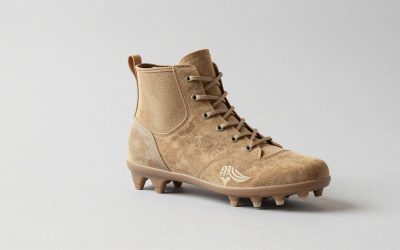
| Premier | Defenders and recreational players wanting a traditional leather boot | Soft leather upper with a fold-over tongue and conical studs, according to Pro Soccer | Not shown on Nike’s current soccer cleat listing; treat as a previous-generation or limited-availability model |
Mercurial: Speed First
Nike describes the Mercurial as built for pace and continuous ball contact, aimed at forwards and wide midfielders. Reviewers describe the Superfly 11 as using FlyWeave Ultra and the Vapor 17 as using a knit upper, and both carry the snug, sock-like fit that Mercurials are known for. FootballBoots calls the fit narrow to medium and scores the Superfly 11 well overall. It also notes that the previous Superfly 10 had Gripknit, which players trusted quickly, while the newer upper will take players longer to evaluate.
The Mercurial suits players with narrow to average feet who sprint, change direction and attack space. It is a weaker match for defenders who value padding and for players with wide feet, who often find the toe box tight. Players moving between brands should try a half size up if the boot feels cramped, but check return policies because boots stretch little at the toe.
Phantom: Touch and Precision
Reviewers describe the Phantom 6 as built around Gripknit on the top-tier version, with off-center lacing and a textured surface. Nike says it is for central midfielders and playmakers who rely on accuracy. FootballBoots notes that the Phantom spreads grip across the whole upper, unlike boots that concentrate texture in the striking zone, and rates receiving under pressure as its strongest trait, with long passing scored lower. A season-long review by Pro Direct reported consistent behavior on wet, heavy pitches and structured Gripknit that did not separate from the plate, with one tear near the top lace hole.
Nike offers the Phantom in several surface types, including FG, AG, MG and TF, which makes it one of the more flexible lines for players who rotate between grass, artificial turf and indoor courts. Fit is described as more generous than the Mercurial, so many wider-footed players choose it.
Tiempo: Comfort and a Soft Touch
Reviewers say the Tiempo Maestro Elite uses TechLeather, described as softer than natural leather and adapting to the foot. FootballBoots lists it as the most comfortable Nike boot and notes a wide fit. Nike’s current Tiempo roster includes the Maestro Elite, Ligera Pro and Maestro Academy, plus indoor Streetgato and Reactgato models, giving options across tiers. Pro Soccer says Tiempo suits midfielders, defenders and players who want supportive construction and a roomier shape.
The trade-off is feel: the Tiempo is not marketed as the lightest or fastest boot. Players who value ball feel over weight, or who play many matches per week and want less foot fatigue, often favor it.
Premier: The Classic Option
Pro Soccer describes the Premier as a traditional boot with a soft leather upper, a fold-over tongue and conical studs, aimed at defenders, midfielders and recreational players who want a familiar leather feel. Nike’s current soccer cleat listing does not show a Premier line, so treat it as a previous-generation or limited-availability product and verify stock before planning around it.
Surface Codes Explained
- FG (firm ground): Molded studs for natural grass that is dry to normal.
- SG (soft ground): Longer, often metal-tipped studs for wet, muddy fields; check league rules.
- AG (artificial grass): Shorter, more numerous studs designed for synthetic turf with rubber infill.
- MG (multi-ground): Studs designed for both natural and artificial surfaces.
- TF (turf): Low rubber nubs for hard artificial turf and training surfaces.
- IC (indoor court): Flat rubber outsole for indoor courts and gyms.
Using FG cleats on artificial turf can increase stud pressure and, according to many coaches, joint stress. When a league plays mostly on synthetic fields, an AG or MG model is usually the safer choice. Follow your league or referee rules about stud types.
Sizing and Fit Advice
- Mercurial runs narrow to medium; try half a size up if you are between sizes or have a wide forefoot.
- Phantom is described as more generous, so many players go true to size.
- Tiempo is roomier and often suits wide feet.
- Leave about a thumb width of room at the toe, wear match socks when trying on, and lace fully to check heel lock.
- Knit uppers generally stretch less than leather; leather uppers like TechLeather tend to mold more over time.
Who Should Buy and Who Should Skip
Buy Nike if
- You want a clearly defined line for a playing style: pace, touch or comfort.
- You switch between natural and artificial surfaces and want a model with several outsole options (Phantom, Tiempo).
- You want pro-level looks and technologies and accept premium tier prices at the top end.
Skip or choose another brand if
- You have wide feet and find Mercurial too narrow, and you do not want to switch to Phantom or Tiempo.
- You want a heavily padded, structured boot for long matches at a budget price; entry-level models from other brands may fit better.
- You are a youth player growing quickly; buying mid-tier or Academy models avoids overspending.
How Nike Compares with Other Brands
- adidas: Its Predator is structured and grip-focused, F50 is lighter and more direct, and Copa is a soft leather-style touch boot. Reviewers often pair Mercurial with F50, Phantom with Predator and Tiempo with Copa.
- Puma: The Future and Ultra lines target creative playmaking and speed. Puma boots are often described as having a narrower, locked-down feel in some lines, though fit varies by model.
- Mizuno: Known for premium leather boots such as the Morelia, which suit players who prioritize leather quality and comfort over technology.
- New Balance: Offers Furon and Tekela lines that compete on speed and touch with a distinct fit profile.
Fit usually matters more than brand marketing. A boot that suits your foot shape and position will usually serve better than a flagship that does not.
Care and Common Issues
- Knock off mud after matches, wipe uppers with a damp cloth and let boots dry at room temperature, not on radiators.
- Stuff with paper to maintain shape and absorb moisture.
- Check studs for wear, especially on synthetic turf, which erodes molded plates faster.
- Break in new boots with short sessions. Reviewers note that Elite uppers may take a few sessions to settle.
- Watch for lace-area wear; one reviewer reported a tear near the top lace hole on a Phantom after a full season.
- Rotate pairs if you play several times per week so the foam and upper can recover.
Decision Table: Pick X If…
| Pick | If you… |
|---|---|
| Mercurial Superfly 11 | Play wide or up front, rely on pace and have narrow to medium feet |
| Mercurial Vapor 17 | Want the Mercurial speed feel in a lower-cut shape |
| Phantom 6 | Play central midfield, value receiving and passing grip and want a roomier fit |
| Tiempo Maestro Elite | Prioritize comfort, a soft touch and a wide fit |
| Tiempo Ligera Pro or Maestro Academy | Want Tiempo comfort at a lower tier for club or recreational play |
| Premier | Prefer a traditional leather boot and can find it in stock |
| AG or MG outsole | Play mostly on artificial turf fields |
Frequently Asked Questions
Which Nike cleat is best for wide feet?
Reviewers generally describe Tiempo as the roomiest line and Phantom as more generous than Mercurial. FootballBoots lists a wide fit for the Tiempo Maestro Elite. Mercurial is snug and best for narrow to medium feet.
What is the difference between Elite, Pro and Academy?
Elite is the top tier with the most advanced materials, while Pro, Academy and Club tiers use different uppers and are usually less expensive. Nike’s Phantom 6 listing spans Elite, Pro, Academy and Club versions, with upper materials differing by tier. Many recreational players find mid-tier models perform well for the money.
Can I wear FG cleats on artificial turf?
Many players do, but coaches often advise AG or MG cleats on synthetic fields because their stud patterns spread pressure better. FG studs can grip too hard on some turf. Check your league rules and the surface type before choosing.
Are Nike Mercurial cleats good for defenders?
They can work, but Nike markets them to forwards and wide midfielders. Defenders who want padding and a roomier fit often prefer Tiempo or a Phantom. Comfort over a long match usually matters more than the lightest weight.
How long do soccer cleats last?
Lifespan depends on how often you play, the surface and how you care for them. Synthetic turf and wet fields wear soles and uppers faster. Rotating pairs, drying them properly and replacing worn studs can extend life.
Is the Nike Premier still available?
Pro Soccer lists a Premier with a leather upper, but Nike’s current soccer cleat listing does not show it, so it is best treated as a previous-generation model. Availability varies by retailer and region, so check stock and tier before deciding. If it is unavailable, the Tiempo line offers a similar comfort-first approach.