Key takeaways
- For many first-time buyers, the Garmin Approach R10 is a sensible starting point if the room has enough radar runway and estimated data is adequate. Pick the Rapsodo MLM2PRO if its camera-assisted features and current software terms suit your routine. For a permanent indoor bay…
Best Golf Launch Monitors: Quick Picks by Practice Setup
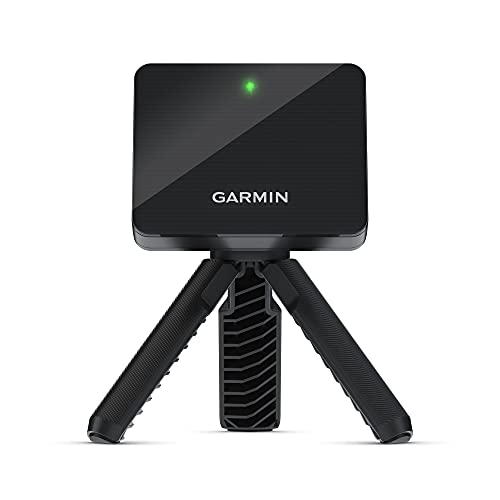
The best golf launch monitors depend on where you practice: choose the Garmin Approach R10 for an affordable portable setup, the Bushnell Launch Pro for detailed camera-based data in a dedicated hitting area, or the Foresight Sports GC3 for a premium unit that can move between home and outdoor practice.
Those picks reflect a trade-off, not a universal accuracy ranking. Radar devices need room to track the ball; photometric units read the ball near impact and generally suit tighter indoor spaces. Before buying, compare the specific metrics you need, the simulator software you plan to use, and the full cost of any required or optional subscriptions.
Our top picks



As an Amazon Associate we earn from qualifying purchases at no extra cost to you. Ratings are shown as listed on Amazon.
At-a-Glance Comparison
| Model | Tracking method | Approx. size and weight | Battery | Indoor space consideration | Typical price range |
|---|---|---|---|---|---|
| Garmin Approach R10 | Doppler radar | 3.5 × 2.8 × 1.1 in; about 5.2 oz | Up to 10 hours, depending on use | Manufacturer guidance calls for roughly 8 ft from unit to ball and 8 ft from ball to net | About $500–$700 |
| Rapsodo MLM2PRO | Radar plus camera | About 6.5 × 3.5 × 1.2 in; about 10 oz | About 4 hours | Needs room behind and in front of the ball; allow roughly 8 ft each way as a practical starting point | About $700–$900 |
| Bushnell Launch Pro | Three-camera photometric system | About 12 × 6 × 6 in; about 5 lb | Plug-in operation | Compact ball-to-device spacing, but allow safe swing clearance and room for a screen or net | About $2,000–$4,000, depending on package |
| Foresight Sports GC3 | Three-camera photometric system | About 12 × 6 × 6 in; about 5 lb | Up to about 7 hours | Compact ball-to-device spacing; still needs a safe hitting zone and impact screen or net | About $7,000–$8,000 |
Dimensions, runtime, package contents, and prices can vary by version and retailer. Treat the listed indoor distances as planning guidance, then confirm the current manufacturer setup instructions before building a permanent enclosure.
How the Main Differences Affect Your Choice
Accuracy depends on conditions and the metric
Radar tracks ball flight and estimates some values from that flight. It benefits from adequate space and careful alignment; a cramped garage or mispositioned unit can undermine readings, particularly for short shots. Camera-based units capture the ball and club around impact, which can be convenient indoors and can provide direct impact measurements. They still require correct ball placement, lighting, and clean camera views. No launch monitor is equally reliable for every club, shot, and data point.
For a home net, prioritize repeatable carry distance, ball speed, launch direction, and club data you will actually use. If you mainly want to see whether your carry distances are consistent, paying extra for a long list of spin and club metrics may not improve your practice. If you are tuning face or path, check exactly which club-delivery numbers are included at the device’s current software tier.
Data and software are not the same thing
The Garmin Approach R10 reports core ball-flight measures such as ball speed, launch angle, and estimated carry, with club data and simulator features available through its app ecosystem. The Rapsodo MLM2PRO combines radar and camera tracking; its expanded spin and impact features depend on compatible equipment and software. The Launch Pro and GC3 capture a more extensive set of ball and club measurements, but which numbers, simulation modes, and export options are available depends on the product version, software, and paid plan.
Check compatibility before purchase rather than assuming that a monitor works with every simulator. Garmin, Rapsodo, Bushnell, and Foresight each have their own software arrangements, and third-party support can be model-, platform-, or subscription-specific. Confirm the current supported computer or phone, operating system, and simulator title, plus whether the price includes an active license.
Choose by Room, Budget, and Practice Habits
| Your situation | Best fit | Why—and what to check |
|---|---|---|
| Occasional practice, limited budget, indoor/outdoor use | Garmin Approach R10 | Portable and relatively affordable. Measure the radar-to-ball and ball-to-net distances before buying. |
| You want a portable radar unit with camera-assisted features | Rapsodo MLM2PRO | Offers a broader feature set than a basic entry-level monitor. Check subscription requirements and the compatible ball or setup needed for particular measurements. |
| Frequent home practice in a compact, fixed bay | Bushnell Launch Pro | Camera tracking can suit a shorter indoor layout. Compare the included data and simulation access against the current plan cost. |
| Frequent use, premium budget, indoor and range sessions | Foresight Sports GC3 | A portable photometric unit with an onboard display and battery. Verify which software package and simulation features are included. |
For a radar monitor, measure from the intended device position to the ball, then from the ball to the net. If you cannot meet the manufacturer’s distances, a camera-based unit may be the more practical choice. For any setup, leave enough side and overhead clearance for a full swing; a monitor’s short ball-to-device spacing does not make a low ceiling safe.
What the Subscription Can Add to the Real Cost
Hardware price is only one part of ownership. Some features are available without a recurring fee, while advanced data, video, simulator courses, or online play may require a subscription, one-time software purchase, or compatible computer. Plan terms and bundles change, so check the manufacturer’s current pricing and license conditions before choosing a model. Do not compare an entry price that excludes simulation with a bundle that includes a year of software as if they were equivalent.
Use this calculation to compare options:
Three-year cost per practice session = (hardware price + setup costs + three years of required subscriptions) ÷ expected sessions over three years.
For example, a $600 monitor used twice a week for three years gives about 312 sessions. With no paid plan, that is roughly $1.92 per session before net, mat, or device costs. If a $200-per-year plan is required, the total becomes $1,200, or about $3.85 per session. This is an illustration, not a quote for any specific product. Substitute the current price and the subscription you actually need.
Also budget for a stable hitting mat, net or impact screen, and a phone or computer if your chosen simulator requires one. A worn mat can make practice uncomfortable and inconsistent; a net needs regular inspection for fraying, loose anchors, or impact damage. Keep camera lenses clear with a soft cloth, protect portable units from moisture and impact, and follow the maker’s guidance for battery charging and storage.
Bottom Line
For many first-time buyers, the Garmin Approach R10 is a sensible starting point if the room has enough radar runway and estimated data is adequate. Pick the Rapsodo MLM2PRO if its camera-assisted features and current software terms suit your routine. For a permanent indoor bay where space and direct impact measurement matter, compare the Bushnell Launch Pro and Foresight GC3 by the exact data tier, included software, and three-year cost—not hardware price alone.