Key takeaways
- Try them on with wraps. Wraps take up room and change how firmly the glove holds your hand. A glove that fits bare hands may pinch or feel unstable once wrapped.
- Check the fist position. Your fingers should curl naturally, without being forced flat or crammed against the glove’s end. The thumb should rest comfortably alongside the fist rather than being pulled sharply inward.
- Test the closure. A hook-and-loop strap is quick to adjust and convenient for solo training. Lace-up gloves can offer a close fit but typically need another person to tie them; lace-up designs are less practical when you train alone.
- Look for movement at the wrist. Fasten the glove snugly and move your hand through a few controlled motions. Excessive shifting or a loose cuff suggests a poor fit. Wrist support depends on fit and construction, not just a long strap.
- Inspect airflow. Ventilated palms or moisture-managing linings can help reduce trapped sweat, but no glove stays dry during a hard session. Airflow should not come at the expense of secure stitching or a comfortable hand compartment.
Best Boxing Gloves for Training, Sparring, and Competition
The best boxing gloves depend on what you’ll do most: choose 12–16 oz gloves for everyday bag and pad work, 14–16 oz with softer, evenly distributed padding for sparring, and competition-approved gloves in the weight and style specified by your sanctioning body. For most beginners buying one pair, 14 or 16 oz training gloves offer the most practical compromise—provided the fit works with your hand wraps.
Start with the job, not the brand
Glove weight is measured in ounces, but it does not guarantee a particular fit or identical padding across brands. Heavier gloves generally add material and can be useful for training and sparring; they may also feel bulkier. Competition gloves follow event rules, which can specify weight, closure, padding, and approved models. Don’t assume your training gloves are legal for a bout.
Our top picks

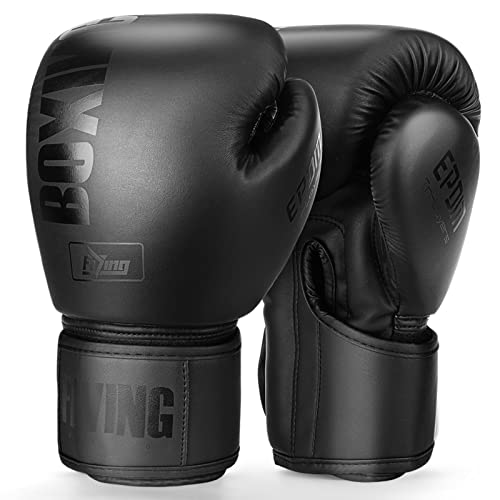
As an Amazon Associate we earn from qualifying purchases at no extra cost to you. Ratings are shown as listed on Amazon.
Padding material affects feel and wear. Common constructions include layered foam and injected or molded foam; some gloves combine foam types. Labels don’t reliably tell you how protective or durable a glove will be, so look for clear product specifications, secure construction, and a fit you can try on or return if needed. Horsehair padding is associated with some competition gloves, but it compresses differently from many training foams and is not a default choice for routine sparring.
Quick comparison by use
| Situation | Starting weight | What to look for | Best choice for most buyers |
|---|---|---|---|
| Heavy-bag work | 12–16 oz | Secure wrist closure, durable palm and seams, padding suited to repeated impact | 12–14 oz for a snug, less bulky feel; 14–16 oz if you also do general training |
| Focus mitts and mixed training | 12–16 oz | Comfortable fist position, stable thumb, easy-to-close cuff | 14 oz as a versatile starting point |
| Technical sparring | 14–16 oz, subject to gym rules | Soft, even knuckle padding; secure fit; no exposed or damaged seams | Use the weight and glove type your coach or gym requires |
| Competition | Often 8–10 oz, but rules vary | Approved model, closure and padding; event-specific certification | Confirm the exact rules with the organizer before buying |
These are starting points, not universal standards. Body size, hand dimensions, discipline, gym policy, and competition rules can all change the right choice. In particular, don’t select lighter sparring gloves just because they feel faster: the other person’s safety and the gym’s rules matter.
Best picks by situation
One pair for a new boxer: versatile 14 oz training gloves
If you’re learning and expect to rotate between bags, pads, and general classes, start by trying on a 14 oz training glove. It can be a useful middle ground for people who find 16 oz gloves too bulky but still want more coverage than a lighter bag-focused pair. If your gym requires 16 oz for sparring, buy that weight instead—or plan on a separate sparring pair. A second pair avoids asking one glove to meet conflicting needs.
Frequent bag sessions: 12–14 oz bag or training gloves
For mostly bag and mitt work, a properly fitted 12 or 14 oz glove can feel less cumbersome during combinations. Prioritize snug hand placement, a thumb that sits naturally, and a wrist closure that doesn’t loosen as you move. A bag-oriented glove should not automatically be used for partner sparring: some models have firmer or more compact padding that may not suit contact with another person.
Regular sparring: a dedicated 14–16 oz pair
Choose the weight your gym requires and favor a glove designed for sparring, with padding distributed across the knuckles rather than a hard, narrow striking surface. Ask your coach whether your gym prefers a specific construction or closure. Keep these gloves separate from bag work when possible; repeated bag impacts can compress sparring padding faster, while worn or uneven padding can make a glove unsuitable for partner work.
Competition: buy to the rulebook
Competition gloves are not a personal-preference substitute for training gloves. The allowable weight, model, fastening system, and padding can depend on the event, age group, governing body, and competition format. Confirm the required specification with the organizer, then check that the exact model is approved. Don’t rely only on a product page’s broad claim that a glove is “competition style.”
Fit, wrist support, and ventilation: the checks that prevent a bad buy
- Try them on with wraps. Wraps take up room and change how firmly the glove holds your hand. A glove that fits bare hands may pinch or feel unstable once wrapped.
- Check the fist position. Your fingers should curl naturally, without being forced flat or crammed against the glove’s end. The thumb should rest comfortably alongside the fist rather than being pulled sharply inward.
- Test the closure. A hook-and-loop strap is quick to adjust and convenient for solo training. Lace-up gloves can offer a close fit but typically need another person to tie them; lace-up designs are less practical when you train alone.
- Look for movement at the wrist. Fasten the glove snugly and move your hand through a few controlled motions. Excessive shifting or a loose cuff suggests a poor fit. Wrist support depends on fit and construction, not just a long strap.
- Inspect airflow. Ventilated palms or moisture-managing linings can help reduce trapped sweat, but no glove stays dry during a hard session. Airflow should not come at the expense of secure stitching or a comfortable hand compartment.
Durability and ownership: what wears first
With regular use, the lining and palm can retain sweat and odor; seams, hook-and-loop closures, and the outer material can also wear. Padding may flatten or develop uneven spots, particularly when one pair is used for every activity. A durable-looking exterior does not guarantee that the internal padding will keep its shape.
After training, open the gloves fully, remove hand wraps, and let both dry in a ventilated place. Wipe the exterior with a soft cloth and follow the manufacturer’s cleaning instructions; avoid soaking or applying harsh cleaners unless the care label permits it. Don’t leave gloves zipped in a gym bag or place them directly on a heater. Wash and dry wraps between sessions, since they absorb much of the sweat that would otherwise stay inside the glove.
Replace a pair when the padding has visibly collapsed or shifted, the wrist no longer stays secure, or the lining, seams, or closure are failing. A simple ownership calculation can help: if a $100 pair lasts 100 sessions, that is $1 per session before cleaning supplies or replacement wraps. If dedicated bag and sparring pairs each last longer because they are used for their intended purpose, the higher initial cost may be worthwhile.
How to make the final choice
- Training once or twice a week, mostly on bags: Compare 12–14 oz training gloves that fit comfortably over wraps; choose a different pair if you begin sparring and your gym requires it.
- Training several times weekly with sparring: Budget for separate bag and sparring gloves if possible. Follow the gym’s sparring weight and prioritize even, suitable padding.
- Buying on a tight budget: A well-fitting general training glove from an established boxing brand is a more useful first purchase than paying extra for decorative features. Check the return policy, because fit is difficult to judge from weight alone.
- Preparing for a bout: Ask the event for its approved specifications before spending money on competition gloves.
In short, match the glove to the session, try it on with wraps, and treat weight as only one part of the decision. Fit, padding condition, wrist stability, and your gym’s rules are what turn a plausible pair into the right one.