Key takeaways
- FG (firm ground): For natural grass in dry to normal conditions.
- SG (soft ground): Longer studs for wet, soft pitches; Predator offers SG options according to Cleats Hub.
- AG (artificial grass): More numerous, shorter studs for synthetic fields.
- TF (turf): Rubber nubs for hard artificial turf and training.
- IN (indoor): Flat soles for courts and gyms.
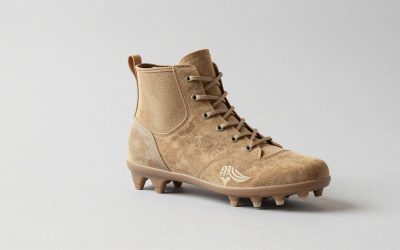
For most players, the adidas choice is simple: Predator for midfielders, ball-playing defenders and set-piece takers who want grip and a structured, slightly wide fit; Copa for players who want a soft, leather-style touch and comfort; and F50 for wingers and strikers who want the lightest, most direct boot. All three lines come in Elite, Pro, League and entry-level Club tiers, and in outsoles for firm ground, artificial grass and other surfaces. This guide explains how the three differ in fit, upper materials and weight, and how adidas compares with Nike and Puma.
adidas Soccer Cleat Lineup at a Glance
Current reviews from FootballBoots, Cleats Hub and Premium Soccer describe the 2026 range as the Predator (sometimes called Predator 26), the F50 and the Copa Pure IV (also written Copa Pure 4). Copa Pure 4 launched in September 2025 and the Copa Pure 3 is the previous generation. Some trade coverage describes Copa Pure 4 as the last Copa Pure before a redesign, but that is reported expectation rather than an adidas announcement. Weights and prices below are brand-listed or reviewer-reported and can change by colorway and tier.
| Line / model | Best for | Key stated specs | Notable limits |
|---|---|---|---|
| Predator Elite (2026) | Central midfielders, ball-playing defenders, set-piece specialists | Nanostrike+ textile upper with Primeknit collar; about 230 g per shoe per Cleats Hub; Strikeframe plate with Powerspine midfoot support; FG, SG and AG options | Reviewers say the touch is thinner than earlier Predators, lockdown is average, and break-in takes 30 to 45 minutes |
| F50 Elite | Wingers, strikers, speed-focused players | Thin, close-fitting upper; laced Elite about 179 g per FootballBoots; adjustable lace tension; Speedsystem+ underneath per retailer descriptions | Snug, sometimes narrow fit; caution advised for wide feet |
| Copa Pure IV Elite | Touch-oriented midfielders and players who value comfort | Fusionskin upper with calfskin in the forefoot; about 210 g, true to size per adidas as reported by Cleats Hub | Forefoot break-in of 30 to 45 minutes; padded-to-thin midfoot transition can feel abrupt; some buyers report it runs narrow |
| Copa Pure 3 Elite | Shoppers hunting a previous-generation Copa | Fusionskin with genuine calfskin forefoot; released in January 2025 | Previous generation; being replaced by Copa Pure IV |
| Pro and League tiers (all lines) | Club and recreational players | Same design identity with simpler materials (Club is the entry tier) | Less refined uppers and heavier build; FootballBoots says the Predator Pro keeps most of the character of the Elite |
Predator: Control and Structure
Premium Soccer describes the Predator as the choice for players who prioritize ball control and striking precision, with a secure, stable construction. Cleats Hub lists the Predator 2026 Elite as using Nanostrike+ textile with a Primeknit collar, weighing about 230 g, with a true-to-size fit that is slightly wide. Its strengths include control emphasis, a lightweight build and reliable lateral midfoot stability. The weaknesses are a thinner touch than earlier Predators, only passable lockdown and a 30 to 45 minute break-in.
FootballBoots adds that the Predator Elite’s comfort out of the box is limited by a stiff textile mesh and that wet-weather grip is not its strongest point, while NanoStrike+ is most convincing when dry. The same source says the Pro keeps most of the character for less money, which makes the Pro a sensible pick for many club players. Predator is not a speed boot; it favors tempo control, passing and set pieces.
F50: Lightweight and Direct
The F50 has returned as adidas’s speed line. Premium Soccer describes it as lightweight, with Sprintweb 3D texture and a compression fit tunnel tongue, available in laced and laceless options. FootballBoots says the Elite upper is thin and close to the foot, keeping contact clean and predictable, with lace tension that lets you loosen the forefoot while tightening the midfoot or keeping the heel secure. It lists the laced Elite at about 179 g.
The fit is the main caution. FootballBoots reports recent owner comments that the Elite feels too narrow for genuinely wide feet, and Cleats Hub describes a snug, sometimes narrow fit. Lockhart Boot Blog reviewed the F50 Messi Elite (2026) and found its Hybridtouch+ upper soft and pliable, taking about 30 minutes to feel ready, and said most people should go with their normal size. Fit therefore varies by version, and trying the boot on is worthwhile.
Copa: Comfort and Touch
The Copa Pure IV Elite is adidas’s touch-first option. Premium Soccer summarizes it as Fusionskin with a soft leather-style forefoot and an anatomical sockliner, lightweight with a Comfort Frame outsole. FootballBoots notes calfskin in the forefoot, with 30 to 45 minutes of break-in and a forefoot-to-midfoot transition that can feel jarring. It advises confirming heel fit before choosing the Pro over the Elite. Cleats Hub praises forefoot touch but flags a slightly narrow fit and average durability, and retail customer reviews on sizing are mixed, with several saying it ran small or narrow.
Copa suits midfielders and technical players who want a connected, natural feel and an experience closer to traditional leather boots. Players who need maximum speed or a very wide fit may prefer another line.
Understanding Surfaces
- FG (firm ground): For natural grass in dry to normal conditions.
- SG (soft ground): Longer studs for wet, soft pitches; Predator offers SG options according to Cleats Hub.
- AG (artificial grass): More numerous, shorter studs for synthetic fields.
- TF (turf): Rubber nubs for hard artificial turf and training.
- IN (indoor): Flat soles for courts and gyms.
Choose the surface code that matches where you play most, and check your league rules about stud types. Wearing FG studs on artificial turf is common but many coaches prefer AG or TF for that surface.
Sizing and Fit Advice
- Predator is described as true to size and slightly wide, suiting medium to wide feet.
- F50 is snug; players with wider feet should try before buying, and some may need half a size up.
- Copa Pure IV is listed as true to size but several buyers report it runs narrow, so test the forefoot width.
- Try boots with match socks late in the day when feet are slightly larger.
- Leave a thumb width of space at the toe and check heel lock with a few sprints and cuts.
Who Should Buy and Who Should Skip
Buy adidas if
- You want a clear split between control (Predator), speed (F50) and touch (Copa).
- You value a lightweight Elite boot, especially in the F50.
- You are shopping at the Pro tier and want pro-style design for less.
Skip or choose another brand if
- You have very wide feet and find the F50 and Copa too tight.
- You want a cushioned, forgiving boot out of the box; reviewers note break-in on several adidas Elite models.
- You play mostly in wet conditions and need maximum grip from a textile upper; FootballBoots criticizes the Predator Elite’s wet-weather grip.
How adidas Compares with Other Brands
- Nike: Reviewers often pair Mercurial with F50, Phantom with Predator and Tiempo with Copa. Nike’s Mercurial is generally described as a snug speed boot, Phantom as a control and passing boot, and Tiempo as a leather-style touch boot.
- Puma: Its Future line targets creative attackers and Ultra targets speed. Fit varies by model, so compare it by position and foot shape.
- Mizuno: Known for premium leather boots, a good alternative to Copa for players who want a traditional feel.
- New Balance: Offers Furon and Tekela boots that compete with F50 and Copa-style touch.
Care and Common Issues
- Clean mud with a brush and damp cloth, avoid soaking, and dry boots away from direct heat.
- Calfskin and leather-style forefoots benefit from occasional conditioner if the maker advises it; follow the care instructions provided.
- Plan for the break-in period reviewers mention on Elite models. Wear new boots in training before a match.
- Inspect studs and soleplate edges, especially on artificial turf.
- Textile uppers can feel thin; consider thicker socks if the touch feels sharp on shots.
Decision Table: Pick X If…
| Pick | If you… |
|---|---|
| Predator Elite | Play midfield or center back, take set pieces and have medium to wide feet |
| Predator Pro | Want most of the Predator character at a lower tier |
| F50 Elite | Want the lightest boot for pace and have narrow to medium feet |
| Copa Pure IV Elite | Value forefoot touch and comfort and can tolerate a break-in |
| Copa Pure 3 | Find a previous-generation pair that fits you well |
| League tier of any line | Are a newer, recreational or youth player who needs a basic, durable boot (Club is cheaper still) |
Frequently Asked Questions
Which adidas cleat is best for midfielders?
Predator and Copa are the usual midfield choices. Predator emphasizes control and grip with a structured fit, while Copa emphasizes soft touch and comfort. The better pick depends on whether you want grip or a leather-like feel.
Is the F50 too narrow for wide feet?
FootballBoots reports recent owner comments that the F50 Elite feels too narrow for genuinely wide feet, and Cleats Hub calls the fit snug. A reviewer of the F50 Messi Elite found the Hybridtouch+ upper pliable enough for most people, so fit can vary by version. Trying a pair on is the safest approach.
How long does it take to break in adidas Elite cleats?
Reviewers report about 30 to 45 minutes for the Predator Elite and Copa Pure IV Elite forefoot, and around 30 minutes for the F50 Messi Elite. Break-in time depends on your foot and playing surface. Use new boots in training before match day.
Is the Predator Pro worth it over the Elite?
FootballBoots says the Pro keeps most of the Predator’s character for much less money. Elite boots use lighter, more refined materials, but many club players will not notice the gap. Choose Elite if low weight and top-tier materials are important to you.
Is Copa Pure 3 still worth buying?
Copa Pure 3 is the previous generation, replaced by Copa Pure IV. It uses a Fusionskin upper with calfskin in the forefoot and can still be a good fit. Check stock and sizing, since newer models change slightly in construction.
Can I use these cleats on artificial turf?
Choose AG or TF versions for artificial surfaces when available. Some players wear FG boots on turf, but coaches often advise against it because of pressure on joints and faster stud wear. Always follow your league’s rules for stud type.