Key takeaways
- Using the same tee height for every club.
- Teeing the ball too high with a driver and skying it.
- Buying a huge pack of one length only.
- Leaving broken tees on the course; pick them up.
The best golf tees for most players are Pride Professional Tee System plastic tees, which several 2026 roundups name as the best overall because they are durable, available in many heights and low in cost. For lower-friction launch, look at Zero Friction three-prong tees or Brush-T, and for beginners who want a forgiving cup, the Martini tee is a common recommendation.
Our top picks
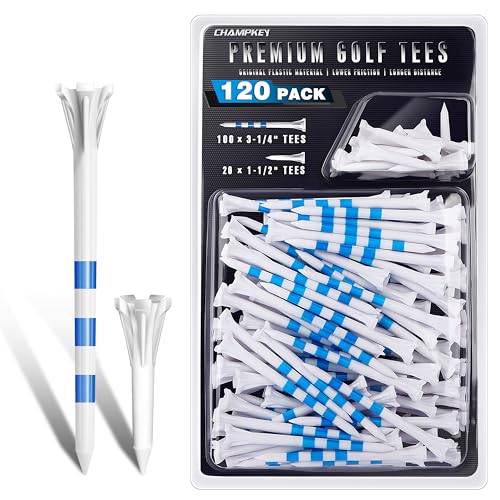
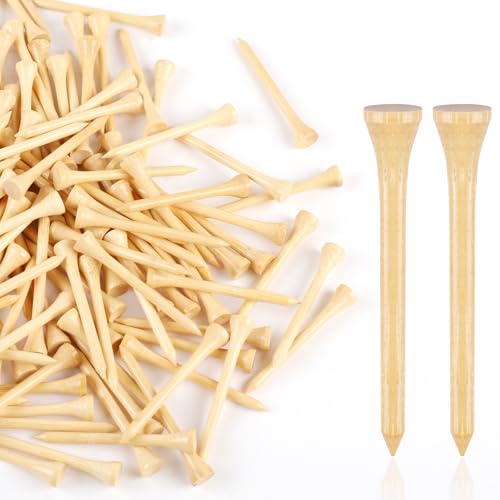

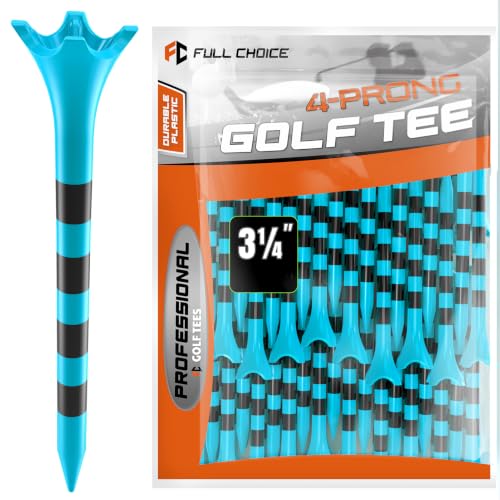
As an Amazon Associate we earn from qualifying purchases at no extra cost to you.
Quick Comparison
| Tee | Best for | Design | Trade-off |
|---|---|---|---|
| Pride Professional Tee System / Evolution Plus | Best overall | Durable plastic, color-coded heights | Plastic can crack eventually |
| Zero Friction Tour 3-Prong | Low ball-contact, short tee height | Three prongs minimize contact with the ball | Costs more per tee |
| Brush-T | Big hitters, consistent launch | Bristle top to cut friction | Bristles wear and need replacing |
| Martini tee | Beginners | Wide cup, bright colors | No low-spin brush technology |
| Wooden tees | Budget, biodegradable | Classic peg | Break easily |
Best Overall: Pride Professional Tee System
Hittingthegolfball.com ranks the Pride Professional Tee System first, and Golf.com names the Pride Performance Professional Tee System its staff favorite. Skilledgolf.com calls the Evolution Plus the best plastic tee on the market. The appeal is practical: color-coded heights make it simple to set the same tee height every time, and the plastic survives dozens of rounds. The ProLength Plus is sold in large packs, so cost per tee is low.
Best Low-Friction Tee: Zero Friction Tour 3-Prong
Zero Friction tees use a top with three prongs to reduce contact between tee and ball. Reviewers call them durable, and Golf.com rates the short version as its best short tee. They cost more than basic plastic tees, so they suit players who care about marginal launch consistency.
Best for Big Hitters: Brush-T
Brush-T tees use a bristle-style top to reduce friction at impact. Hittingthegolfball.com rated it best for consistency and Golf.com rated it best for big hitters. The bristles wear with use, so plan to replace them periodically.
Best for Beginners: Martini Tee
The Martini tee has a wide cup that holds the ball securely, plus bright colors that are easy to find in grass. Golf.com rates it best for beginners and notes it lacks refined low-spin technology. For newer players, that simplicity is a plus.
Best Budget Option: Wooden Tees
Wood tees remain the cheapest choice. They snap often, but if you play casually, a big bag costs very little and they biodegrade.
How to Choose Golf Tees
Match Tee Height to the Club
For a driver, the ball’s equator should sit near the top of the clubface at address, which typically means about half of the ball above the crown. A general starting range is a 2.75 inch (70 mm) tee for a standard driver. Irons and hybrids use shorter tees, around 1 to 1.5 inches, or even a short tee tucked low.
| Club | Typical ball height | Tee length to carry |
|---|---|---|
| Driver | Half the ball above the crown | 2.75 in. (70 mm) |
| 3-wood | About 1.5 in. total | 2.125 in. (54 mm) |
| Hybrid and long iron | About 0.5 to 1 in. above ground | 1.5 in. or short tee |
| Short iron on a par 3 | Just above the turf | Short tee or none |
Choose Material for How You Play
Plastic lasts longest, wood is cheapest and disposable, and bristle or prong tees are for players chasing small gains in spin and consistency.
Buy by Cost per Round
If you break two wooden tees a round and buy 100 for a low price, you spend a few cents a round. A durable plastic tee that lasts 20 rounds costs less per use once you do the math, as long as you do not lose it.
Mistakes to Avoid
- Using the same tee height for every club.
- Teeing the ball too high with a driver and skying it.
- Buying a huge pack of one length only.
- Leaving broken tees on the course; pick them up.
Which Tee for Which Golfer
| Golfer | Recommended tee | Reason |
|---|---|---|
| Beginner | Martini or wide-cup plastic | Forgiving and easy to see |
| Mid-handicap, plays weekly | Pride plastic in several lengths | Durable and consistent height |
| Fast swing speed | Brush-T or Zero Friction | Reduces contact friction at impact |
| Casual, plays a few times a year | Wooden tees | Cheap and biodegradable |
| Competitive player | Mix of plastic lengths | Precise height control per club |
Why Tee Height Changes Results
A driver is designed to hit the ball on the upswing, so teeing it higher helps produce the higher launch and lower spin that optimize distance. If the tee is too low, the club strikes down on the ball and adds spin; if too high, you can catch the ball on the top of the clubface and pop it up. Color-coded plastic tees such as the Pride system let you find your preferred height once and then repeat it, which is more useful than any marginal design difference between brands.
A quick method is to set the tee so the ball’s equator lines up with the crown of the driver when you soleplate the club behind it. Adjust up or down by a quarter inch based on your typical strike pattern, and use impact tape or the wear marks on the face to confirm.
Durability and Ownership
Plastic tees outlast wooden ones by a wide margin but do not last forever. Cracks usually start at the base where the tee meets the ground, and cup tops lose their shape after repeated clubface contact. Bristle tops such as the Brush-T flatten out. Wooden tees break after one or two strikes in many cases, but the cost is negligible. Whichever you choose, stash a few extras in a pocket so a lost tee does not slow the round.
Frequently Asked Questions
What tee height should I use with a driver?
Set the ball so about half of it sits above the top edge of the driver face. A 2.75 inch tee is a typical starting length.
Do expensive golf tees really improve distance?
Low-friction designs may reduce a small amount of contact and spin, but the effect is modest. Consistent tee height matters more.
Are plastic tees better than wooden tees?
Plastic tees last longer, while wooden tees are cheaper and biodegradable. Many golfers carry both.
Which tee is best for beginners?
Wide-cup tees such as the Martini are often recommended, as they hold the ball steady and are easy to see.
Are golf tees allowed in tournaments?
Under the Rules of Golf, tees must be no longer than 4 inches (101.6 mm) and must not indicate line of play or otherwise assist the player.
More from Amazon
Programs that pair well with the guide above. Offers and eligibility are set by Amazon and may change.
Free shipping on eligible items, Prime Video and more. Eligible new members can start with a free trial.
Start a Prime free trialA Prime membership for ages 18-24 with a trial period. Eligibility is set by Amazon.
See Prime for Young AdultsAudiobooks and podcasts to listen to on the go. Eligible new members can start with a free trial.
Try Audible freeAd-free music streaming. Eligible new subscribers can start with a free trial.
Try Music Unlimited freeAs an Amazon Associate we earn from qualifying purchases.