
Key takeaways
- Wear a properly fitted, certified helmet on every ride.
- Start on the lowest assist level and practice starting, stopping, and turning in a safe, open space.
- Use lights and reflective gear for any riding near dusk or at night.
- Follow the maker’s maintenance schedule for brakes, tires, and drivetrain.
- Only charge batteries with the charger that came with the bike, and follow the maker’s storage directions.
- Consult your doctor about whether cycling suits you, especially if you have heart, balance, vision, or joint concerns.
For most senior riders, a step-through electric bike with a low standover height, a stable frame, a pedal-assist system with smooth power delivery, reliable hydraulic or well-tuned disc brakes, and a comfortable upright position is the best fit, while riders wanting a more relaxed cruiser should look at wide-tire comfort models and riders who need extra stability may want to ask about electric trikes. The right bike is the one you can mount confidently, stop reliably, and handle at low speeds. This guide compares the main options, explains the specifications that matter, and matches each type to a rider. It is general information, and anyone with balance, joint, heart, or mobility concerns should talk to a doctor before taking up cycling.
Our top picks

As an Amazon Associate we earn from qualifying purchases at no extra cost to you.
At a Glance: Electric Bike Types Compared
| Type | Examples of makers and lines | Best for | Main limits |
|---|---|---|---|
| Step-through commuter e-bike | Trek Verve+, Gazelle Medeo, Aventon Soltera and Sinch step-through versions, Specialized Turbo Vado step-through | Everyday riding, easy mounting, upright posture | Premium models are heavy and costly; frame stiffness varies |
| Comfort cruiser e-bike | Electra Townie Go!, similar cruiser styles | Relaxed, flat-foot style riding | Heavier; not built for hilly rides or speed |
| Fat-tire step-through | Lectric XP Step-Thru and similar brands | Mixed surfaces, stability at low speed | Heavy; wide tires add rolling resistance and can be bulky to store |
| Folding e-bike | Various folding makers | Apartment storage, travel, car trunks | Smaller wheels feel twitchier; folding mechanisms need care |
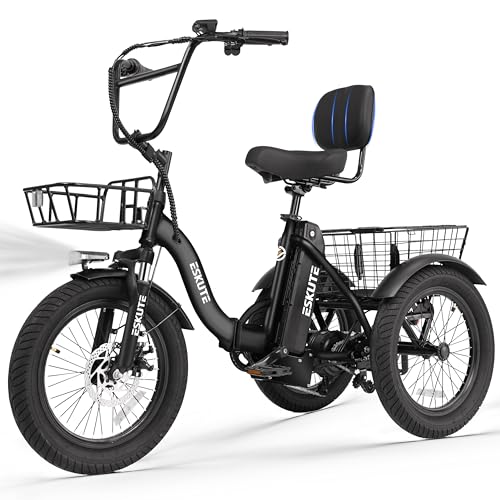
| Electric trike | Several makers offer three-wheel models | Riders prioritizing stability over speed | Wide turning radius; bulky storage; different handling |
Model lines change from year to year, and some brands have restructured or discontinued lines. Look for each maker’s current lineup and support, and confirm local service availability before you buy.
What Matters Most for Senior Riders
Step-through frame and standover height
A low or open frame makes mounting easier and reduces the need to swing a leg over the saddle. Makers list standover height, which is the distance from the ground to the top tube or step-through crossbar, and a lower number usually means easier mounting. Test the bike with both feet flat on the ground at a stop, if you can try it in person.
Motor type and assist behavior
Mid-drive motors sit near the pedals and often provide a balanced, natural feel with good hill performance. Hub motors, in the rear or front wheel, are common on lower-priced bikes. Pedal-assist delivery varies: smooth torque-sensing systems respond to how hard you pedal, while cadence-sensing systems apply power at a set level. Some riders find torque sensors more natural. A throttle, if present, can help with starting from a stop.
Bike class
In the United States, e-bikes are commonly grouped into three classes. Class 1 provides pedal assistance up to 20 mph, Class 2 adds a throttle that assists up to 20 mph, and Class 3 provides pedal assistance up to 28 mph. Class 1 and Class 2 bikes are often a better match for riders who want an unhurried, controllable experience. Rules vary by state and by path, so check local regulations.
Brakes
Hydraulic disc brakes provide strong, consistent stopping with light lever effort, which helps riders with limited hand strength. Mechanical disc brakes are common on lower-cost bikes and need more adjustment. Check that the brake levers are reachable and adjustable for your hand size.
Weight
E-bikes are heavy, often well over 40 pounds. Weight matters when you lift the bike onto a rack, up steps, or into a car. Consider where you will store it and whether you can move it safely. If lifting is an issue, look into ramps, ground-level storage, and lighter models.
Battery and range
Makers list range figures under ideal conditions, and real range depends on rider weight, terrain, wind, assist level, and temperature. Treat the stated figure as a best-case estimate. A removable battery makes charging easier, especially if you store the bike in a garage or shed away from an outlet. Follow the manufacturer’s charging and storage guidance, use the supplied charger, and never leave a charging battery unattended for long periods. If you notice a swollen battery, odd smell, or unusual heat, stop using it and contact the maker.
Ergonomics
Look for an upright riding posture, swept-back handlebars, a wide saddle, and a suspension seat post or front suspension if comfort is a concern. Adjustable stems and handlebars allow fine-tuning. Grips with ergonomic shapes can reduce pressure on the hands.
Who Each Type Suits
Riders who want easy mounting and everyday use
A step-through commuter such as a Trek Verve+ or Gazelle Medeo suits those who want a conventional, upright, quality-built bike with local dealer support. Dealer support matters, since fitting and service are often part of the value.
Riders who prefer a relaxed cruiser feel
Electra’s Townie Go! style uses a flat-foot design that places the rider with feet closer to the ground at stops. This suits riders who feel more comfortable being able to put a foot down without leaning the bike.
Riders who want stability on mixed surfaces
Fat-tire step-through bikes from brands like Lectric offer wide tires that feel stable on gravel and uneven paths. They are heavier and can be less nimble, so consider whether you can handle the bulk.
Riders with balance concerns
An electric trike or a bike with a lower center of gravity can help, but any bicycle carries risk. Speak to a doctor or physical therapist if balance is a concern, and consider an assessment before riding. Practice in an empty lot before riding on streets.
Riders with limited storage
A folding bike eases storage in a closet or trunk, but the folding mechanism and smaller wheels require care and some practice. Check the weight, because folded bikes are still heavy.
Safety and Care Notes
- Wear a properly fitted, certified helmet on every ride.
- Start on the lowest assist level and practice starting, stopping, and turning in a safe, open space.
- Use lights and reflective gear for any riding near dusk or at night.
- Follow the maker’s maintenance schedule for brakes, tires, and drivetrain.
- Only charge batteries with the charger that came with the bike, and follow the maker’s storage directions.
- Consult your doctor about whether cycling suits you, especially if you have heart, balance, vision, or joint concerns.
Pick X If…
| Pick this if… | Choose |
|---|---|
| You want a conventional, dealer-supported step-through | Trek Verve+, Gazelle Medeo, or Specialized Turbo Vado step-through |
| You want a relaxed cruiser with feet near the ground | Electra Townie Go! style |
| You ride on gravel or uneven surfaces | Fat-tire step-through such as Lectric XP Step-Thru |
| You have a tight storage space | A folding e-bike |
| Balance is your main concern | An electric trike, after consulting a professional |
| You want a direct-to-consumer value option | Aventon step-through models |
| You need easy lifting | The lightest step-through you can find, or a ramp and ground-level storage |
Budget Tiers
Budget e-bikes are usually direct-to-consumer, with hub motors and simpler components, and may require owner assembly. Mid-range bikes add more refined motors, better brakes, and sometimes local dealer support. Premium e-bikes provide lighter frames, higher-quality drive systems, integrated batteries, and strong warranty and service networks. For many senior riders, access to a local shop for fitting, assembly, and repairs justifies stepping up a tier.
Alternatives
- Electric trikes: offer three-wheel stability for those who struggle with two-wheel balance.
- Recumbent e-bikes: place the rider in a seated, reclined position that eases pressure on wrists and shoulders.
- Standard comfort bikes with a conversion kit: possible for experienced owners, but warranty and safety depend on correct installation.
- Mobility scooters: may suit those who need seated mobility more than cycling exercise.
Frequently Asked Questions
What makes an e-bike good for seniors?
A step-through frame, low standover height, upright seating, reliable disc brakes, and smooth pedal assist all help. A manageable weight and a comfortable fit matter too. Try several bikes before buying if you can.
Are electric bikes safe for older riders?
Cycling carries risks at any age, and the added speed and weight of an e-bike require care. Wear a helmet, practice in a safe area, and begin at a low assist level. Ask a doctor whether cycling is appropriate for your health.
Which e-bike class is best?
Class 1 and Class 2 bikes, limited to 20 mph assist, are often a better fit for riders who want a gentler pace. Class 3 bikes assist up to 28 mph and may be more than many riders need. Local rules about where each class may ride vary.
How far can an e-bike go on a charge?
Makers list range under ideal conditions, but real distance depends on terrain, rider weight, assist level, and weather. Treat the stated figure as a best case. For longer rides, consider a bike with a larger battery or a spare.
Should I choose a throttle or pedal assist only?
A throttle can help with starting from a stop or climbing, which some riders appreciate. Pedal-assist-only bikes feel more like conventional cycling and may encourage more exercise. Local laws may also affect which options are permitted.
Is an electric trike better than a bike?
A trike offers stability at low speed, which helps riders with balance issues. It is wider, heavier, and takes more space to store and turn. Try one before deciding, and ask a professional if you are uncertain.



