
Key takeaways
- Length: leave about a thumb’s width in front of the longest toe; the foot slides forward during stops.
- Width: Nike lines often run narrower in the midfoot, while some adidas and Under Armour models offer more room; check reviewer feedback on specific models.
- Socks: try shoes with the socks you play in.
- Heel slip: the heel should stay planted; use lacing techniques like a heel lock if needed.
- Break-in: performance models often need a few sessions before they feel their best.
For most men playing indoors or outdoors, a well-cushioned, supportive all-rounder such as the Nike G.T. Cut line, a Nike Giannis Immortality, or an adidas Dame model is a sound starting point, while heavier players who want maximum impact protection look to Nike LeBron or adidas Harden-style cushioned shoes, and quick guards lean toward low-cut, light designs like the Nike Kyrie-style or Curry Brand options. The best pick depends on your position, playing surface, and how much cushioning versus court feel you want.
Our top picks

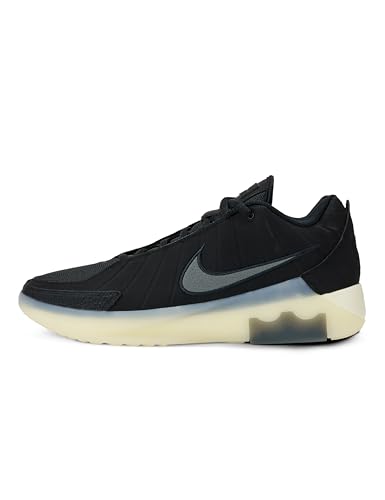
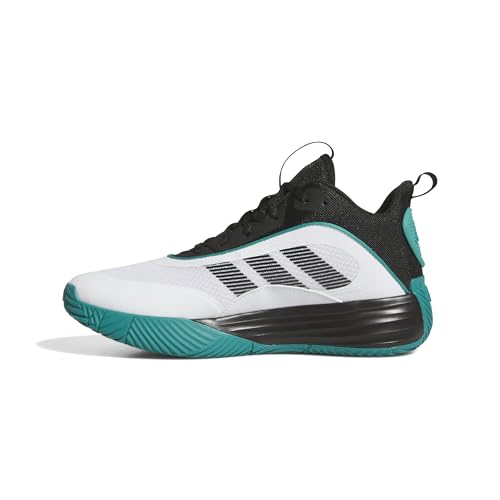
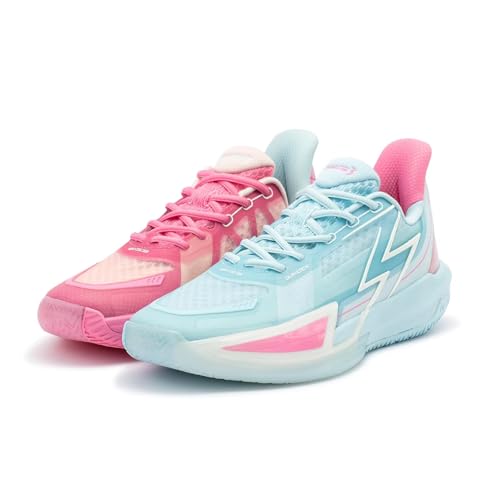
As an Amazon Associate we earn from qualifying purchases at no extra cost to you.
At a Glance: Basketball Shoe Lines Compared
| Shoe line | Best for | Traits makers or reviewers cite | Limits |
|---|---|---|---|
| Nike G.T. Cut | Quick guards and wings who cut and change direction | Responsive cushioning and grippy traction for fast movement | Less cushioning for heavier players on hard courts |
| Nike Giannis Immortality | Budget-conscious players wanting a dependable all-rounder | Lightweight, accessible design from Nike’s lower tiers | Basic materials; less support than premium lines |
| Nike LeBron | Bigger players who want heavy cushioning | Max-cushion design with strong support | Heavy and bulky |
| Nike KD | Versatile wings and forwards | Balanced cushioning and a mid-weight feel | Fit varies by version |
| adidas Dame | Guards and all-rounders | Court feel with Bounce cushioning, often seen as good value | Support is moderate; ride is lower to the ground |
| adidas Harden | Players who like a plush, supportive feel | Cushioned design with a stable base | Weight and bulk |
| adidas Anthony Edwards (AE) | Athletic wings and guards | Newer signature line with responsive cushioning | Newer line; check fit reviews |
| Curry Brand | Shooters and quick guards | Low-cut, lightweight, traction-focused designs | Minimal ankle protection |
| Jordan (Luka and others) | Players who like a Jordan fit with modern tech | Mix of cushioning and support depending on the model | Sizing differs by model |
Signature lines release new versions often and brands sometimes retire or rename them. The traits listed describe the general character reported by makers and outlets, so confirm the current version on the maker’s page.
Start With Position and Playing Style
Guards tend to favour low-profile, lightweight shoes that allow quick cuts and a good feel for the floor. Forwards and centers who play near the rim, with more contact and landing force, often prefer extra cushioning and support. Wings generally sit in the middle. These are generalizations, and comfort and fit remain the deciding factors. A lighter player may find a heavily cushioned shoe clunky, while a heavier player may feel a thin shoe lacks protection.
Key Features to Compare
Cut height
Low-cut shoes offer freedom and lightness, mid-cut offers a balance, and high-cut adds ankle coverage. Contrary to common belief, research has not clearly shown that high-tops prevent ankle sprains, and many modern players choose low or mid cuts. Choose by comfort and, if you have a history of ankle injuries, discuss support options with a doctor or physical therapist.
Cushioning
Makers use foams and air units for impact absorption. Nike uses Air and Zoom units, adidas uses Boost and Lightstrike, and others use proprietary foams. More cushioning typically means more height and weight, and less court feel.
Traction
Herringbone and multi-directional patterns help grip on clean indoor courts. Outdoor courts wear rubber quickly, so durable outsoles matter if you play outside. Dust on indoor floors reduces grip, so wipe the soles.
Lockdown and fit
Good lockdown keeps the foot from sliding inside the shoe during cuts. Look for a secure midfoot and heel, and check width options, since several brands run narrow.
Durability
Outdoor use, drag-style playing, and heavy builds wear shoes faster. Reinforced toe areas and sturdy outsoles help.
Indoor vs Outdoor
Indoor hardwood and sport-court surfaces suit softer, grippier rubber that wears faster outdoors. Outdoor asphalt and concrete grind outsoles quickly, so players who split time often keep a cheaper pair for outside. Some outdoor-oriented models use harder rubber and thicker outsoles. If most of your play is outdoors, prioritize durability and cushioning.
Fit and Sizing
- Length: leave about a thumb’s width in front of the longest toe; the foot slides forward during stops.
- Width: Nike lines often run narrower in the midfoot, while some adidas and Under Armour models offer more room; check reviewer feedback on specific models.
- Socks: try shoes with the socks you play in.
- Heel slip: the heel should stay planted; use lacing techniques like a heel lock if needed.
- Break-in: performance models often need a few sessions before they feel their best.
Budget Tiers
Budget tier: Lower-priced lines such as the Nike Giannis Immortality, adidas Cross Em Up or similar entry models, and previous-generation signature shoes give solid performance without the premium features. They suit recreational players and growing athletes.
Mid-range tier: Current versions of the Nike G.T. Cut Academy, adidas Dame, and similar lines balance quality and durability for regular players.
Premium tier: Top signature shoes, such as the LeBron, KD, Curry, and Jordan flagship lines, carry advanced cushioning and materials. Their added cost matters more for competitive players who play often.
Pick X If… Decision Table
| If you… | Consider | Why |
|---|---|---|
| Are a quick guard who cuts a lot | Nike G.T. Cut or Curry Brand | Light, responsive, court feel |
| Are a bigger player landing hard | Nike LeBron or adidas Harden | Heavier cushioning and support |
| Want a versatile all-rounder | Nike KD or adidas Dame | Balanced feel |
| Play mainly outdoors | Durable outsole models | Rubber that resists wear |
| Are on a budget | Nike Giannis Immortality or previous-generation models | Good value tier |
| Want athletic wing performance | adidas Anthony Edwards or Jordan Luka | Balanced modern designs |
| Have a history of ankle trouble | Mid or high-cut with secure lockdown, after a clinician’s advice | Structure and fit |
Alternatives Worth Considering
- Under Armour (non-Curry): sturdy basketball options in the budget to mid-range tier.
- Puma Court Rider and MB lines: Puma has expanded its basketball range with various signature models.
- Li-Ning and Anta: Chinese brands that release performance shoes, with growing reviews from outlets and players.
- New Balance Two WXY and Kawhi: alternatives with distinct fit and cushioning feels.
- Last-year models: older versions of top shoes often perform nearly as well and are easier on the budget.
Care and Safety
Wipe soles with a damp cloth before play on indoor courts to restore grip. Air-dry shoes away from heat and rotate pairs if you play often. Replace shoes when cushioning feels flat, traction fades, or the upper tears. Pain in the knees, ankles, or feet that persists after play deserves a doctor’s or physical therapist’s attention, since shoes alone do not address every cause.
Weight, Foam, and Injury Considerations
Heavier players put more load through their shoes, and cushioning that feels perfect at one body weight can bottom out at another. If you play several times a week on concrete or hardwood, pay attention to heel and forefoot impact comfort. Persistent knee pain, shin pain, or Achilles soreness is worth discussing with a doctor or physical therapist, since footwear is only one factor alongside conditioning, mobility, and playing volume.
Buying Tips
- Read reviews of the exact version you plan to buy; fit and traction often change between yearly releases.
- Check the return policy, since shoes may need to stay in unworn, indoor-only condition to qualify.
- Consider a second pair if you play more than three or four times a week; rotating lets foam recover.
- Use insoles from your previous shoes only if they improve comfort, and test them before a game.
Frequently Asked Questions
Do high-top shoes prevent ankle injuries?
Studies have not clearly shown that high-tops prevent ankle sprains. They add coverage and some players feel more secure, but fit, strength, and conditioning matter more. If you have a history of sprains, ask a clinician about braces or support.
How should basketball shoes fit?
Snug through the midfoot and heel with about a thumb’s width of room at the toe. Your foot should not slide during cuts, and nothing should pinch. Try on shoes with game socks.
Can I use indoor basketball shoes outside?
You can, but outdoor courts wear soft rubber quickly. Many players keep a separate, durable pair for outdoors, or choose models with tougher outsoles.
Are signature shoes worth it?
Signature lines can offer advanced cushioning and traction, but many mid-range shoes perform very well. Fit and comfort matter more than the name on the heel.
How often should I replace basketball shoes?
Depends on use. Regular players often replace shoes every few months to a year, or when traction, cushioning, or support fades.
Are running shoes okay for basketball?
Not ideal. Running shoes are built for forward motion and lack the lateral support and traction needed for cuts and stops, which raises the risk of slips and rolled ankles.



