
Key takeaways
- Daily trainers: Balanced cushioning and durability for most weekly miles.
- Max-cushion trainers: Thick midsoles for long, easy runs and recovery.
- Stability shoes: Add guidance features for runners who want extra support; makers describe designs such as guide rails or medial posts.
- Lightweight or tempo shoes: Lower weight and a more responsive ride for faster sessions.
- Super shoes: Carbon or similar plates with highly resilient foam, mainly for races and key workouts.
- Trail shoes: Grippy outsoles and protective uppers for dirt, rock and mud.
The best running shoe for most men is a well-cushioned neutral daily trainer such as the Brooks Ghost, Nike Pegasus or Hoka Clifton, while runners who want softer, more protective miles lean toward the Hoka Bondi or Asics Gel-Nimbus, runners who want a lively all-rounder look at the Asics Novablast or Saucony Ride, and racers look at carbon-plated shoes. Fit and comfort matter more than any ranking, so use the guide below to narrow the type, then try shoes on at the end of the day.
Our top picks


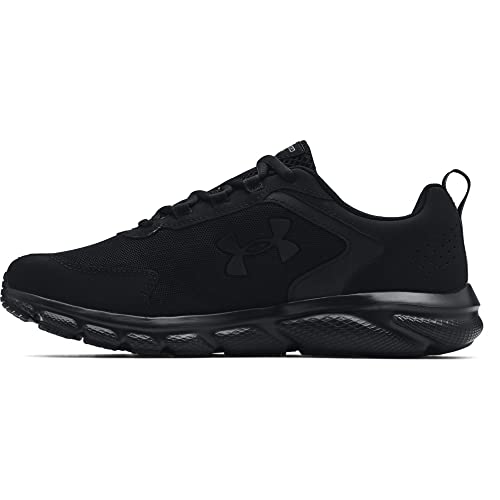

As an Amazon Associate we earn from qualifying purchases at no extra cost to you.
Know your shoe categories first
- Daily trainers: Balanced cushioning and durability for most weekly miles.
- Max-cushion trainers: Thick midsoles for long, easy runs and recovery.
- Stability shoes: Add guidance features for runners who want extra support; makers describe designs such as guide rails or medial posts.
- Lightweight or tempo shoes: Lower weight and a more responsive ride for faster sessions.
- Super shoes: Carbon or similar plates with highly resilient foam, mainly for races and key workouts.
- Trail shoes: Grippy outsoles and protective uppers for dirt, rock and mud.
Model names update regularly, and makers refresh popular lines about once a year. Specifications below reflect what makers typically list; confirm the current edition on the maker’s page.
At a glance
| Shoe line | Type | Best for | Maker-stated traits | Limits |
|---|---|---|---|---|
| Brooks Ghost | Neutral daily trainer | Everyday miles, first-time buyers | Brooks describes balanced cushioning with a DNA-series midsole foam and a soft, smooth ride | Not the lightest or most responsive |
| Nike Pegasus | Neutral daily trainer | Versatile training, mixed paces | Nike lists a responsive foam midsole and an engineered mesh upper | Fit runs slightly narrower for some feet |
| Hoka Clifton | Light max-cushion daily | Easy and moderate runs, soft feel | Hoka describes a thick, lightweight foam midsole and rocker geometry | Tall stack may feel less stable for some |
| Hoka Bondi | Max-cushion | Long, slow runs, recovery | Hoka lists a very thick midsole built for cushion | Heavier and less nimble |
| Asics Gel-Nimbus | Cushioned neutral | Comfort-first long runs | Asics lists soft foam with gel technology in the heel | Higher cost tier, heavier |
| Asics Novablast | Bouncy daily trainer | Runners who want a lively feel | Asics describes a trampoline-like midsole | Less stable at slower paces for some |
| Saucony Ride and Triumph | Daily and cushioned trainers | Comfortable all-round miles | Saucony lists PWRRUN-family foam | Fit varies by model |
| New Balance Fresh Foam X 880 and 1080 | Daily and max-cushion | Runners needing width options | New Balance lists multiple width options on many models | Ride softer than some prefer |
| Brooks Adrenaline GTS | Stability | Runners wanting guidance | Brooks describes GuideRails support | Stability needs vary by runner |
How to choose
Match the shoe to your running
Weekly mileage, pace and surface drive the choice. Newer runners and those logging easy miles often like moderate or soft cushioning. Runners who include speed sessions may want a second, lighter shoe. Many running stores and publications such as Runner’s World and Running Warehouse advise rotating two pairs, though this is optional.
Get the fit right
- Shop later in the day when feet are at their largest.
- Leave about a thumb’s width between your longest toe and the shoe’s end.
- The heel should hold without slipping, and the midfoot should feel snug but not tight.
- Check width options. Several makers offer narrow, regular, wide and extra-wide sizes.
- Wear your normal running socks when trying shoes.
Consider drop and stack
Drop is the height difference between heel and forefoot, and stack is the total midsole height. Makers list both. Moderate drops around 8 to 10 mm are common in daily trainers, while lower drops feel more natural to some runners but can stress calves and Achilles tendons if adopted abruptly. Change gradually.
Stability or neutral
Research on matching shoes to pronation is mixed, and many reviewers say to choose what feels comfortable. If you have a history of injury or foot pain, a podiatrist or a specialist running store can help.
Budget tiers
- Budget: Older versions of popular models, or entry lines from Brooks, Asics, Saucony and New Balance. Usually fine for casual running. Previous-generation versions of leading shoes are often reduced when the new edition launches.
- Mid-range: Most current daily trainers, such as the Ghost, Pegasus, Clifton, Ride and 880 lines.
- Premium: Max-cushion flagships such as the Nimbus and Triumph, and plated race shoes. These cost more and may wear out sooner in some cases, so match them to purpose.
Trade-offs to weigh
- Soft versus firm: Soft foams feel plush but may feel less stable. Firmer shoes feel more connected.
- Light versus durable: Light shoes feel fast but may use thinner uppers and outsoles.
- Max-cushion versus ground feel: Thick midsoles protect on long runs but can feel high off the ground.
- Plated versus conventional: Plates add pop but are costlier and may suit race days better than daily wear.
Care and replacement
Many makers and running publications suggest replacing trainers after roughly 300 to 500 miles, depending on the shoe, your weight and the surface. Signs include compressed cushioning, worn outsoles and new aches. Rotate pairs, let shoes dry naturally, and avoid machine drying, which can damage foam and glue. Persistent pain, swelling or numbness is a reason to see a doctor or podiatrist rather than just change shoes.
Pick X if …
| Pick | If … |
|---|---|
| Brooks Ghost | You want a dependable, comfortable daily trainer and are not sure what you need |
| Nike Pegasus | You want a versatile shoe for mixed paces and a snug midfoot |
| Hoka Clifton | You want a soft, light feel with a rockered ride |
| Hoka Bondi or Asics Gel-Nimbus | You want maximum cushion for long, slow runs |
| Asics Novablast | You want a lively, bouncy daily trainer |
| Brooks Adrenaline GTS | You want a guided stability shoe |
| New Balance 880 or 1080 | You need width options |
| Plated race shoe | You are racing or doing key workouts and have a second pair for training |
Alternatives
- Saucony Kinvara or Brooks Hyperion line: Lighter shoes for faster running.
- Altra and Topo Athletic: Wider toe boxes for those who prefer foot-shaped designs.
- Trail shoes from Salomon, Hoka Speedgoat and Brooks Cascadia lines: For off-road routes.
- On Cloudmonster and Cloudsurfer lines: Cushioned options with a distinct feel.
Frequently Asked Questions
What is the best running shoe for a beginner man?
A neutral daily trainer with moderate cushioning is a common starting point, with the Brooks Ghost, Nike Pegasus and Hoka Clifton often named by reviewers. Fit and comfort matter most, so try several pairs.
How often should I replace running shoes?
Many sources suggest about 300 to 500 miles, depending on your weight, running style and the shoe. Replace sooner if cushioning feels flat or you develop new aches.
Do I need stability shoes?
Not necessarily. Some runners prefer them for added guidance, but studies on pronation and shoe type are mixed. Pick what feels comfortable, and consult a podiatrist if you have foot or joint concerns.
Should I buy a half size up?
Many runners do, since feet swell during runs. A thumb’s width of space in front of the longest toe is a common guide, but the right size depends on the model, so try them on.
Are carbon-plated shoes worth it?
They are designed for racing and fast workouts and can feel more energetic. They cost more and may not suit daily training. Many runners keep a conventional trainer for most miles.
Can I use road shoes on trails?
Light, smooth trails are usually fine. For rocky or muddy terrain, trail shoes with deeper lugs and protective uppers give more grip and protection.



