
Key takeaways
- Read the whole manual first and follow its time and frequency limits.
- Start with clean, damp skin and the lowest setting.
- Keep the blade flat or at the angle the maker shows, and move slowly without pressing hard.
- Avoid the eye area, lips, and any broken skin.
- Finish with a gentle moisturizer and daily sunscreen, as scrubbing can leave skin more sensitive to sun.
- Clean the blade after each use and let it dry.
- Do a small patch test on a discreet area before full use.
- Stop and see a doctor if you notice persistent redness, swelling, or pain.
For most people curious about an ultrasonic skin scrubber, a mid-range spatula-style unit with adjustable modes, a rechargeable battery, and a clear manual is the sensible starting point, while sensitive, acne-prone, or medically treated skin is better discussed with a dermatologist before using any device at all. These handheld tools use a vibrating metal blade, usually with a light mist of water or a cleansing solution, and makers market them for surface cleansing and as part of a skincare routine. This guide compares what the main product types offer, what the specifications mean, and how to use them conservatively. It makes no medical claims, and none of these devices treat skin conditions.
Our top picks



As an Amazon Associate we earn from qualifying purchases at no extra cost to you.
At a Glance: Device Types Compared
| Type | Examples of brands sold | Best for | Main limits |
|---|---|---|---|
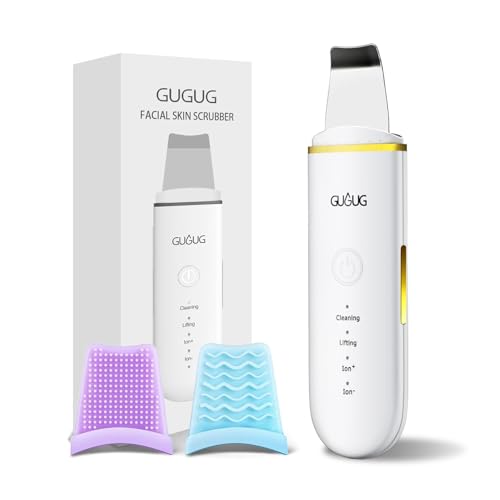
| Spatula-style ultrasonic scrubber | Pobling, Anlan, and many similar generic brands | Users who want a basic blade-style cleansing tool with modes | Quality varies by seller; manuals can be thin; not for broken or irritated skin |
| Ultrasonic scrubber with extra modes (for example ion, EMS, or light functions listed by the maker) | Several makers list multi-function units | Buyers who want one device with several settings | Extra functions are maker claims; more settings can mean more ways to overuse |
| Sonic silicone cleansing brush | Foreo Luna line (sonic, not ultrasonic) | Gentle daily cleansing without a metal blade | A different technology; premium tier |
| Dermaplaning or exfoliating tool | Dermaflash and similar makers | Users who want physical exfoliation of fine hair and dead skin | Blades require careful handling; not interchangeable with ultrasonic scrubbers |
Note that sonic and ultrasonic are not the same. Sonic brushes move a silicone surface back and forth, while ultrasonic scrubbers vibrate a metal blade at a high frequency, which makers often list around 24,000 to 30,000 vibrations per second. Check the maker’s own specification sheet for the figure on any given model.
How Ultrasonic Scrubbers Are Described
Makers generally describe the process as follows: the blade vibrates at ultrasonic frequency, and when held at a shallow angle to damp skin with water or a recommended solution, the vibration helps loosen surface debris and oil. The user glides the blade slowly across the skin. Some makers also list a lifting or massage mode. These are product claims, and independent clinical evidence for the extra modes is limited. A dermatologist is the right person to ask whether a device suits your skin type.
Specifications That Matter
Frequency and modes
Frequency is listed in kilohertz by many makers. A higher number does not automatically mean a better result. What matters more is whether the device offers a low or gentle setting and clear guidance on duration. Look for makers who state recommended session length per area and frequency of use.
Blade material and edge
Blades are usually stainless steel. Reviewers mention that some blades have a slightly sharper edge than others, which affects comfort and risk of irritation. A smooth, rounded profile is generally gentler. Never use a damaged or bent blade.
Battery and charging
Most units are rechargeable by USB cable. Makers list run times, and runtime varies with the selected mode. A visible charge indicator and a sealed port are useful. Never use a device while it is charging unless the manual states it is permitted.
Water resistance
The tool is used on damp skin, so check the maker’s stated water resistance and cleaning instructions. Some units are not designed to be submerged. Follow the instructions for rinsing the blade and drying it fully between uses.
Included accessories
Some kits include a storage pouch, USB cable, and a dedicated solution. Using a recommended solution or plain water matters, since using the wrong product can irritate skin. Do not use oil-based products, harsh alcohol, or acids with the blade unless the manual says it is safe.
Who Might Reasonably Use One
Adults seeking a routine cleansing tool
People with normal or oily skin who want an occasional deeper cleansing step are the main target buyers. Start with the lowest setting, short sessions, and infrequent use, then watch for redness or discomfort. Stop if the skin stings or turns pink, and give it time to calm.
People who should speak to a professional first
Skin that is broken, sunburned, inflamed, or treated with prescription topical products may react badly to any scrubbing tool. The same applies to people with rosacea, eczema, active acne, a history of keloid scarring, or recent cosmetic procedures. Many manuals also caution against use during pregnancy or with implanted electronic devices such as pacemakers. When in doubt, ask a doctor or dermatologist before buying.
Those who want the gentlest option
If a metal blade feels like too much, a sonic silicone brush such as the Foreo Luna line offers a different cleansing approach. It still requires care with sensitive skin, but there is no metal edge.
Using One Conservatively
- Read the whole manual first and follow its time and frequency limits.
- Start with clean, damp skin and the lowest setting.
- Keep the blade flat or at the angle the maker shows, and move slowly without pressing hard.
- Avoid the eye area, lips, and any broken skin.
- Finish with a gentle moisturizer and daily sunscreen, as scrubbing can leave skin more sensitive to sun.
- Clean the blade after each use and let it dry.
- Do a small patch test on a discreet area before full use.
- Stop and see a doctor if you notice persistent redness, swelling, or pain.
Buying Cautions
The category is crowded with near-identical devices sold under many brand names, so product details such as certifications, warranty terms, and customer support vary widely. Prefer sellers that list a clear manual, safety instructions, and a contact for support. Be wary of claims that a device removes blackheads permanently, treats acne, reverses aging, or cures any condition. Cosmetic devices are not medical treatments, and claims of that kind should raise doubts. Regulatory status varies by product and market, and makers do not always specify it, so read the listing carefully.
Pick X If…
| Pick this if… | Choose |
|---|---|
| You want a basic, simple blade scrubber | A spatula-style unit with few modes and a good manual |
| You like having several settings in one device | A multi-mode unit, used cautiously |
| You have sensitive skin and want a gentler tool | A sonic silicone brush, after talking to a dermatologist |
| You want physical exfoliation of fine facial hair | A dermaplaning tool designed for that purpose |
| You have a skin condition or take prescription topicals | Ask a dermatologist before using any device |
| You travel often | A compact rechargeable unit with a protective pouch |
Budget Tiers
Budget scrubbers are widely available and usually offer one or two modes with a USB charger. Mid-range units tend to add more modes, a sturdier build, and better documentation. Premium cleansing devices, including sonic brushes from established skincare brands, generally come with longer warranties and more polished support. A higher tier does not guarantee better results on your skin, so weigh manual quality and return policy alongside features.
Alternatives
- Sonic silicone cleansing brush: a softer-feeling approach to daily cleansing.
- Manual cleansing cloth or konjac sponge: a low-tech option with no electronics.
- Chemical exfoliants used as directed: gentle options exist, but follow product directions and consult a dermatologist for guidance.
- Professional facials: a trained esthetician can assess skin before using devices on it.
Questions to Ask Before You Buy
Read the listing for a full manual, language that is clear rather than exaggerated, and contact details for support. Ask whether the seller offers a return window, because skin reactions are individual and you may decide the device is not for you. Look at the charging method and whether replacement parts are available. Consider how often you would realistically use the device, and whether a simpler routine, such as a gentle cleanser and sunscreen, already meets your needs. If you are using prescription skin products or are being treated for a skin condition, ask your dermatologist whether adding a device is appropriate. Finally, store receipts and warranty information so you can request help if the unit malfunctions.
Frequently Asked Questions
What does an ultrasonic skin scrubber do?
Makers say the blade vibrates at ultrasonic frequency to help loosen surface debris when glided across damp skin. It is a cosmetic cleansing tool. It is not a medical device for treating skin conditions.
How often should I use one?
Follow your manual, as recommendations differ by maker. Many suggest short sessions and infrequent use rather than daily scrubbing. If your skin becomes red or irritated, stop and give it time to recover.
Is it safe for sensitive or acne-prone skin?
Sensitive, inflamed, or acne-prone skin may react to scrubbing devices. Check with a dermatologist before use. Do not use it on broken skin, active breakouts, or irritated areas.
Is an ultrasonic scrubber the same as a sonic brush?
No. A sonic brush moves a silicone surface, while an ultrasonic scrubber vibrates a metal blade at a higher frequency. They feel and work differently, so read each maker’s description.
Can I use serums or oils with it?
Only use the products the manual allows. Many makers recommend water or a specific solution, and caution against oils, strong acids, and alcohol-based products. Using the wrong product can irritate skin or affect the device.
How do I clean and store the device?
Rinse the blade as the manual directs, wipe it dry, and store it in a clean, dry place. Do not submerge the device unless the maker states it is designed for that. Replace it if the blade is damaged.



