
Key takeaways
- Measure your garage for height, depth, width, and door clearance before ordering.
- Assemble according to the manual and tighten bolts periodically.
- Always set safety arms or pins before heavy sets, and follow the maker’s capacity guidance.
- Consider a platform or mats under the rack, and anchor the rack as instructed.
- If you are new to lifting, consider coaching and use a spotter for heavy bench or squat sets.
Most garage lifters are best served by a mid-range 3×3-inch, 11-gauge power rack such as the Rep Fitness PR-5000 line or a Rogue Monster Lite-style rack, while buyers with low ceilings or tight floor space should look at shorter or fold-back designs, and budget buyers can consider Titan Fitness or similar entry racks if they accept lighter hardware.
Our top picks
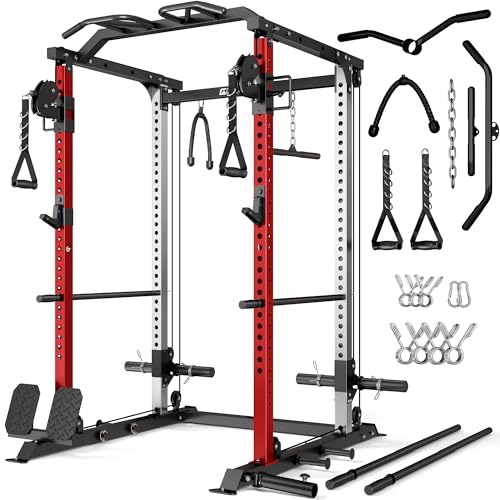


As an Amazon Associate we earn from qualifying purchases at no extra cost to you.
At a Glance: Power Rack Options
| Option | Best for | Key stated traits | Limits |
|---|---|---|---|
| Rep Fitness PR-5000 series | Buyers wanting a strong, customizable mid-range rack | Maker lists 3×3-inch 11-gauge uprights, numbered holes, and a broad attachment ecosystem | Large footprint; check ceiling height and depth |
| Rep Fitness PR-4000 series | Value buyers who want a simpler build | Maker lists a 2×3-inch style upright and fewer options than the 5000 line | Lower stated capacity than heavier racks |
| Rogue Monster Lite series | Garage lifters who want a premium brand and wide accessory range | Maker lists a 2×3-inch upright design and compact footprint options | Premium tier; options add up quickly |
| Titan Fitness T-3 or X-3 series | Budget-conscious buyers | Maker lists 3×3-inch uprights in several lines and a range of heights | Finish and hole alignment vary at budget tier according to reviewers |
| Fringe Sport and similar mid-range racks | Buyers who want a straightforward rack with a solid warranty | Makers list steel uprights, J-hooks, and pull-up bars | Check stated load rating and base footprint |
| Foldable or wall-mounted racks | Small garages sharing space with vehicles | Makers list fold-back designs that reduce depth when not in use | Require solid wall mounting and have lower stated capacity |
What Matters in a Garage Power Rack
Upright Size and Steel Gauge
Uprights are commonly 2×2, 2×3, or 3×3 inches. A 3×3-inch upright in 11-gauge steel is widely considered the standard for serious home use because it resists flex under heavy loads. Lower-gauge, thinner steel racks cost less but may wobble more, especially when kipping pull-ups or racking heavy squats. Compare each maker’s listed gauge and upright dimensions.
Hole Spacing
Closer hole spacing, often called Westside spacing around the bench zone, allows finer adjustments for bench press height. Standard spacing is simpler and still works for most lifters. If you plan to bench in the rack, check how many holes sit in the bench range.
Stated Load Capacity
Makers publish weight ratings that vary by brand and test method. Treat them as guidance and do not exceed them. Safety arms or spotter pins are important for solo training, and their rated capacity may differ from the uprights.
Height and Ceiling Clearance
Many full-height racks are about 90 inches tall or more. Garage ceilings and door tracks can restrict your options. Measure the lowest point overhead, including garage door openers, and leave room for pull-ups and overhead presses. Shorter or low-ceiling versions exist from several makers.
Depth and Footprint
Four-post racks have a larger footprint than half racks but offer more stability and storage. Half racks and wall-mount designs save space but may be less stable. Include space for barbell loading, walking out the bar, and storing plates.
Anchoring and Floor
Racks should be bolted down or weighted per the maker’s instructions. Most garage floors are concrete, which allows anchoring with proper bolts, but check your lease or HOA rules if relevant. Use rubber mats under the rack to protect the floor and reduce vibration.
Attachments
Many lifters add dip bars, landmine attachments, band pegs, and plate storage. Check that the rack’s hole pattern and upright size match the accessories you want. Brands with their own ecosystems, such as Rogue and Rep Fitness, usually offer compatible options.
Budget Tiers
Budget Tier
Entry-level racks from brands like Titan Fitness use lighter steel and fewer options. Reviewers often report they work well for moderate loads but may need attention to bolt tightness and finish. They suit beginners and lifters who do not train at the upper end of the stated capacity.
Mid-Range Tier
Racks like the Rep PR-5000 and Fringe Sport options use thicker steel, more precise hole spacing, and a wider accessory range. This tier generally offers the best balance for garage lifters.
Premium Tier
Rogue’s heavier lines and other premium racks add heavy-gauge steel, laser-cut numbering, and long-term warranties. They suit lifters who want a rack that lasts decades and supports very heavy loading.
Fit and Safety Notes
- Measure your garage for height, depth, width, and door clearance before ordering.
- Assemble according to the manual and tighten bolts periodically.
- Always set safety arms or pins before heavy sets, and follow the maker’s capacity guidance.
- Consider a platform or mats under the rack, and anchor the rack as instructed.
- If you are new to lifting, consider coaching and use a spotter for heavy bench or squat sets.
Pick X If You Want Y
| Pick this | If you … |
|---|---|
| Rep PR-5000 line | want 3×3-inch steel and room to add accessories |
| Rogue Monster Lite | want a premium brand with a broad ecosystem |
| Titan T-3 or X-3 | are on a budget and accept lighter hardware |
| Fringe Sport rack | want a solid mid-range build |
| Fold-back or wall-mounted rack | need to keep parking space |
Alternatives to Consider
- Half rack: Takes less depth and still supports squats and presses, though with less enclosure.
- Squat stands: Cheaper and portable, but less safe for solo heavy training.
- Cage with integrated bench: Combines rack and bench for compact setups, though adjustability can be limited.
Planning Your Garage Layout
Before you buy, sketch the space and mark where the rack, bench, and plate storage will sit. Allow at least a few feet on either side of the bar for loading, and consider how the garage door and car doors open. Think about lighting and ventilation. A dedicated lifting zone with mats and a plate tree keeps the area tidy. If you share the garage with vehicles, wheeled or fold-back racks can help, but they require careful anchoring and capacity checks.
Frequently Asked Questions
What size power rack do I need for a garage?
Measure your ceiling height, depth, and width. Many full racks need about 90 inches or more overhead, with extra room for pull-ups. Shorter and compact options exist for low ceilings.
Is a 3×3 rack better than a 2×3?
A 3×3-inch upright generally offers more rigidity and a larger accessory ecosystem. 2×3 racks can be more affordable and compact but may feel less stable under heavy loads. Compare the stated steel gauge and load ratings.
Do I need to bolt a power rack to the floor?
Makers often recommend anchoring or weighting the rack for safety. Follow the manual and use appropriate hardware for concrete. Some racks can stay stable with plate storage, but anchoring is generally safer.
What safety features should I look for?
Look for safety arms or spotter pins rated for your loads, and make sure they are set correctly each session. Check that J-hooks hold the bar securely. Follow the maker’s instructions and train with a spotter when possible.
Can I use a power rack with a low ceiling?
Yes, but choose a lower-height rack or a shorter version. Pull-ups and overhead presses may be restricted. Measure carefully before you buy.
How much weight can a power rack hold?
Each maker lists its own capacity ratings for uprights, hooks, and safeties. They vary widely, so check the specifications for your model. Do not exceed the stated limits.



