For most skiers, a midweight merino or merino-blend long-sleeve top and matching bottoms is the best base layer. A synthetic option such as polyester suits people who run hot, sweat heavily or want something quick-drying and hard-wearing. Choose weight by conditions: lightweight for spring and active touring, midweight for typical resort days, heavyweight for very cold days or for anyone who feels the chill easily.
Our top picks


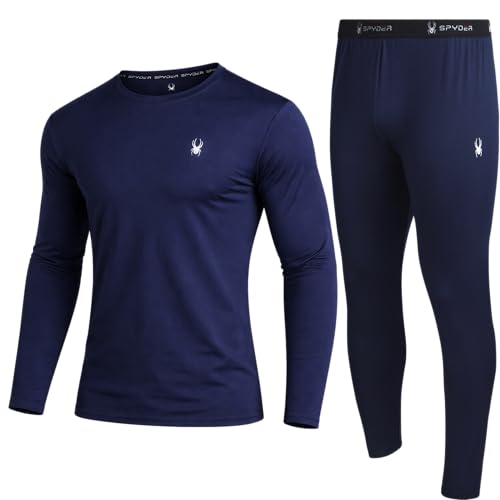
As an Amazon Associate we earn from qualifying purchases at no extra cost to you.
At a Glance
| Option | Best for | Key traits the maker states | Limits |
|---|---|---|---|
| Smartwool Classic Thermal and Intraknit merino | Resort skiers, cold-sensitive riders | Merino wool, with knit zoning on some models | Wool dries slower than polyester and can wear faster at friction points |
| Icebreaker merino (200 and 260 weights) | All-day comfort, travel | Merino in several fabric weights, the number referring to weight | Premium tier; follow wash guidance closely |
| Patagonia Capilene Thermal and Midweight | High-output skiers, heavy sweaters | Recycled polyester built for moisture movement | Synthetics can hold odour more than wool |
| Helly Hansen Lifa and Lifa Merino | Cold, wet climates | Polypropylene Lifa fibre; merino blend versions | Fit differs between lines |
| Under Armour ColdGear | Budget to mid-range, close fit | Synthetic stretch fabric | Often an athletic, tighter cut |
| Merino-synthetic blends (several brands) | Variable weather, durability | Merino plus synthetic for strength | Less wool content than pure merino |
| Technical bases from Arc’teryx, Black Diamond, Rab | Backcountry and touring | Light, fast-drying fabrics | Premium tier |
Line-ups are revised regularly and some names change, so treat the family names above as starting points and read the maker’s current description of fabric and fit.
What a Ski Base Layer Does
A base layer sits against your skin and moves sweat away so the layers above stay drier. It is not the main source of warmth. Warmth comes from the mid-layer and shell; the base layer manages moisture and sets the comfort baseline. Cotton is generally discouraged for skiing because it holds moisture and can leave you cold once damp.
Merino vs Synthetic
Merino wool
Makers and outdoor reviewers commonly note that merino stays comfortable across a range of temperatures and resists odour over multi-day trips. It feels softer than many synthetics. Thin merino can wear faster, particularly at the hips, cuffs and under backpack straps, and it takes longer to dry than polyester.
Synthetic
Polyester and polypropylene fabrics usually dry faster, tolerate frequent washing and often cost less. They are a good option for hard-charging skiers, and many reviewers favour them for high-sweat days. Odour can build faster, although some makers apply treatments to limit it.
Blends
Merino-synthetic blends try to combine the two. They can be a sensible middle path for durability and comfort, and are common in mid-range lines.
Choosing a Weight
- Lightweight: warm days, spring skiing, ski touring and people who run hot.
- Midweight: the common choice for resort skiing in typical winter conditions.
- Heavyweight: very cold conditions, long chairlift exposure, or riders who feel the cold quickly.
Makers label weights differently, so compare grams per square metre when listed instead of relying on words alone. When in doubt, choose midweight and adjust with the mid-layer.
Fit and Compatibility Notes
- A base layer should be close to the skin without restricting movement. Loose fabric cannot move moisture effectively.
- Flat seams or minimal seaming reduce rubbing under ski boots, harness and pack straps.
- Bottoms should reach the top of the ski sock without bunching inside the boot, since bunched fabric can cause pressure spots.
- Thumb loops can keep sleeves in place under gloves, though some people find them annoying.
- Zip-neck tops give ventilation if you tend to overheat on climbs or sunny days.
- Women’s and men’s cuts differ in the torso and hip. Try the cut that suits your shape.
- Pair the top with a high neck or a neck gaiter in very cold, windy conditions.
Care
Follow the garment label. Merino is typically washed on a gentle cycle in cool water and dried flat or on low heat. Avoid fabric softener, which can coat fibres and reduce moisture movement in both wool and synthetics. Merino can often be worn several days between washes, while synthetics usually need washing more often.
Budget Tiers
Budget
Entry-level synthetic sets work well for occasional skiers and children. They move moisture reasonably well and are easy to launder. Expect less softness and more odour retention than merino.
Mid-range
Mid-range merino blends and quality synthetics offer a good balance for people who ski several weekends each season. Many reviewers point to this tier as the best value for the typical skier.
Premium
Premium merino and technical synthetics add refinements such as body-mapped panels, flatlock seams and finer fibres. They are worth considering for frequent skiers, tourers and anyone with sensitive skin who finds standard fabrics itchy. Anyone with skin conditions should follow a clinician’s advice on fabrics.
Pick X If… Decision Table
| If you… | Pick |
|---|---|
| Ski a few days a year in typical conditions | Midweight synthetic or merino blend |
| Sweat heavily or ski hard | Lightweight or midweight synthetic such as Capilene or Lifa |
| Travel on multi-day trips and wash less often | Merino from Smartwool or Icebreaker |
| Feel cold easily | Heavyweight merino or a thermal synthetic |
| Have sensitive skin | Fine-gauge merino or a soft synthetic |
| Tour in the backcountry | Lightweight technical base with zip neck |
| Are buying on a tight budget | Basic synthetic set |
Alternatives
- Separate weights for top and bottom: lightweight top and midweight leggings suits people who run hot on top and cold on the legs.
- Heated base layers or vests: only follow the maker’s instructions and stop using damaged units.
- Outdoor retailer house-brand sets: often cut similarly to the big brands and a reasonable first purchase for newer skiers.
- Thermal liner socks and neck gaiters: small additions that fix common cold spots without changing the base layer.
Common Mistakes When Buying Ski Base Layers
- Buying by warmth alone. A thick base layer can leave you sweaty on the climb to the lift and chilled on the ride up. Moisture management and a layering plan matter more than a single thick garment.
- Choosing the wrong size for a close fit. Going up a size for comfort defeats the purpose, since the fabric has to touch the skin to move moisture.
- Ignoring the sock overlap. Bottoms that stop at the calf can leave a gap, while bottoms that are too long bunch inside the boot.
- Washing with softener or high heat. Both can shorten the life of merino and technical synthetics.
- Skipping a trial run. Wearing a new base layer for a morning of light activity before a ski trip shows whether seams, tags or fabric irritate.
A Simple Layering Plan
A typical resort system has three parts: a base layer for moisture, a mid-layer such as a fleece or light insulated jacket for warmth, and a waterproof, breathable shell for wind and snow. In mild weather the mid-layer may come off. On very cold days a second thin layer under the shell can work better than one heavy garment, because you can remove it. Skiers who run warm often keep the base layer lightweight and rely on the mid-layer to adjust. Skiers who run cold usually move up a base layer weight before adding bulk on top.
Kids and Beginners
Children lose heat quickly and can be reluctant to complain, so a close-fitting synthetic or merino-blend set is a practical starting point. Beginners spend more time standing and falling, so they may need a warmer weight than experienced skiers who stay active. Avoid scratchy seams and labels, and if a child has sensitive skin, ask a clinician for advice on suitable fabrics.
Frequently Asked Questions
Is merino or synthetic better for skiing?
Neither is better for everyone. Merino is comfortable across temperatures and resists odour, while synthetic dries faster and is usually more durable. Pick by how much you sweat and how often you wash.
What weight base layer should I wear skiing?
Midweight is a sensible default for resort skiing. Go lighter for spring or touring, and heavier for very cold days. Adjust the mid-layer first if you are too hot or cold.
Should a base layer be tight?
It should fit close to the skin without restricting motion. Loose fabric reduces the layer’s ability to move moisture away from the body.
Can I wear cotton under ski gear?
It is generally not advised. Cotton holds moisture and can leave you feeling cold once damp. Choose wool or synthetic instead.
How often should I wash a ski base layer?
Synthetic bases are usually washed after each use, while merino can often go several days. Always follow the care label and avoid fabric softener.
Do I need base layer bottoms too?
Many skiers wear them in cold weather because the legs spend long periods on lifts. On warm spring days you may skip them or choose a lightweight pair.