Key takeaways
- One verified pick for trailer hitch ball grease: the 3-IN-ONE Trailer Hitch Gel Lube, a 10 oz gel made for hitch balls, couplers and receivers.
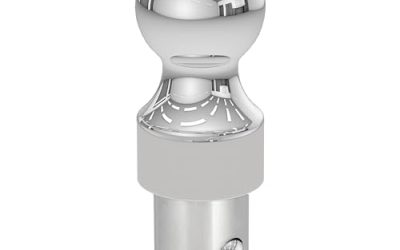
A trailer hitch ball and the coupler that clamps over it are a bare metal-on-metal joint, and that joint never sits still. Every turn, every lane change, and every bump in the road makes the coupler pivot and grind against the ball. Run that joint dry and the two surfaces wear each other down, squeak and groan through slow maneuvers, and pick up surface rust between trips — rust that makes the grinding worse the next time out.
The fix is a thin film of the right lubricant on the ball. This guide covers one verified pick: a gel lube whose listing publishes hitch-specific uses — lubricating trailer hitches, balls and hitch receivers, preventing corrosion, and reducing friction and wear. It is a deliberately narrow guide. Rather than padding it with general-purpose greases borrowed from other jobs, it recommends the one product verified for this exact application, and explains how to choose and use hitch ball grease so you can judge any bottle against the same standard.
As an Amazon Associate, we earn from qualifying purchases.
Quick answer
The pick is the 3-IN-ONE Trailer Hitch Gel Lube (ASIN B081P1K3XV), a 10 fl oz bottle of gel-form lubricant from the WD-40 Company. Its published uses name this job directly: lubricating trailer hitches, balls and hitch receivers, preventing corrosion, reducing friction and wear, and extending the life of the ball, hitch and receiver. Its published upper temperature rating is 500°F. If you want one bottle that lives in the tow kit and is made for the ball-and-coupler joint specifically, this is the one verified here.
Key takeaways
- The ball-and-coupler joint is unlubricated steel on steel from the factory. A purpose-made hitch lubricant is what keeps that contact from wearing, squeaking and corroding.
- This guide has a single verified pick, the 3-IN-ONE Trailer Hitch Gel Lube, because its listing publishes hitch ball and receiver lubrication as its stated use — not as an afterthought.
- Gel form matters at a hitch: a lubricant that stays where it is wiped on keeps working between the ball and coupler instead of flinging or washing off at the first puddle.
- Hitch ball grease is not bearing grease. Grease sold for wheel bearings or marine trailer bearings is formulated for a sealed, rotating application; the ball and coupler are an open, pivoting contact, and this guide treats the two jobs as separate.
- A little goes a long way. A thin, even film over the ball’s contact surface is the goal — excess grease mostly ends up on your hands, your bumper and your clothes.
The pick
3-IN-ONE Trailer Hitch Gel Lube, 10 oz

The 3-IN-ONE Trailer Hitch Gel Lube (model 120107, MPN 12010) is a gel-form lubricant sold in a 10 fl oz bottle, made by the WD-40 Company under its 3-IN-ONE brand. What earns it the spot in this guide is how specifically its listing is written: the published uses are lubricating trailer hitches, balls and hitch receivers, preventing corrosion, reducing friction and wear, and extending ball, hitch and receiver life. That is the exact job this article is about, stated by the maker rather than inferred from a general-purpose label.
The gel form suits the application. A hitch ball needs its lubricant to stay in the contact patch while the coupler rocks and twists on it, and a gel consistency is built to cling rather than run. The listing publishes an upper temperature rating of 500°F, which covers the heat a hitch joint sees in normal towing service. The 10 fl oz bottle is a practical size for the job: hitch ball lubrication uses a small amount per application, so one bottle covers many re-applications across seasons of towing, and it is compact enough to keep with the rest of the towing gear rather than on a workshop shelf across town from the trailer.
Specs
- Product: Trailer Hitch Gel Lube
- Brand: 3-IN-ONE (WD-40 Company)
- Model: 120107 (MPN 12010)
- Form: Gel
- Size: 10 fl oz bottle
- Upper temperature rating: 500°F
- Published uses: Lubricating trailer hitches, balls and hitch receivers; preventing corrosion; reducing friction and wear; extending ball, hitch and receiver life
How to choose
Start with the stated application, not the grease you already own. The most common mistake in this small category is reaching for whatever tub is already in the garage. Bearing grease, chassis grease and marine grease are all real products with real jobs, but those jobs are inside sealed or semi-sealed assemblies. The ball and coupler are exposed to weather, road grit and constant pivoting, so a lubricant whose published uses name hitches, balls and receivers — as the pick above does — is the safer match than a product whose label never mentions a hitch.
Pay attention to the form. Oils and thin sprays wet the surface and then migrate; a gel is formulated to stay put on a vertical, curved contact surface. For a joint that gets handled, coupled and uncoupled, and rained on, staying put is most of the battle. Whatever you choose, it should still be in place on the ball when you unhitch at the end of the trip, not dried to a varnish or washed clean.
Check the temperature rating on the listing. A hitch sits low, near hot pavement in summer and behind a working tow vehicle, and the coupler joint itself generates friction heat. The pick in this guide publishes an upper temperature rating of 500°F. Treat a published rating as a minimum requirement for any alternative you consider, and be wary of products that publish no rating at all.
Think about the container. Hitch ball grease is applied in small amounts, often at a campsite or a boat ramp rather than a bench. A bottle sized for the tow kit — the 10 fl oz bottle here — beats a bulk tub that lives at home, because the best lubricant is the one that is actually with the trailer when the ball looks dry.
Inspect the joint before you grease it. Grease is not a repair. Before applying, wipe the ball and look at the contact surface: heavy scoring, deep rust pitting or a visibly worn flat spot means the ball itself is due for replacement, and fresh lubricant over a damaged ball only hides the problem. Check the coupler the same way — a worn or loose coupler latch will grind no matter what you put on the ball. Grease a sound joint, and replace parts that are past saving.
Reapply on a simple schedule. The film wears with every mile of pivoting and washes down with weather and road spray. A workable habit is to wipe and refresh the film whenever you hitch up after the trailer has sat, after towing in heavy rain, and any time the ball looks dry or the coupler starts to squeak in slow turns. Wipe the old, grit-loaded film off first — gritty grease is an abrasive paste, not a lubricant — then lay down a fresh thin coat.
Apply it to the ball, and keep it there. The working surface is the ball itself, so coat the ball rather than packing grease up inside the coupler, where extra lubricant does nothing but trap grit against the socket. Work with a rag or a disposable glove, spread the film over the whole contact area, and wipe your hands before you touch the coupler latch, the safety chains or the trailer wiring — a greased latch handle and greasy palms help nobody at the ramp. Between trips, a simple cover over the ball keeps the film cleaner and keeps the grease off your trousers when you walk past the hitch; when the trailer will sit for a long stretch, that same covered, greased ball is also the one least likely to greet you with rust in the spring.
Who should skip
Skip this purchase if you do not tow, or if your towing is done entirely with someone else’s maintained equipment — a bottle of hitch lube with no hitch to put it on helps no one. Skip it, for now, if your ball or coupler is worn, scored or rusted through: replace the hardware first and grease the new joint. Also check your setup before greasing if you run a friction-based sway control device — some of those systems depend on friction at the hitch, and their makers’ instructions govern whether and where lubricant belongs. Follow those instructions over any general advice, including this guide’s. And if what you actually need is grease for your trailer’s wheel bearings, this is the wrong shelf: bearing lubrication is a separate application with its own products, covered separately on this site.
FAQ
Why does a hitch ball need grease at all?
Because the coupler pivots on the ball constantly while towing, and the contact is bare steel on steel. Unlubricated, that contact wears both parts, makes noise in slow maneuvers, and leaves the surfaces open to corrosion between trips. The pick in this guide publishes exactly this purpose: reducing friction and wear and preventing corrosion at hitches, balls and receivers.
How much grease should I put on the ball?
A thin, even film over the part of the ball the coupler contacts. You are coating a surface, not packing a bearing. Excess grease does not protect better — it collects road grit and transfers to hands, clothing and the trailer tongue. Wipe off the surplus and leave a clean, continuous film.
Can I use marine grease or wheel bearing grease on the ball instead?
They are different applications. Marine and bearing greases are made for bearings — sealed, rotating parts — and this site covers bearing grease as its own topic. The ball and coupler are an open, exposed, pivoting joint, so this guide recommends a lubricant whose published uses name hitches, balls and hitch receivers. That stated purpose is the difference between the right product and a nearby one.
How often should I reapply it?
Whenever the film is gone: after the trailer has sat unused, after towing through heavy rain, and when the coupler starts to squeak or the ball looks dry and bright. Clean the old film off first so you are not grinding trapped grit into the joint, then apply a fresh thin coat. With a 10 fl oz bottle, reapplying often still leaves plenty in reserve.
Final verdict
Hitch ball grease is a small, unglamorous purchase that protects two parts you really do not want wearing out: the ball and the coupler that trusts it. The verified pick here, the 3-IN-ONE Trailer Hitch Gel Lube, earns its place by being specific — a gel lubricant whose listing names trailer hitches, balls and hitch receivers as its job, with a published 500°F upper temperature rating and a bottle size that suits a tow kit. Keep the joint clean, keep a thin film on it, replace hardware that is worn rather than greasing over the damage, and the quietest part of your next tow should be the hitch itself.
Product and ASIN Reference
| Product | ASIN | Size / Form | Type |
|---|---|---|---|
| 3-IN-ONE Trailer Hitch Gel Lube | B081P1K3XV | 10 fl oz bottle, gel | Hitch ball, coupler and receiver lubricant |
More from Amazon
Programs that pair well with the guide above. Offers and eligibility are set by Amazon and may change.
Free shipping on eligible items, Prime Video and more. Eligible new members can start with a free trial.
Start a Prime free trialA Prime membership for ages 18-24 with a trial period. Eligibility is set by Amazon.
See Prime for Young AdultsAudiobooks and podcasts to listen to on the go. Eligible new members can start with a free trial.
Try Audible freeAd-free music streaming. Eligible new subscribers can start with a free trial.
Try Music Unlimited freeAs an Amazon Associate we earn from qualifying purchases.