Our Short List of 3

- Upper: Full-grain leather
- Shaft height: 4.5 inches
- Midsole: Vibram SPE triple-density foam
- Outsole: Vibram rubber

- Upper: Nubuck leather with abrasion-resistant mesh
- Membrane: GORE-TEX Surround
- Outsole: Vibram Nano XS-Trek
- Ankle system: 3D Flex hinge
- Upper: Suede and nylon
- Membrane: Gore-Tex
- Toe protection: Rubber cap
- Cut: Low
All 5 Picks at a Glance
| Product | Specs | Action |
|---|---|---|
| 1. Danner Mountain 600 — Best Classic Leather Boot |
| Check price on Amazon |
| 2. La Sportiva Nucleo High II GTX — Best Breathable Waterproof Boot |
| Check price on Amazon |
| 3. Asolo Fugitive GTX — Best Low-Cut Technical Boot |
| Check price on Amazon |
 4. Adidas Terrex Skychaser AX5 Mid Gore-Tex — Best Mid-Cut Trail Boot |
| Check price on Amazon |
 5. NORTIV 8 Men’s Ankle High Waterproof Hiking Boots — Best Budget Pick |
| Check price on Amazon |
Key takeaways
- Five hiking boots compared for wet weather, rocky trails and long miles, from a budget waterproof pair to premium leather boots with proven grip.
The best hiking boots for most hikers are the La Sportiva Nucleo High II GTX for wet and technical ground, the Danner Mountain 600 for dry trails and everyday wear, and the NORTIV 8 Men’s Ankle High Waterproof Hiking Boots for hikers who want the lowest tier of entry into the class. The Asolo Fugitive GTX suits fast walkers who prefer a low cut, while the Adidas Terrex Skychaser AX5 Mid Gore-Tex covers the middle ground with a mid-cut collar and a grippy rubber outsole. Together the five span budget, mid-range, and premium tiers, and they cover leather and synthetic uppers, membrane and non-membrane builds, and low, mid, and high cuts.
A hiking boot earns its place on the trail by doing three things at once: protecting the foot from rock and roots, holding grip on loose and wet surfaces, and keeping the foot comfortable over miles that add up. No single boot does all three best for every hiker. A heavy leather boot shields the foot and lasts for seasons, yet it asks more of the legs on a long climb. A light synthetic boot moves fast and dries quickly, yet it gives up some protection and long-term durability. The right choice depends on the terrain underfoot, the weather overhead, the weight on the back, and the shape of the foot inside the boot.
This guide compares five boots that are sold on Amazon and that represent the main branches of the class. Each pick was chosen for a different hiker: the wet-weather walker, the dry-trail traditionalist, the fast and light mover, the all-rounder, and the budget-conscious beginner. Fit matters more than any single feature, so the guide also explains how to judge cut, membrane, outsole, and break-in before committing to a pair.
As an Amazon Associate, we earn from qualifying purchases.
Table of Contents
- Quick Answer
- How to Choose Hiking Boots
- The 5 Best Hiking Boots
- How to Break In and Care for Hiking Boots
- Frequently Asked Questions
- Conclusion
- Product and ASIN Reference
Quick Answer
For wet and technical trails, choose the La Sportiva Nucleo High II GTX. Its GORE-TEX Surround membrane keeps water out while letting moist air escape through vents near the footbed, and its Vibram Nano XS-Trek outsole holds on wet rock and sloppy ground. For dry trails, rocky paths, and daily wear, choose the Danner Mountain 600. Its full-grain leather upper and stitchdown construction make it resoleable, and it breathes better than any membrane boot because it has no membrane at all. For the lowest tier of entry, choose the NORTIV 8 Men’s Ankle High Waterproof Hiking Boots, which pair a waterproof build with a light synthetic upper at the budget tier. Hikers who move fast and prefer a low cut should look at the Asolo Fugitive GTX, while hikers who want one mid-cut boot for mixed conditions should look at the Adidas Terrex Skychaser AX5 Mid Gore-Tex. Try boots on with the socks that will be worn on the trail, walk uphill and downhill in them, and allow time for break-in before a long trip.
How to Choose Hiking Boots
Match the cut to the terrain
Hiking boots come in low, mid, and high cuts, and the cut sets the balance between ankle support and freedom of movement. A low-cut boot moves like a shoe and suits smooth trails, fast day hikes, and hikers with strong ankles. A mid-cut boot wraps the ankle with a padded collar that steadies the foot on uneven ground and keeps grit out, which makes it the most versatile cut for mixed terrain. A high-cut boot extends further up the leg and suits rough ground, heavy packs, and hikers who want maximum support. The five boots in this guide cover all three cuts, so the choice can follow the terrain rather than the other way around. Hikers who carry a heavy pack over rocky ground gain the most from a higher cut, while hikers who move light over smooth paths gain the most from a lower one.
Read the membrane before the label
A waterproof membrane is a thin layer inside the boot that blocks liquid water while letting water vapor pass through. GORE-TEX is the best-known membrane family, and the Surround version used in the La Sportiva pick extends breathability around the foot through vents near the sole. Membrane boots keep feet dry in rain, mud, and stream crossings, yet they also hold warmth inside the boot, which can feel clammy in hot weather. Non-membrane boots such as the Danner Mountain 600 breathe freely and dry fast, yet they soak through in sustained rain. Hikers in wet climates should favor a membrane; hikers in dry and hot climates should favor breathability. A boot labeled waterproof should also have sealed seams and a gusseted tongue, because water enters through stitching and the tongue gap as readily as through the upper itself.
Weigh the upper material
Leather uppers, in full-grain and nubuck forms, resist abrasion, shed scrapes from rock, and mold to the foot over time. They need more break-in and more care, and they weigh more than synthetic uppers. Synthetic uppers built from nylon, mesh, and textile blends weigh less, dry faster, and need little break-in, yet they scuff sooner and offer less protection against sharp rock. The premium picks in this guide lean toward leather, while the budget and mid-range picks lean toward synthetics. Neither material is better in every case. A leather boot suits rocky trails and multi-season use, while a synthetic boot suits warm weather, stream crossings, and hikers who value low weight above all else.
Judge the outsole by the lug pattern
The outsole is the part of the boot that meets the trail, and its lug pattern decides grip. Deep, widely spaced lugs shed mud and bite into soft ground. Shallow, closely spaced lugs grip rock and hardpack. A rubber compound that stays soft in cold weather holds better on wet surfaces than a hard compound that skates across them. Vibram soles appear on three of the five picks in this guide, and the Adidas pick uses a Continental rubber outsole from the same family of high-grip compounds. When comparing boots, press a thumb into the outsole rubber: a compound with some give tends to grip better than a compound that feels like hard plastic. Also check the heel brake, the angled lugs at the back of the heel that slow the foot on descents.
Fit comes before features
A boot that fits poorly will blister the foot no matter how good its membrane or outsole may be. The heel should sit still in the heel cup with no lift on uphill steps. The toes should have room to spread and should not touch the front of the boot on a downhill slope. The widest part of the foot should match the widest part of the boot. Hikers with wide feet should look for wide sizes, which the La Sportiva pick offers, and hikers between sizes should try the larger size with a thicker hiking sock. Lacing matters too: a boot with a locking eyelet or hook at the ankle lets the wearer tighten the ankle independently of the forefoot. Always try boots late in the day, when feet are slightly swollen, and walk on an incline if one is available.
Consider weight and pack load
Boot weight adds up over miles because the foot lifts the boot with every step. A light boot saves energy on day hikes and fast trips, while a heavier boot earns its weight through protection and durability under a heavy pack. As a rule, the heavier the pack and the rougher the ground, the more boot is justified. The light synthetic picks in this guide suit day hikes and light overnight trips, while the leather picks suit multi-day trips with a full pack. Hikers who are unsure should favor the lighter boot for day hikes and the sturdier boot for backpacking, rather than buying one heavy boot for every outing.
Break-in is part of the purchase
Leather boots need break-in time before a long trip. The leather softens, the footbed molds, and the collar shapes to the ankle over several shorter walks. Synthetic boots need far less break-in, yet they still benefit from a few outings before a multi-day trip. A boot that feels stiff or pinches on a short walk will not improve on a long one. Plan break-in walks on varied ground, wear the socks that will be used on the trail, and carry a light pack to settle the fit under load.
The 5 Best Hiking Boots
1. Danner Mountain 600 — Best Classic Leather Boot
- Upper: Full-grain leather
- Shaft height: 4.5 inches
- Midsole: Vibram SPE triple-density foam
- Outsole: Vibram rubber
The Danner Mountain 600 is the classic leather hiking boot in this guide, and it is the pick for hikers who value durability, repairability, and a traditional feel underfoot. Danner built the Mountain 600 as a modern take on its mountain light heritage, with a full-grain leather upper, a stitchdown construction, and a Vibram SPE midsole. The result is a boot that looks at home on the trail and on the street, and that can be resoled when the outsole wears down rather than thrown away. For hikers who walk dry and rocky trails and who want a boot that lasts for seasons, it is the most rewarding pick here.
The full-grain leather upper is the heart of the boot. It resists scuffs from rock and brush, sheds light rain, and molds to the foot over time in a way that synthetic uppers do not. The leather needs conditioning to stay supple, and it needs break-in walks before a long trip, yet the payoff is a fit that becomes personal with wear. The shaft stands 4.5 inches high, which gives ankle coverage without the restriction of a tall backpacking boot. The collar is padded enough to stay comfortable over long miles, and the lacing runs through metal eyelets and hooks that hold a setting on uneven ground.
Underfoot, the Mountain 600 uses a Vibram SPE midsole, a triple-density foam unit that cushions the heel strike and supports the arch through the stride. The Vibram rubber outsole grips rock and hardpack, and the lug pattern is deep enough for loose trail surfaces without clogging in mud. An OrthoLite footbed adds cushioning under the heel and arch and can be removed to fit an aftermarket insole. The stitchdown construction, in which the upper is stitched directly to the midsole, is the feature that makes the boot resoleable: a cobbler can replace the outsole when it wears, which extends the life of the boot well beyond that of a glued boot.
The Mountain 600 has no waterproof membrane, and that is a deliberate trade rather than an omission. Without a membrane the boot breathes freely, which keeps feet cooler on warm days and lets the leather dry quickly after a stream crossing. The trade is that sustained rain will soak through the leather, so hikers in wet climates should pair it with waterproof socks or choose a membrane boot from this guide instead. For dry trails, desert paths, and summer hiking, the breathability is an advantage that membrane boots cannot match.
Fit runs true to size for most hikers, with a medium width that suits a standard foot. Hikers with wide feet should try the wide version, which Danner offers in this family. The boot feels firm out of the box, and the leather needs several walks to soften, so it should not be taken on a multi-day trip straight from the box. Once broken in, it settles into a stable and supportive stride that suits long days on rocky ground. The weight is noticeable next to the synthetic picks in this guide, yet the protection and durability justify it for hikers who walk rough trails with a loaded pack.
The Mountain 600 suits hikers who want one leather boot for years of use, who walk mainly in dry conditions, and who value the ability to resole a boot rather than replace it. It suits rocky trails, forest paths, and everyday wear between trips. It is less suited to wet climates, to stream-heavy routes, and to hikers who count every ounce. For the hiker who wants a traditional boot with modern cushioning, it remains a benchmark in the class.
2. La Sportiva Nucleo High II GTX — Best Breathable Waterproof Boot
- Upper: Nubuck leather with abrasion-resistant mesh
- Membrane: GORE-TEX Surround
- Outsole: Vibram Nano XS-Trek
- Ankle system: 3D Flex hinge
The La Sportiva Nucleo High II GTX is the most technically advanced waterproof boot in this guide, and it is the pick for hikers who walk wet and steep ground and want a boot that stays dry without turning clammy. La Sportiva built the Nucleo High II around a GORE-TEX Surround membrane, a system that moves moist air out through vents near the footbed as well as through the upper. The result is a leather boot that breathes far better than a standard membrane boot, which matters on long climbs where sweat builds inside the boot as surely as rain falls outside it.
The upper pairs nubuck leather with abrasion-resistant mesh, a combination that gives the boot the durability of leather where the trail scrapes and the breathability of mesh where the foot needs air. The leather panels protect the toe and the sides of the foot, while the mesh panels sit where flex and airflow matter most. The high collar wraps the ankle with padding that steadies the foot on uneven ground and keeps grit out on loose trails. A 3D Flex ankle hinge lets the ankle move naturally through the stride while holding the heel in place, which reduces the rubbing that causes blisters on long descents.
Underfoot, the Vibram Nano XS-Trek outsole grips wet rock, muddy slopes, and loose scree with a lug pattern tuned for technical ground. The rubber compound stays grippy on damp surfaces, which is where many boots lose their footing. A 2.5 mm polypropylene stiffener in the midsole keeps the boot from flexing too much over jagged rock, which protects the arch from fatigue on long rocky days. The boot is resoleable, which extends its life for hikers who wear through outsoles before uppers. Wide sizes are available, which matters for hikers whose feet spread under load.
The GORE-TEX Surround membrane deserves a closer look because it is what sets this boot apart. In a standard membrane boot, the membrane lines the upper only, and moisture escapes upward through the leather and mesh. In the Surround system, the membrane also wraps under the foot, and side vents near the footbed let moist air leave through the sole area. The effect is a boot that stays dry in rain and stream crossings yet feels less humid inside after hours of walking. It is not a boot for hot and dry weather, where a non-membrane boot breathes better, yet for wet climates and shoulder seasons it is the strongest waterproof option in this guide.
Fit runs narrow, in the Italian tradition of the brand, so hikers with wide feet should choose the wide version and hikers between sizes should try the larger size. The boot needs a short break-in period: the leather softens and the collar shapes to the ankle over a few walks. Once broken in, the Nucleo High II GTX settles into a light and agile stride for a leather waterproof boot, and it carries well under a light to medium pack. It suits wet trails, steep ascents, stream crossings, and multi-day trips in changeable weather. It is less suited to hot desert hiking, where its membrane holds warmth, and to hikers who prefer a roomy fit without sizing up.
For the hiker who walks in rain, mud, and wet rock and wants the best balance of waterproofing and breathability in a leather boot, the Nucleo High II GTX is the pick. It costs more than the synthetic boots in this guide, yet the membrane system, the Vibram outsole, and the resoleable build justify the premium tier for serious use.
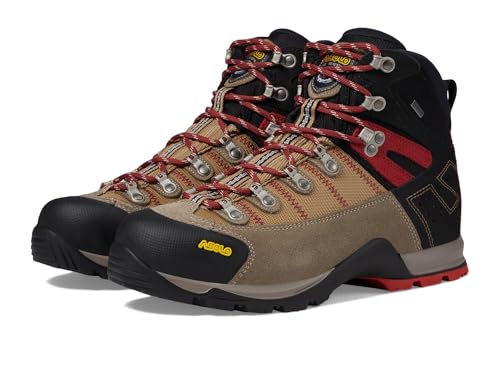
3. Asolo Fugitive GTX — Best Low-Cut Technical Boot
- Upper: Suede and nylon
- Membrane: Gore-Tex
- Toe protection: Rubber cap
- Cut: Low
The Asolo Fugitive GTX is the low-cut technical boot in this guide, and it is the pick for fast hikers who want a boot that moves like a shoe yet still protects the foot on rough ground. Asolo built the Fugitive GTX from suede and nylon with a Gore-Tex membrane, a rubber toe cap, and a Vibram rubber outsole. The low cut frees the ankle for a natural stride, which suits hikers who move quickly over trails that do not demand heavy ankle support. For day hikes, fastpacking, and approaches to climbing areas, it is the most agile pick here.
The suede and nylon upper balances protection and weight. Suede panels shield the foot from scrapes and give the boot structure, while nylon panels keep the weight down and let air move through the upper. The rubber toe cap guards the front of the boot against rock strikes and stubbed toes, which is the most common source of wear on a low-cut boot. The Gore-Tex membrane lines the boot and keeps rain and shallow stream water out, so the low cut does not mean wet feet in normal trail conditions. Sealed seams and a gusseted tongue close the remaining paths that water uses to enter a boot.
The Vibram rubber outsole grips rock, roots, and loose trail surfaces with a lug pattern that sheds mud rather than packing it in. The lugs are deep enough for soft ground yet closely spaced enough for hardpack, which makes the boot versatile across the mixed surfaces of a typical day hike. The midsole cushions the heel strike without feeling soft or vague underfoot, and the low cut keeps the overall weight down, which saves energy over a long day. Hikers who are used to trail shoes will find the transition easy, while hikers used to high boots will notice the extra freedom at the ankle on every step.
Fit is the key question with a low-cut boot, because the ankle collar cannot hold the heel the way a mid or high collar does. The Fugitive GTX laces down close to the ankle, and the heel cup is shaped to hold the heel in place without a high collar. Hikers should try the boot with the socks they will wear on the trail and walk downhill in it, because heel lift shows up first on descents. The boot needs little break-in: the suede softens quickly and the nylon flexes from the first walk. That makes it a good choice for a hiker who needs a boot ready for a trip with little preparation time.
The Fugitive GTX suits fast day hikes, smooth to moderately rough trails, and hikers who prefer the feel of a shoe with the protection of a boot. It suits warm weather hiking, where the low cut vents heat, and mixed terrain where grip matters more than ankle support. It is less suited to heavy packs, to very rough and rocky ground where the ankle needs bracing, and to deep mud and snow where a higher cut keeps debris out. For the hiker who moves fast and light, it is the right tool.
4. Adidas Terrex Skychaser AX5 Mid Gore-Tex — Best Mid-Cut Trail Boot
- Upper: Textile and synthetic with mid-cut collar
- Membrane: Gore-Tex
- Outsole: Continental rubber
- Midsole: EVA
The Adidas Terrex Skychaser AX5 Mid Gore-Tex is the all-rounder in this guide, and it is the pick for hikers who want one mid-cut boot for mixed conditions without stepping into the premium tier. Adidas built the Skychaser AX5 Mid around a Gore-Tex membrane, a Continental rubber outsole, and an EVA midsole, with a mid-cut collar that steadies the ankle on uneven ground. It is a modern trail boot: light for its height, grippy on wet surfaces, and comfortable from the first walk. For hikers who walk a mix of forest paths, rocky trails, and wet weather, it covers the most ground for the tier.
The upper uses textile and synthetic panels with a mid-cut collar that wraps the ankle in padding. The collar keeps grit out and steadies the foot on side slopes, while the textile panels keep the boot light and let it dry quickly after rain. The Gore-Tex membrane lines the boot and blocks rain and shallow water, and the gusseted tongue keeps debris and water from entering through the lacing. The combination suits hikers who walk in changeable weather and do not want to choose between a summer boot and a rain boot.
Underfoot, the Continental rubber outsole is the standout feature. Continental rubber compounds were developed for grip on wet roads, and the same compound gives the Skychaser traction on wet rock, muddy paths, and slick roots. The lug pattern is aggressive enough for loose ground yet regular enough for hardpack, which makes the boot sure-footed across the surfaces of a typical trail. The EVA midsole cushions the stride and keeps the boot light, and the midsole holds its shape over long miles rather than packing down. The boot feels cushioned without feeling soft, which suits hikers who walk long days and want support late in the day as much as early.
Fit runs true to size with a medium width that suits most feet. The boot needs little break-in: the synthetic upper flexes from the first walk and the collar softens quickly. Hikers should still try the boot with trail socks and walk downhill in it to check for heel lift and toe room. The mid-cut collar gives enough support for a medium pack on rough ground, yet the boot stays light enough for fast day hikes. That range is the reason it earns the all-rounder label in this guide.
The Skychaser AX5 Mid Gore-Tex suits hikers who want one boot for most outings: day hikes in mixed weather, overnight trips with a medium pack, and trails that mix rock, mud, and roots. It suits wet climates better than the non-membrane Danner pick and dry trails better than a heavy leather backpacking boot. It is less suited to very rough ground under a heavy pack, where a stiffer leather boot protects better, and to hikers who want a resoleable boot for many seasons. For the hiker who wants a capable mid-cut boot at the mid-range tier, it is the balanced choice.
5. NORTIV 8 Men’s Ankle High Waterproof Hiking Boots — Best Budget Pick
- Upper: Synthetic and mesh
- Waterproofing: Waterproof membrane
- Outsole: Rubber with multi-direction lugs
- Cut: Ankle-high
The NORTIV 8 Men’s Ankle High Waterproof Hiking Boots are the budget pick in this guide, and they are the choice for hikers who want a waterproof boot at the lowest tier without giving up the essentials. NORTIV 8 built this boot from synthetic and mesh with a waterproof membrane, a rubber outsole with multi-direction lugs, and a removable cushioned insole. It is a straightforward boot: ankle-high, light, waterproof, and ready to walk from the first outing. For beginners, occasional hikers, and anyone testing whether hiking is a lasting habit, it is the sensible entry point.
The synthetic and mesh upper keeps the boot light and lets it dry quickly after rain or a stream crossing. Mesh panels move air through the boot, which keeps feet cooler on warm days than a leather boot would. The waterproof membrane sits inside the upper and blocks rain and shallow water, so the boot handles wet trails and muddy paths that would soak a non-waterproof shoe. The ankle-high cut wraps the ankle with padding that steadies the foot on uneven ground and keeps grit out, while still allowing a natural stride. The collar is soft enough to stay comfortable over a full day, which matters for hikers who are still building trail fitness.
The rubber outsole uses multi-direction lugs that grip in several directions, which helps on loose gravel, muddy slopes, and wet roots. The lugs are spaced to shed mud rather than pack it, and the heel area is shaped to brake the foot on descents. A removable cushioned insole sits under the foot and can be swapped for an aftermarket insole or an orthotic, which is a useful feature at this tier. The midsole cushions the heel strike without adding much weight, and the boot as a whole feels light next to the leather picks in this guide.
Fit runs true to size for most hikers, and the boot needs almost no break-in. The synthetic upper flexes from the first walk, and the padded collar shapes to the ankle quickly. Hikers should try the boot with the socks they will wear on the trail and walk on an incline to check heel hold and toe room. The boot suits day hikes, park trails, and light overnight trips in wet and mixed weather. It suits hikers who walk occasionally and want a waterproof boot without committing to a premium tier. It is less suited to heavy packs, to very rough and rocky ground where a stiffer boot protects better, and to multi-day trips where long-term durability matters most. The synthetic upper will show wear sooner than leather, yet at this tier the trade is a fair one.
For the hiker who wants a waterproof boot for weekend trails at the budget tier, the NORTIV 8 pick delivers the essentials: a waterproof membrane, a grippy rubber outsole, an ankle-high cut, and a light and comfortable fit. It is the right place to begin, and it leaves room to step up to a leather or premium boot later if the miles add up.
How to Break In and Care for Hiking Boots
Break-in and care decide how long a boot lasts and how comfortable it stays. Leather boots need several short walks before a long trip: wear them around the house, then on short trails, then on a longer walk with a light pack. The leather softens, the footbed molds, and the collar shapes to the ankle. Synthetic boots need less time, yet a few outings before a big trip still help the fit settle. Never take a new leather boot on a multi-day trip without break-in walks first.
Care begins after every walk. Knock mud off the outsoles and brush dirt from the uppers before it dries and cracks the material. Remove the insoles and loosen the laces so air circulates inside the boot, and let boots dry at room temperature away from direct heat, which can warp leather and delaminate soles. Stuffing boots with newspaper speeds drying and holds their shape. Leather boots benefit from conditioning a few times a season to keep the leather supple and water-resistant, while membrane boots should be cleaned so dirt does not clog the membrane. Store boots in a cool and dry place with the laces loosened and the tongues pulled forward, and replace the insoles when they pack down. A boot that is cleaned and dried after every outing will outlast a boot that is left muddy in a closet.
Frequently Asked Questions
Do hiking boots need to be waterproof?
Not always. A waterproof membrane helps in rain, mud, and stream crossings, yet it also holds warmth inside the boot. Hikers in wet climates should choose a membrane boot, while hikers in dry and hot climates often do better with a breathable non-membrane boot such as the Danner Mountain 600. The right answer follows the weather on the trails that will be walked most.
How should hiking boots fit?
The heel should sit still with no lift on uphill steps, the toes should have room to spread and should not touch the front on downhills, and the widest part of the foot should match the widest part of the boot. Try boots late in the day with trail socks, walk on an incline when possible, and choose the larger size when between sizes. Hikers with wide feet should look for wide sizes, which several picks in this guide offer.
How long should hiking boots last?
Lifespan depends on miles, terrain, and care. A leather boot that is resoleable can last for many seasons when the outsole is replaced as it wears, while a light synthetic boot may wear sooner under hard use. Cleaning boots after every walk, drying them away from direct heat, and conditioning leather a few times a season all extend life. Worn lugs, a packed-down midsole, and a cracked upper are signs that a boot is near the end of its service.
Can hiking boots be worn for everyday use?
Yes, and several picks in this guide suit daily wear. The Danner Mountain 600 is the strongest everyday choice because its leather upper and classic shape work on the street as well as on the trail. The Adidas Terrex Skychaser AX5 Mid Gore-Tex also works for daily wear in wet weather. Everyday wear does wear the outsole faster, so hikers who walk daily may want a separate pair for the trail.
Conclusion
The best hiking boot is the one that matches the trail, the weather, and the foot. The La Sportiva Nucleo High II GTX leads for wet and technical ground with its GORE-TEX Surround membrane and Vibram Nano XS-Trek outsole. The Danner Mountain 600 leads for dry trails and long-term value with its full-grain leather upper and resoleable stitchdown build. The Asolo Fugitive GTX leads for fast and light hiking with its low cut and Gore-Tex membrane, while the Adidas Terrex Skychaser AX5 Mid Gore-Tex leads as the all-rounder for mixed conditions at the mid-range tier. The NORTIV 8 Men’s Ankle High Waterproof Hiking Boots lead for beginners and budget-conscious hikers who want a waterproof boot without a premium commitment. Try the chosen boot with trail socks, allow time for break-in, and keep it clean and dry between outings, and it will return the effort over many miles of trail.
Product and ASIN Reference
| Product | ASIN |
|---|---|
| Danner Mountain 600 | B01CO1EVWK |
| La Sportiva Nucleo High II GTX | B0CS7B6N77 |
| Asolo Fugitive GTX | B0CT5YRLSC |
| Adidas Terrex Skychaser AX5 Mid Gore-Tex | B0DHVT9K96 |
| NORTIV 8 Men’s Ankle High Waterproof Hiking Boots | B07L5KC9Z4 |
More from Amazon
Programs that pair well with the guide above. Offers and eligibility are set by Amazon and may change.
Free shipping on eligible items, Prime Video and more. Eligible new members can start with a free trial.
Start a Prime free trialA Prime membership for ages 18-24 with a trial period. Eligibility is set by Amazon.
See Prime for Young AdultsAudiobooks and podcasts to listen to on the go. Eligible new members can start with a free trial.
Try Audible freeAd-free music streaming. Eligible new subscribers can start with a free trial.
Try Music Unlimited freeAs an Amazon Associate we earn from qualifying purchases.