Key takeaways
- Compare the best decoy rigging kit options for duck spreads, from Texas rigs and coated cable anchors to jerk rig and spreader systems that add motion.
Choosing a decoy rigging kit is really a decision about your mornings: how deep you wade, how much wind and current your spot holds, and how tangled you are willing to get at pickup time in the dark. A line that is too long, a weight that is too light, or a cable that remembers every coil will cost you birds and patience all season long.
This guide is for walk-in marsh hunters, boat hunters running a dozen or more floaters, and anyone adding motion to a still spread on calm days. Every product below was picked from the name and specifications shown on its Amazon product page, then checked against a second source, so the lengths, weights, and pack counts you see are the ones printed on the listing itself.
Quick Picks
As an Amazon Associate we earn from qualifying purchases
| Product | Best for | Key spec from title |
|---|---|---|
| Mojo Outdoors Texas-Style Decoy Rig | Walk-in hunts in shallow, low-wind marsh | 4 oz weight, 36-inch length |
| Rig’Em Right Xtreme Coated Cable Decoy Anchors | A full dozen in wind and chop | 54-inch length, 6-oz weights, 12-pack |
| Motion Ducks Ultimate Decoy Spreader and Jerk Rig | Calm days when a still spread gets ignored | Spreader and jerk rig system, model Md-7 |
| Volein 12-Pack Decoy Rigging Kit | Rigging a dozen decoys on flexible steel cable | 12-pack, steel cable anchors |
How to Choose
Match Line Length to Your Water Depth
Line length decides whether a decoy rides naturally or drags its weight across the bottom. In flooded timber and marsh that is knee deep, a 36-inch rig keeps the weight under the bird without leaving coils of slack for other lines to catch. In a four-foot slough or a river edge, that same short rig pulls the decoy down and makes it sit unnaturally low. Measure the deepest spot you actually hunt, add a little room for the decoy to swing, and buy the length that covers it instead of guessing long and fighting tangles every morning.
Pick Weight for Wind, Current, and Bottom
Weight is what keeps your spread where you put it. A 4-ounce anchor is plenty for a sheltered pothole with a soft bottom, and it keeps a walk-in load light across a dozen birds. Move to open water, a tidal edge, or a windy reservoir point and that light weight starts walking across the bottom, bunching your decoys into one corner of the pocket. Six ounces holds far better in chop and light current. Check the bottom too: smooth weights roll on hard sand, while wider weights bite into mud and stay put once they settle.
Decide Between Mono, Coated Cable, and Steel Cable
The line material changes how a kit behaves in cold hands. Heavy monofilament, like the 400-pound line on the Mojo rig in this guide, slides through the keel so the decoy drops to the weight at pickup, which speeds up gathering birds. Coated steel cable has less memory, so it falls straighter, resists tangles in the bag, and shrugs off abrasion around stumps and ice edges. Uncoated or lightly wrapped steel cable is flexible and strong but can kink if it is crushed in storage. Match the material to how roughly your rigs get treated between hunts.
Choose Pre-Rigged Anchors or a Motion System
A pre-rigged dozen anchors solves one job: every decoy gets its own line and weight, ready to throw. A jerk rig or spreader system solves a different job, moving several decoys together so the spread looks alive on windless mornings when nothing else moves. Many hunters end up owning both, anchoring the bulk of the spread on Texas rigs and clipping a few birds to a jerk line near the landing pocket. Decide which problem you actually have first, because buying motion gear will not fix decoys that keep drifting, and more anchors will not fix a lifeless spread.
The 4 Best Options
Mojo Outdoors Texas-Style Decoy Rig

This is the straightforward pick for hunters who wade into shallow marsh and want a light, simple rig that clips on fast. Each decoy connects with a simple snap to heavy-duty monofilament, and the line lets the decoy slide naturally down to the weight when you pick it up, so a dozen birds gather onto the loop without a wrestling match. The 4-ounce weight and 36-inch length suit sheltered water where you are not fighting heavy wind, and the whole setup is easy to carry into hard-to-reach spots on foot.
Specs
- Weight: 4 oz per rig
- Length: 36 inches
- Line: heavy-duty 400-pound monofilament
- Connection: simple snap, decoy slides to the weight at pickup
- Model: Hw2103
Best for: Walk-in hunters rigging a small spread in shallow, low-wind marsh and timber.
Watch out for: The 4-ounce weight and short line are not built for deep open water or strong current, so check your depth before ordering.
Rig’Em Right Xtreme Coated Cable Decoy Anchors
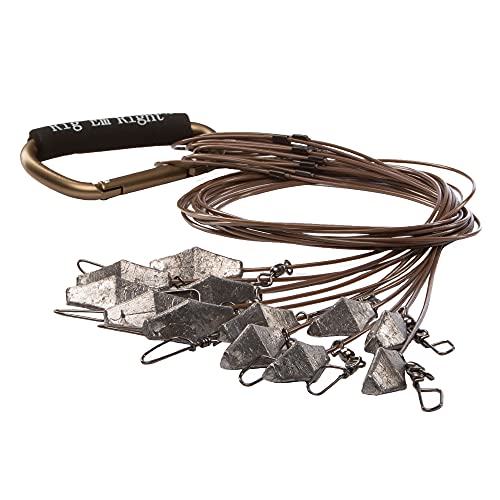
Hunters who run a full dozen in exposed water will appreciate the heavier build here. The coated cable resists tangles and carries a lifetime of hard use better than plain mono, while the 6-ounce weights hold position when wind pushes against a big spread. Twelve pre-rigged anchors arrive ready to clip on, and the large padded carabiner keeps the whole bundle together in the boat or bag. Heavy-duty crimps and swivels are sized for waterfowl work rather than light fishing duty, which matters when cold, gloved hands are yanking rigs free of mud and stumps.
Specs
- Pack: 12 pre-rigged anchors
- Length: 54 inches
- Weight: 6 oz per anchor
- Line: Xtreme coated cable, tangle free design
- Included: large padded carabiner clip, heavy-duty crimps and swivels
Best for: Boat and blind hunters anchoring a dozen decoys in wind, chop, or light current.
Watch out for: At 54 inches these are longer than timber hunters need, so confirm the length suits your water instead of creating slack tangles.
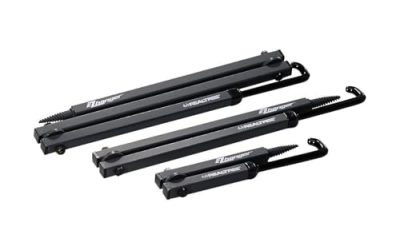
Motion Ducks Ultimate Decoy Spreader and Jerk Rig

When the wind dies and a static spread starts looking like a row of toys, this system is the answer in this guide. The spreader holds decoys apart in a small flock pattern instead of a single-file line, and the jerk rig lets you pull them into a swimming motion from the blind, rippling the water around them. It suits hunters who already have their anchoring sorted and want movement for wary, educated birds late in the season. Because it works several decoys as one unit, it also simplifies picking up that part of the spread at the end of a hunt.
Specs
- Brand: Motion Ducks
- Model name: Md-7
- Part number: Md-7
- Item weight: 2.8 pounds
- Included components: Rig
- Size: One Size
Best for: Calm-day hunters who want a group of decoys to swim and ripple on a pull cord.
Watch out for: This is a motion system for a group of decoys, not a dozen individual anchors, so check that your other rigging is already covered.
Volein 12-Pack Decoy Rigging Kit

This kit suits hunters rigging a full dozen who prefer steel cable over mono but want a flexible line that is easy to handle. The cable is wrapped for durability, the rigs come pre-assembled, and the quick-linking design lets you hook each decoy on without tying or crimping anything at the kitchen table the night before. The tangle-free layout means birds come out of the bag ready to throw, which beginners and anyone setting up alone in the dark will value. It is a practical middle ground between basic mono rigs and heavier coated-cable sets.
Specs
- Pack: 12 decoy rigs
- Weight: 4 oz per rig
- Cable: PVC-wrapped steel cable structure
- Design: tangle-free, pre-assembled rigs
- Connection: quick linking to the decoy
Best for: Hunters rigging a dozen duck decoys who want flexible steel cable and no assembly work.
Watch out for: Confirm the 4-ounce weight is enough for your water, since exposed or moving water usually calls for a heavier anchor.
Which One Fits Your Situation
You Walk In and Hunt Shallow Marsh
Pick the Mojo Outdoors Texas-Style Decoy Rig. Its 36-inch line and 4-ounce weight keep a walk-in load light, the snap connection is fast with cold hands, and the sliding design gathers decoys quickly when it is time to leave. In sheltered, knee-deep water you will never miss the extra length or weight you left behind, and carrying a dozen rigged birds out on the loop is noticeably easier than hauling heavier cable sets over the same levee walk.
You Hunt Open Water From a Boat
Pick the Rig’Em Right Xtreme Coated Cable Decoy Anchors. The 54-inch coated cable reaches deeper water, the 6-ounce weights hold a dozen decoys against wind and chop, and the padded carabiner keeps the bundle organized between the ramp and the blind. Coated cable also tolerates being tossed in a boat floor season after season. If your spread keeps bunching into one corner on windy mornings, this heavier, longer setup is the direct fix among the kits in this guide.
Your Spread Looks Dead on Calm Mornings
Pick the Motion Ducks Ultimate Decoy Spreader and Jerk Rig. Anchors alone cannot move a decoy, and on windless days movement is often the difference between birds circling and birds committing. The spreader keeps a small group spaced like a real flock while the pull cord makes them swim and ripple the surface. Run it in the landing pocket, keep your anchored decoys around it, and you get motion exactly where you want finishing birds to focus.
You Are Rigging Your First Dozen Decoys
Pick the Volein 12-Pack Decoy Rigging Kit. It arrives pre-assembled, links to each decoy quickly, and the flexible steel cable is forgiving to handle and store while you learn how long your lines really need to be. The 4-ounce weights cover the sheltered ponds and marsh edges most new hunters start on. Once you know your water, you can step up to a heavier coated-cable set with a clearer idea of what to buy.
Common Mistakes
- Buying one line length for every spot, then fighting slack tangles in shallow timber or watching decoys sit too low and strained in deeper water.
- Choosing the lightest weight to save carry weight, then spending the hunt resetting decoys that the wind has pushed into a single bunch.
- Mixing mono, cable, and cord rigs loose in one bag, which guarantees a knotted bundle that takes longer to sort than the hunt setup itself.
- Rigging every decoy on a jerk line for motion, leaving no independently anchored birds to hold the overall shape of the spread when the cord goes slack.
- Storing rigs wet and muddy in a closed bag all off-season, which corrodes swivels and crimps and weakens line before the next opener.
Frequently Asked Questions
How long should my decoy rigging lines be?
Match the line to the deepest water you hunt regularly, with a little extra so the decoy can swing naturally. Thirty-six inches covers most shallow marsh and timber, while 54-inch rigs suit deeper sloughs and river edges. Lines that are far longer than the depth create slack that tangles in the bag and lets decoys drift wider than you intended, so longer is not automatically better for every hunter.
Is coated cable better than monofilament for decoy rigs?
Neither is better for everyone. Coated steel cable has less memory, falls straighter, and resists abrasion around stumps and ice, which suits rough boat hunting. Heavy monofilament slides smoothly through the keel, making pickup faster, and it stays flexible in cold weather. Think about storage and handling: cable tolerates abuse in a boat, while mono rewards the quickest possible gather at the end of a hunt.
How much weight do I need per decoy?
Four ounces holds well in sheltered marsh, potholes, and flooded timber where wind and current are minimal. Move to open lakes or tidal water and six ounces is the safer starting point, because a drifting decoy pulls its neighbors out of position. Bigger goose floaters catch more wind than small teal decoys, so size your weight to the largest decoys in your spread rather than the smallest.
Do I need a jerk rig as well as anchor rigs?
Only if still spreads are costing you birds. Anchor rigs position each decoy and hold it there, which every hunter needs. A jerk rig or spreader adds movement to a small group, which matters most on calm, sunny days and late in the season when birds have seen many static spreads. Many hunters anchor most of the spread and add one motion system in the landing zone.
More from Amazon
Programs that pair well with the guide above. Offers and eligibility are set by Amazon and may change.
Free shipping on eligible items, Prime Video and more. Eligible new members can start with a free trial.
Start a Prime free trialA Prime membership for ages 18-24 with a trial period. Eligibility is set by Amazon.
See Prime for Young AdultsAudiobooks and podcasts to listen to on the go. Eligible new members can start with a free trial.
Try Audible freeAd-free music streaming. Eligible new subscribers can start with a free trial.
Try Music Unlimited freeAs an Amazon Associate we earn from qualifying purchases.