Key takeaways
- Rotate two pairs if you play often so the midsoles can recover between sessions.
- Wipe the outsole before play on indoor courts to preserve grip.
- Air-dry shoes after use. Avoid machine drying, which can damage adhesives and foam.
- Replace shoes when the tread is smooth, the midsole feels flat, or the upper has lost structure.
- Keep outdoor and indoor pairs separate where possible.
For most women who play basketball, the best shoe is one from a current signature or performance line that fits your foot shape and your position: a low-cut, quick-feeling shoe such as Nike’s Sabrina line suits guards, a cushioned and supportive model suits bigs and heavy-contact players, and a budget-friendly team shoe suits recreational leagues and school play. Fit matters more than any brand, so use the sizing and lockdown notes below before choosing. This guide compares the main options, explains what the specs mean, and matches each shoe type to a player.
Our top picks
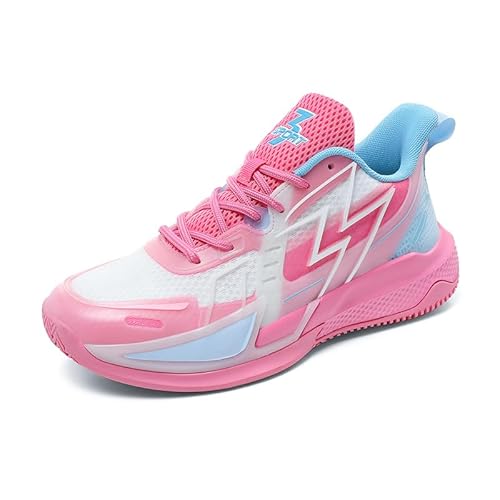


As an Amazon Associate we earn from qualifying purchases at no extra cost to you.
At a Glance: Shoe Families Compared
| Shoe family | Best for | Key stated features | Limits |
|---|---|---|---|
| Nike Sabrina line (Sabrina Ionescu signature) | Guards who want a low, quick, responsive shoe | Maker positions it as a lightweight, court-feel design built with a woman’s foot and playing style in mind | Less plush cushioning than some max-cushion shoes; check width fit |
| Nike A’One line (A’ja Wilson signature) | Forwards and bigs who want a stable platform | Maker lists a design shaped around Wilson’s game and pairs it with a supportive build | Availability and colorways vary by season |
| Under Armour Curry line | Shooters and guards who want a flat, grippy feel | Maker lists low-profile, flat-profile designs and traction patterns | Can feel firm; sizing varies between models |
| Puma Stewie line (Breanna Stewart signature) | Versatile wings and forwards | Maker positions it as a performance shoe from a signature collection | Narrower distribution than the major brands in some regions |
| Adidas basketball models (such as Dame, Harden, or Anthony Edwards lines) | Players who like a snug, supportive fit | Maker lists cushioning and traction options by model | Men’s-marketed sizing; use a conversion chart |
| Budget team shoes from major brands | Recreational players, school PE, entry-level leagues | Simpler cushioning and rubber outsoles | Less refined support and durability |
Specific model names change quickly, with new versions appearing on a yearly cadence. Always look for the maker’s current numbered model, and treat previous generations as a way to find a lower-tier option rather than as a different shoe.
What Matters When Buying
Fit and sizing
Many basketball shoes are designed on men’s lasts. A common conversion used by retailers and makers is that a men’s size runs about 1.5 sizes smaller than a women’s size (for example, a women’s 9 corresponds to a men’s 7.5), but each maker publishes its own chart, so use it. If your feet are narrow, look for models that mention a snug midfoot. If your feet are wide, check whether a wide option exists or whether reviewers say the shoe runs narrow. Leave about a thumb’s width of space at the toe and ensure the heel does not lift.
Cushioning
Cushioning systems differ: foam midsoles, air units, and combination setups. Low-profile shoes keep you closer to the floor for quick cuts, and they typically feel firmer. Heavier-cushioned shoes absorb more impact, which can suit players who jump often or play on hard surfaces. Neither is universally better, and the choice is mostly about feel.
Traction
Outsole pattern and rubber compound control grip. Herringbone and multidirectional patterns are common. Indoor courts that are dusty reduce traction for any shoe, so wipe the soles regularly. Outdoor courts wear rubber much faster, and an outdoor-specific outsole or an older pair for the park saves your best shoes.
Ankle support and collar height
Low-tops give freedom and speed, mid-tops balance support and mobility, and high-tops give the most structural cover. Collar height does not prevent injuries by itself. If you have a history of ankle sprains, talk to a doctor or physical therapist about bracing and the right footwear, rather than relying on a shoe alone.
Lockdown and materials
Lockdown refers to how well the shoe holds your foot in place. Look at the lacing system, the heel counter, and whether the upper uses knit, synthetic, or mesh. Knit uppers are comfortable but can be less secure than molded overlays. Break in a new pair on short sessions before wearing it for a full game.
Who Each Shoe Suits
Guards and quick players
Low-cut, lightweight shoes with strong traction suit players who cut and change speed often. The Sabrina line and the Curry line are common starting points. Look for a secure heel and a forefoot that does not slip during hard stops.
Forwards and bigs
Players who rebound and defend inside benefit from stability and impact protection. The A’One line and cushioned models from the larger brands are worth a look, especially if you play heavy minutes on hard floors.
Recreational and school players
If you play a couple of times a week or you are buying for a growing teen, a budget team shoe is a practical choice. Feet change quickly in teens, so avoid overspending on shoes that may fit for only a season.
Players with foot pain or conditions
If you have persistent foot, ankle, or knee pain, see a doctor or podiatrist. A shoe cannot treat a condition, and persistent pain should not be played through. A professional can advise on orthotics and appropriate footwear.
Care and Longevity
- Rotate two pairs if you play often so the midsoles can recover between sessions.
- Wipe the outsole before play on indoor courts to preserve grip.
- Air-dry shoes after use. Avoid machine drying, which can damage adhesives and foam.
- Replace shoes when the tread is smooth, the midsole feels flat, or the upper has lost structure.
- Keep outdoor and indoor pairs separate where possible.
Pick X If…
| Pick this if… | Choose |
|---|---|
| You are a quick guard who values court feel | Nike Sabrina line or Under Armour Curry line |
| You play forward or center and want stability | Nike A’One line or a cushioned model from a major brand |
| You want a woman-athlete signature option from a smaller brand | Puma Stewie line |
| You like a snug, supportive fit | Adidas basketball models, using a size conversion chart |
| You play casually or buy for a growing teen | A budget team shoe |
| You play mostly outdoors | A shoe with durable rubber, or a cheaper dedicated outdoor pair |
| You have a history of ankle injuries | Talk to a medical professional about support first |
Budget Tiers
Budget shoes cover basic cushioning and traction, and they suit light recreational play. Mid-range performance models offer better cushioning, support, and materials, and they are the common choice for regular league play. Premium and signature models usually have the newest foams and traction technology, as well as styling tied to an athlete. Buying the previous generation of a signature shoe, when stock remains, can bring a premium design down a tier. As with all footwear, comfort in your own foot shape should decide the purchase.
Alternatives
- Men’s or unisex basketball shoes, converted to women’s sizes: a wider selection of models, with sizing care needed.
- Volleyball or court shoes: lighter and designed for different movement, so they are not a one-to-one substitute.
- Cross-training shoes: acceptable for casual shooting, but they lack the lateral support and traction needed for competitive play.
- Youth sizes for smaller feet: many makers offer youth versions of popular models at a lower tier.
Trying Shoes On the Right Way
Shop late in the day, when feet are slightly larger, and bring the socks you play in. Lace the shoe fully, stand, and shift your weight side to side and forward to feel whether the foot slides. Do a few quick lateral steps and jumps in the store if allowed, and check that the heel stays planted and your toes do not jam into the front. A shoe that feels slightly snug at first can loosen as materials break in, but sharp pressure points are a warning sign. If you order online, confirm the return policy and test shoes on a clean indoor surface only, so that returns remain possible. Compare the left and right foot, since many people have one slightly larger foot, and size for the larger one. Replace insoles with your own if you use custom orthotics, after confirming the shoe has enough interior volume.
Frequently Asked Questions
Are there basketball shoes made specifically for women?
A few signature lines, such as the Nike Sabrina and A’One, are associated with women athletes, and makers describe them as designed with that in mind. Most other basketball shoes are built on men’s lasts. Women can wear both, using a size conversion.
How do I convert men’s basketball shoe sizes to women’s?
A common rule is that a women’s size is about 1.5 larger than the men’s size. Individual makers publish their own charts, and sizing varies between models. Use the maker’s chart and try shoes on if possible.
Are low-top or high-top shoes better?
Neither is universally better. Low-tops are lighter and allow more movement, while high-tops add structural cover. Choose based on comfort and how you play, and see a medical professional if you have recurring ankle injuries.
How often should I replace basketball shoes?
Replace them when the tread wears smooth, the midsole feels flat, or the shoe no longer holds your foot securely. Heavy players and frequent players wear them faster. Outdoor play shortens the life of the outsole.
Can I wear running shoes for basketball?
Running shoes are built for forward motion, not sharp lateral cuts, and they may not give enough side-to-side stability. Basketball shoes are designed for those movements. For serious play, use a basketball shoe.
What if I have wide or narrow feet?
Check the maker’s width information and reviewer notes on fit. Some models run narrow and some offer wide options. Try the shoe with the socks you play in, and ensure the heel stays locked in.