
Key takeaways
- Thumb’s width at the toe: leave about a thumb’s width in front of the longest toe, since feet swell during runs.
- Width options: Brooks, New Balance, ASICS, and Saucony offer wide sizes in many stability models according to their size charts.
- Heel hold: the heel should stay secure without slipping.
- Insoles: if you use orthotics from a podiatrist, bring them to the fitting, and check that the shoe’s removable insole can be swapped.
- Break-in: support shoes should feel comfortable out of the box; if they pinch or rub, try another model.
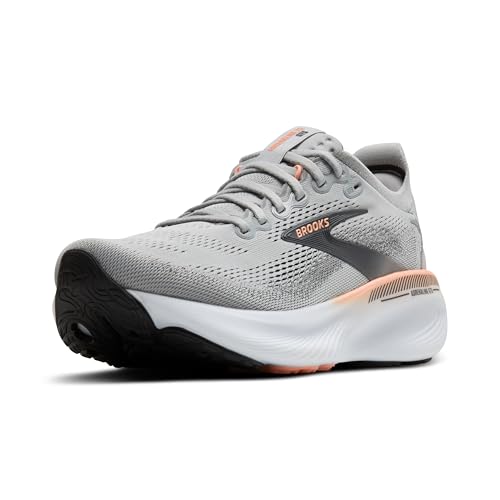
For most runners who overpronate or want guided support, the Brooks Adrenaline GTS is the most widely recommended starting point, the ASICS Gel-Kayano suits those who want more cushioning with structure, the Hoka Arahi is the lighter option, and the Saucony Guide and New Balance 860 round out the middle of the field. Stability shoes are not required for everyone, so the right choice depends on how your foot moves, how far you run, and how firm or plush you like the ride.
Our top picks


As an Amazon Associate we earn from qualifying purchases at no extra cost to you.
At a Glance: Stability Running Shoes Compared
| Shoe | Best for | Support approach (as the maker describes it) | Limits |
|---|---|---|---|
| Brooks Adrenaline GTS | All-round daily mileage with guidance | GuideRails holistic support system aims to limit excess movement | Moderate weight; ride is balanced rather than soft |
| ASICS Gel-Kayano | Longer runs with plush support | Stability-oriented platform with a wider base and cushioning | Higher in the premium tier; can feel structured |
| Hoka Arahi | Runners who want light, cushioned support | J-Frame style support listed by the maker, soft midsole | Narrower fit for some; less cushion than max-cushion models |
| Saucony Guide | Runners who like a smooth, structured ride | Support frame and guided design | Fit can be snug |
| New Balance Fresh Foam 860 | Mid-range stability with width options | Medial support and stable platform | Not the lightest |
| Mizuno Wave Inspire | Runners who like a springy, firmer feel | Wave plate for support listed by the maker | Firmer than some competitors |
| Brooks Beast / Ariel (max support) | Heavier runners or those needing greater support | Maximum support designs | Heavier; firmer |
| ASICS GT-2000 | Budget to mid-range stability | Stability features at a more accessible tier | Less plush than Kayano |
Models update roughly yearly, and names are sometimes tweaked. The notes above reflect what makers and running outlets typically describe, so check the current year’s version on the maker’s page.
What Stability Shoes Actually Do
Stability shoes are designed to encourage a steadier foot motion. Overpronation describes the foot rolling inward further than average after landing, and these shoes use firmer medial foam, guide rails, wider bases, or support frames to limit that motion. Makers market them to runners who overpronate, though research on whether pronation control prevents injury is mixed, and many specialists emphasize comfort as the key guide. If a neutral shoe feels fine and you are pain-free, there is no rule that you must switch.
Some runners benefit from guidance when fatigued, since form tends to deteriorate late in long runs. Others find stability shoes stiff or intrusive. A gait assessment at a specialty running store can help, though it is a snapshot rather than a diagnosis. For recurring pain, speak to a podiatrist or physical therapist.
Types of Support
Guidance rails and frames
Brooks GuideRails and similar frames sit on the sides of the heel and midfoot to keep the foot from drifting too far. The idea is to support only when needed, leaving a neutral foot largely alone.
Dual-density medial posts
A firmer foam on the inside of the midsole resists inward collapse. Many classic stability shoes use this approach, and it can feel more noticeable underfoot.
Wider platform
Hoka and others widen the base to add stability without a harder post, which can feel gentler to runners who dislike firm medial foam.
Max support
Shoes like the Brooks Beast and Ariel offer the most structure and are generally aimed at heavier runners or those with significant overpronation.
Fit and Sizing Notes
- Thumb’s width at the toe: leave about a thumb’s width in front of the longest toe, since feet swell during runs.
- Width options: Brooks, New Balance, ASICS, and Saucony offer wide sizes in many stability models according to their size charts.
- Heel hold: the heel should stay secure without slipping.
- Insoles: if you use orthotics from a podiatrist, bring them to the fitting, and check that the shoe’s removable insole can be swapped.
- Break-in: support shoes should feel comfortable out of the box; if they pinch or rub, try another model.
Budget Tiers
Budget tier: ASICS GT-1000, Saucony Guide previous versions, Brooks Adrenaline older versions, and similar lower-tier or previous-generation stability shoes provide support at a gentler cost.
Mid-range tier: The current Adrenaline GTS, Saucony Guide, New Balance 860, Hoka Arahi, and ASICS GT-2000 sit here and cover most runners’ needs.
Premium tier: The ASICS Gel-Kayano and max-cushion stability shoes offer a softer ride and upgraded materials, a good fit for high-mileage runners who want comfort with guidance.
Pick X If… Decision Table
| If you… | Consider | Why |
|---|---|---|
| Want a dependable all-round stability shoe | Brooks Adrenaline GTS | Balanced cushioning and guidance |
| Run long and want plush support | ASICS Gel-Kayano | Cushioned, structured platform |
| Prefer a lighter feel with soft cushioning | Hoka Arahi | Light build with wide base |
| Want a smooth, guided ride | Saucony Guide | Support frame and smooth transition |
| Want a mid-range pick with width options | New Balance 860 | Multiple widths and stable platform |
| Prefer a springy, firmer ride | Mizuno Wave Inspire | Wave plate |
| Need high support for heavier build | Brooks Beast or Ariel | Max support design |
| Are on a tight budget | ASICS GT-2000 or a previous generation | Stability at an accessible tier |
Alternatives Worth Considering
- Neutral shoes with a wide base: some neutral trainers such as the Hoka Bondi or Clifton are stable enough that overpronators find them comfortable.
- Over-the-counter or custom orthotics: a podiatrist can assess whether inserts help. This is a medical decision rather than a shopping one.
- Strength and mobility work: hip, glute, and foot strength training is often suggested by physical therapists alongside, or instead of, support shoes.
- Altra Paradigm: a zero-drop shoe with a support frame, for runners who prefer a flat platform.
Care and Replacement
Running outlets commonly cite roughly 300 to 500 miles of life for a pair, and support shoes can lose structure when the medial foam compresses. Signs of wear include new aches, an inward lean when viewed from behind, and visibly compressed midsole creases. Air-dry shoes away from direct heat, avoid machine drying, and alternate between two pairs if you run often. If pain develops in your knees, shins, or arches, stop and consult a clinician rather than pushing through.
Transitioning Into Stability Shoes
If you are switching from neutral shoes, introduce the new pair gradually. Run shorter distances in them for the first week or two and watch how your calves, shins, and knees respond. A sudden change in shoe type can shift load to different tissues, and discomfort that does not settle is a reason to stop and seek advice. Some runners rotate a stability pair with a neutral pair, using the structured shoe for long runs when form fades.
Walking, Standing, and Everyday Use
Stability shoes are also popular among people who spend long hours on their feet, such as nurses and retail staff, because they combine cushioning with a stable platform. Brooks, ASICS, and New Balance offer width options that help here. If you have plantar fasciitis, Achilles pain, or other diagnosed foot conditions, follow your clinician’s advice about footwear rather than relying on marketing claims.
- Check the outsole for even wear every few weeks.
- Replace insoles only if the maker or your clinician allows it.
- Keep a log of mileage per pair so retirement is not a guess.
Frequently Asked Questions
How do I know if I need stability shoes?
Signs often cited include wear on the inner edge of old shoes, an ankle that rolls inward in photos or video, or comfort improving in guided shoes. A running store gait check or a podiatrist assessment can help. If neutral shoes feel good and you are pain-free, you may not need them.
Are stability shoes good for beginners?
They can be, especially for beginners who feel more comfortable with extra structure. The Brooks Adrenaline GTS and Saucony Guide are often recommended for this. Choose based on comfort rather than a label.
Can I wear stability shoes if I have flat feet?
Many runners with flat feet choose stability shoes, but experiences differ. Some do better in neutral cushioned shoes or with orthotics. A podiatrist can advise on your situation.
What is the difference between the Adrenaline GTS and the Gel-Kayano?
The Adrenaline GTS is a balanced mid-range stability trainer, while the Gel-Kayano is a more cushioned premium option. Reviewers describe the Kayano as plusher and the Adrenaline as more everyday. Try both if you can.
Do stability shoes prevent injuries?
Evidence is mixed, and no shoe guarantees injury prevention. Comfort, gradual mileage increases, and strength work all play roles. If you have recurring pain, see a clinician.
How often should stability shoes be replaced?
Commonly every 300 to 500 miles, or sooner if the support feels flattened or you notice new aches. Heavier runners may wear out structure sooner.



