
Key takeaways
- Compression: lower-compression balls are marketed to slower swing speeds because they compress at impact and leave the face faster for that swing. Makers list compression numbers or ratings, and they are not directly comparable across brands.
- Spin: lower driver spin reduces drag and sidespin, which tends to produce straighter flight. Lower spin on approach shots also means less grab on the green.
- Cover material: ionomer covers are firmer and more cut-resistant. Urethane covers are softer and spin more around the green, and are common on tour-level balls.
- Dimple design: makers design patterns to affect lift and drag, but real-world differences are subtle.
- Conformity: balls must appear on the R&A and USGA conforming list to be legal in competition.
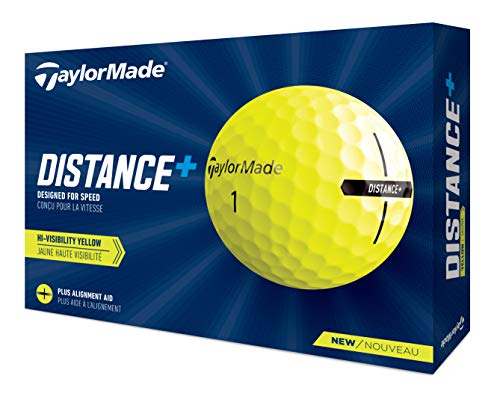
The best golf balls for distance are low-compression, two-piece balls with a firm ionomer cover, such as the Titleist Velocity, Callaway Warbird, Srixon Distance, TaylorMade Distance+ and Bridgestone e6 or e12 Speed, and they suit golfers with moderate swing speeds who want straight, long flight and less spin off the driver. Golfers with faster swings may get more from a multi-layer ball that keeps distance but adds greenside control, so the choice depends on swing speed, short-game needs and how often you lose balls.
Our top picks



As an Amazon Associate we earn from qualifying purchases at no extra cost to you.
Distance Golf Balls at a Glance
| Ball (maker) | Best for | Construction and stated features | Limits |
|---|---|---|---|
| Titleist Velocity | Golfers wanting a firm, fast ball | Two-piece style construction; the maker highlights high launch and low spin off the tee | Firmer feel; less greenside spin than tour balls |
| Callaway Warbird | Mid to high handicappers wanting value distance | Large core, durable cover; maker markets distance and durability | Firm feel; limited short-game spin |
| Callaway Supersoft | Slower swing speeds, softer feel | Low compression; maker markets soft feel with long, straight flight | Lower spin; may feel too soft for faster swings |
| Srixon Distance / Soft Feel | Slower to moderate swing speeds | Low compression; Soft Feel is aimed at slower swings, Distance at firm distance | Less control around the green |
| TaylorMade Distance+ / Soft Response | Players wanting distance or a soft feel | Multi-layer on Soft Response; maker markets low compression | Spin options vary by model |
| Bridgestone e6 / e12 Speed | Slice-prone golfers and those wanting straighter flight | e6 is marketed for low side spin; e12 adds a urethane cover on some versions | Check which version you are buying |
| Vice Drive / Volvik Vivid | Budget and bright-colour options | Value-focused two-piece balls | Fewer fitting tools and retail availability |
Ball lines are revised often. Titleist, Callaway, Srixon, TaylorMade and Bridgestone each publish a conforming-ball list and model pages, so read the maker’s page for the current generation. Independent testers such as MyGolfSpy, Golf Digest and Golfalot publish ball tests that report differences in speed, spin and feel.
What Makes a Ball Fly Farther
- Compression: lower-compression balls are marketed to slower swing speeds because they compress at impact and leave the face faster for that swing. Makers list compression numbers or ratings, and they are not directly comparable across brands.
- Spin: lower driver spin reduces drag and sidespin, which tends to produce straighter flight. Lower spin on approach shots also means less grab on the green.
- Cover material: ionomer covers are firmer and more cut-resistant. Urethane covers are softer and spin more around the green, and are common on tour-level balls.
- Dimple design: makers design patterns to affect lift and drag, but real-world differences are subtle.
- Conformity: balls must appear on the R&A and USGA conforming list to be legal in competition.
Distance differences between balls for most amateurs are small, often only a few yards, according to independent testers, and a proper fit to swing speed matters more than a headline claim. Contact quality, club speed and launch conditions usually dominate.
Match the Ball to Swing Speed
Slower swing speeds
Golfers who swing driver slower than about 85 mph are often steered toward soft, low-compression balls such as Callaway Supersoft or Srixon Soft Feel. The idea is to gain ball speed and feel from a ball that compresses easily. A firmer ball may feel hard and carry less for these players.
Moderate swing speeds
Many recreational golfers fall here. A mid-compression distance ball, such as Titleist Velocity, Callaway Warbird or TaylorMade Distance+, gives a balanced mix of distance and durability. Bridgestone’s fitting resources can help match a ball to swing speed.
Faster swing speeds
Players with fast swings who still want distance may prefer a multi-layer ball, such as the Titleist Tour Speed, Callaway Chrome Soft X-style models or TaylorMade TP5-style balls, which keep speed while adding urethane spin control. These are in a higher price tier, and shorter-game feel improves while pure distance gains over a firm two-piece ball may be small.
Budget Tiers
Budget
Value two-piece balls such as the Callaway Warbird, Srixon Distance and TaylorMade Distance+ are priced for players who lose several balls a round. They are durable and long off the tee, with modest greenside spin.
Mid-range
The Titleist Velocity, Srixon Soft Feel, Callaway Supersoft and Bridgestone e12 Speed sit here. They add softer feel or refined cover materials and are a common step up for improving golfers.
Premium
Premium multi-layer, urethane-cover balls from Titleist, Callaway, TaylorMade, Srixon and Bridgestone deliver stronger greenside control and a refined feel. They suit golfers with faster swings and consistent contact, and cost more per dozen.
Pick X If… Decision Table
| Pick this if you… | Choose | Why |
|---|---|---|
| Swing slowly and want a soft feel | Callaway Supersoft or Srixon Soft Feel | Low compression suits slower speeds |
| Want firm, straight distance for the price | Titleist Velocity or Callaway Warbird | Low-spin, durable construction |
| Fight a slice | Bridgestone e6 or a low-spin distance ball | Marketed to reduce side spin |
| Lose many balls per round | Budget distance balls in bulk | Lower cost per ball |
| Want short-game bite and distance | Mid-range urethane or multi-layer ball | Better greenside control |
| Play in cold weather | Softer, low-compression ball | Firmer balls feel harder in the cold |
| Need to find balls easily | Optic yellow or matte colour balls | High visibility in rough |
Cold Weather, Water and Durability
- Golf balls compress less in cold weather and travel shorter. Lower-compression balls tend to perform better in cool conditions.
- Ionomer covers such as Surlyn resist scuffing and cuts better than urethane. If you play on gravel paths or in trees, durability matters.
- Replace balls with visible cuts, scuffs or paint loss. Store balls at room temperature rather than in a hot car.
- Used or refurbished balls can offer value, though quality grades vary by supplier.
Try Before You Buy
A fitting session at a golf shop or with a launch monitor shows how a ball behaves with your swing. Makers such as Titleist, Callaway, TaylorMade and Srixon run fitting programmes, and many shops sell sleeves of three so you can compare. Test with your own driver and irons on the same day, and consider wind and temperature. Pay attention to how the ball feels off the putter, since feel is personal.
Alternatives to Consider
- Multi-layer balls: offer distance with more control. Good for players who want one ball for everything.
- Mixed dozens and sleeves: buying a mix lets you compare balls cheaply.
- Refurbished balls: save money, with grades like AAAAA indicating the best condition according to sellers.
- Club fitting: a driver with the right loft and shaft can add more distance than a ball change.
Frequently Asked Questions
Do distance golf balls really go farther?
They can, particularly for golfers whose swing speed matches the ball’s design. Independent tests generally find the differences to be a few yards on average, and consistent contact matters more. A fitting session is the best way to find your own gain.
Are soft golf balls shorter than firm ones?
Not necessarily. Soft, low-compression balls are designed to maximise speed for slower swings, while firm balls can suit faster swings. The right choice depends on your swing speed and feel preference.
What compression should I use?
Slower swing speeds often benefit from low compression, and faster swing speeds from higher compression. Makers do not use a universal scale, so use each maker’s fitting guidance. If unsure, try a mid-compression distance ball first.
Will a distance ball help with a slice?
Low-spin balls can reduce side spin and make slices and hooks less severe, according to makers such as Bridgestone. They are not a cure for swing path problems, which a coach can address.
Are distance balls legal for tournaments?
Yes, if the model is on the R&A and USGA conforming ball list. Makers typically state conformity on packaging or product pages. Check the list if you play competitive events.
How many golf balls should I carry?
Many golfers carry a sleeve or two, but this depends on course conditions and how many balls you lose. Playing a durable, budget-friendly ball is sensible on tough courses. Carry the same model throughout a round for consistency.



