Key takeaways
- 0-72 hours (acute phase): Blood vessels near the injury are leaking fluid, which causes swelling, heat, and throbbing pain. Cold narrows those vessels and slows the leak, which limits swelling and numbs pain signals.
- 72+ hours (subacute/chronic phase): Once active swelling has settled, the tissue needs blood flow to deliver nutrients and clear waste products. Heat widens vessels, relaxes muscle fibers, and loosens stiff joints, which is why it feels better on an old strain or a tight lower back.
Use ice for the first 48 to 72 hours after an acute injury to control swelling and pain, then switch to heat afterward if stiffness is the main problem rather than active swelling. The core rule is timeline, not preference: fresh injuries respond to cold, old aches respond to warmth, and using the wrong one at the wrong stage can slow recovery or make swelling worse.
As an Amazon Associate we earn from qualifying purchases at no extra cost to you.


The Timeline Rule in Plain Terms
Soft tissue injuries go through two broad phases, and each one calls for a different approach.
- 0-72 hours (acute phase): Blood vessels near the injury are leaking fluid, which causes swelling, heat, and throbbing pain. Cold narrows those vessels and slows the leak, which limits swelling and numbs pain signals.
- 72+ hours (subacute/chronic phase): Once active swelling has settled, the tissue needs blood flow to deliver nutrients and clear waste products. Heat widens vessels, relaxes muscle fibers, and loosens stiff joints, which is why it feels better on an old strain or a tight lower back.
If swelling, bruising, or warmth around the injury site is still present past 72 hours, stick with cold until that settles, even if it takes longer than three days. The hour count is a guideline, not a deadline.
The 20-Minute On/Off Cycle
During the acute phase, apply a cold pack for 15 to 20 minutes, then remove it for at least 40 to 60 minutes before reapplying. Repeat this cycle 3 to 5 times a day for the first 48 hours. Leaving ice on longer than 20 minutes doesn’t speed healing and raises the risk of frostbite or nerve irritation, especially over bony areas like the ankle or elbow. Always keep a thin cloth or towel between the pack and bare skin.
Heat follows a similar but more relaxed pattern: 15 to 20 minutes at a time, up to 3 times a day, with a towel barrier if using a hot pack above body temperature. Heat sessions can run slightly longer than ice because the burn risk from moderate heat builds up more slowly than cold injury does, but 20 minutes is still a sensible ceiling for a single application.
Injury-by-Injury Quick Reference
| Injury Type | First 72 Hours | After 72 Hours | Notes |
|---|---|---|---|
| Ankle sprain | Ice, 20 min on/40-60 off | Heat if stiff, ice if still swollen | Elevate during cold phase to reduce pooling |
| Hamstring strain | Ice only | Heat before stretching, ice after activity | Avoid heat before any load-bearing activity in week 1 |
| Lower back spasm | Ice if sudden/acute onset | Heat is usually primary treatment | Chronic back tightness often responds better to heat from day one |
| Shin splints | Ice after runs | Ice remains preferred long-term | Overuse injury; heat can increase inflammation if activity continues |
| Shoulder impingement | Ice after aggravating activity | Heat before mobility work, ice after | Contrast approach common in rehab settings |
| Tennis/golfer’s elbow | Ice for flare-ups | Heat before use, ice after | Tendon issues often chronic; cycle both depending on activity |
| Bruise (contusion) | Ice only | Heat once discoloration starts fading | Heat too early can worsen bruising by increasing blood flow |
| Muscle knot/chronic tightness | Not applicable | Heat | No acute swelling involved, so cold offers little benefit |
Contraindications: When Neither One Is a Good Idea
Both options carry real risks when used on the wrong person or the wrong injury.
Avoid or Use Caution With Ice When:
- The person has Raynaud’s phenomenon, cold urticaria, or another cold sensitivity disorder.
- There’s reduced sensation in the area (nerve damage, diabetic neuropathy) since burns or frostbite can go unnoticed.
- The skin is broken, has an open wound, or shows signs of infection.
- Circulation is already compromised, such as with peripheral artery disease.
Avoid or Use Caution With Heat When:
- Swelling, bruising, or warmth from an acute injury is still present.
- There’s any suspicion of a fracture, since heat can mask pain that signals a more serious problem.
- The area is numb or has reduced sensation, raising burn risk without the usual warning signs.
- There’s active inflammation from a condition like gout or rheumatoid arthritis during a flare.
- The person has a cardiovascular condition where blood vessel dilation could be a concern, particularly with large heat sources like hot tubs.
This article is general information, not medical advice. For injuries with significant swelling, inability to bear weight, visible deformity, numbness, or pain that doesn’t improve within a few days, see a doctor or physical therapist rather than relying on home treatment alone.
Cold and Heat Options: What Actually Differs
Not all packs behave the same way, and the differences affect how practical they are for repeated use.
| Type | Typical Cold/Hot Duration | Reusable? | Flexibility | Rough Cost Range |
|---|---|---|---|---|
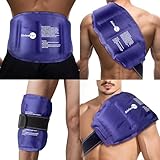
| Gel pack (reusable) | 15-20 min effective cold | Yes, hundreds of uses | Molds to joints when soft-sided | $8-$20 |
| Instant cold pack (single-use) | 15-20 min | No | Rigid-ish, less moldable | $1-$3 per pack |
| Electric heating pad | 20+ min, adjustable | Yes, years of use | Large, less portable | $15-$35 |
| Microwavable heat pack (rice/clay bead) | 15-20 min cooling heat | Yes, hundreds of uses | Very moldable | $10-$18 |
| Adhesive heat/cold wraps | Varies, often hours (low-grade) | No | Stays put during movement | $6-$12 per box |
A reusable gel pack works out to pennies per use after the first few applications, which makes it the practical choice for anyone managing a recurring issue like shin splints or a sensitive shoulder. Single-use instant packs make more sense for travel bags or team first-aid kits where refrigeration isn’t an option.
Common Mistakes That Undercut Either Treatment
- Applying ice directly to skin. Even gel packs that feel soft can cause ice burn without a cloth barrier, especially over bony areas.
- Switching to heat too early. Jumping to heat on day one because it feels soothing often increases swelling and prolongs recovery.
- Falling asleep with a heating pad on. Extended, unmonitored heat exposure is one of the most common causes of skin burns from home treatment.
- Skipping compression and elevation. Ice alone isn’t a complete acute-care strategy; elevating the limb and using a compression wrap alongside cold therapy noticeably improves swelling control.
- Reusing single-use cold packs after they’ve lost their chill. Once the chemical reaction in an instant pack is spent, it won’t drop in temperature again no matter how long it sits.
Contrast Therapy: Using Both
Once past the acute swelling stage, some people alternate cold and heat in the same session, typically 3 to 4 minutes of heat followed by 1 minute of cold, repeated for 15 to 20 minutes total, ending on cold. The idea is to flush the area with alternating blood flow changes. Evidence for added benefit over heat or cold alone is mixed, but it’s low-risk for chronic issues like old ankle sprains or tendon tightness, provided none of the contraindications above apply.