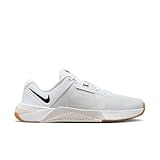
Key takeaways
- True to size: the common starting point for standard width.
- Half size down: if you are between sizes, prefer a snug fit or have a narrow foot.
- Half size up: for the SB Dunk Low Pro, per reviewers, or if you have a wide forefoot and thick socks.
- Leather stretches little, so choose carefully rather than counting on break-in.
The Nike Dunk Low is best for people who want a slim, low-cut retro court shoe in leather or suede that fits close to true to size, and the version you choose depends on what you value: the standard Dunk Low Retro for classic leather, the Next Nature line for recycled content, or the SB Dunk Low Pro for a padded skate build. It began as a basketball shoe in the mid-1980s and later became a streetwear staple, but today it is mainly a casual sneaker. This guide covers the history briefly, how the versions differ, fit and sizing, materials, durability and care, and how the Dunk Low compares with other options.
Our top picks


As an Amazon Associate we earn from qualifying purchases at no extra cost to you.
Nike Dunk Low at a Glance
| Version | Best for | Key stated features | Limits |
|---|---|---|---|
| Dunk Low Retro | Classic everyday wear | Nike lists a premium leather upper, padded low-cut collar, foam midsole, perforated toe and rubber outsole with a pivot circle | Firm feel; leather needs a short break-in |
| Dunk Low Retro SE | Seasonal and textured looks | Similar build with special materials or graphics, such as a letterman-style Swoosh on some pairs | Materials vary by colorway |
| Dunk Low Next Nature | Buyers who want recycled content | Nike states at least 20 percent recycled content by weight, with a Nike Grind outsole containing at least 13 percent recycled rubber | Some reviewers find the synthetic upper looks or feels less premium |
| SB Dunk Low Pro | Skating and cushioned casual wear | Reviewers cite a Zoom Air insole, thicker padded tongue and collar, suede and canvas options | Fits tighter; many go half a size up |
Nike’s product names and the retailer listings shift often, so the descriptions above reflect pages and reviews available in October 2026. If you are looking for one exact colorway, check Nike’s current listing for its material and cushioning description.
A Short History
Nike introduced the Dunk in 1985 as a college basketball shoe, and its original colorways matched university team palettes. It fell out of favour on court, resurfaced in skate culture in the early 2000s as the SB Dunk, and returned in retro form. Nike’s retro copy still describes it as created for the hardwood but taken to the streets. For a buyer today, that history matters mostly because it explains the shoe’s flat cup sole, low-cut collar and stitched leather construction, which differ from modern cushioned running shoes.
Materials and Cushioning
RunRepeat’s lab review of the Dunk Low reports genuine leather or suede uppers on the standard model and a cup-sole construction. It lists a weight of 14.8 oz (420 g) in men’s size 9, a heel stack of 23.1 mm, a forefoot stack of 15.5 mm and a drop of 7.6 mm. Its shock absorption reading was below average, and the midsole is firm, which matches the common reviewer impression that the Dunk is stable but not plush. Breathability was moderate, with heat escaping mostly around the tongue, and RunRepeat suggests it suits cooler weather.
Nike’s own copy for the Dunk Low Retro states a leather upper, a modern foam midsole for lightweight, responsive cushioning, a padded low-cut collar and a rubber outsole with pivot circles. The SB version adds Zoom Air in the insole, according to reviewers, which sits under the foot and improves landing comfort for skating and walking.
Dunk Low Retro Versus Next Nature Versus SB Dunk Low Pro
Dunk Low Retro
This is the baseline. Leather panels, perforated toe, thin tongue, simple cupsole. Expect a stiff first week as the leather softens.
Dunk Low Next Nature
Sneaker Freaker described it as a decades-old design made better, using recycled content while keeping the profile nearly identical. Nike states at least 20 percent recycled content by weight. The upper is synthetic leather on many pairs, and retailer reviewers are mixed, with some saying the material looks cheaper and others finding the fit and comfort identical to the regular Dunk. A Swoosh pinwheel stamp on the insole marks Next Nature pairs. Colorways such as the winterized Sequoia use quilted recycled polyester, so material differs by pair.
SB Dunk Low Pro
Skate-specific changes include a thicker padded tongue and collar and a Zoom Air insole, according to reviewers at Sidewalk Mag and Weartested. The fit is tighter because of the added padding, so most guides recommend half a size up from a regular Dunk. Reviewers report that the upper, often suede with canvas, holds up well for casual wear, while heavy skating tends to wear the toe seams first. See the separate SB Dunk Low Pro guide for more.
Fit and Sizing
RunRepeat reports the Dunk Low fits true to size based on 591 user votes and measures a toe box width of 70.5 mm, which it calls above average. Retail reviewers on Nordstrom mostly mark it true to size and true to width, and Foot Locker listings describe a close, structured forefoot. Nike’s listing for the women’s Next Nature Dunk, however, states that it fits large and advises ordering a half size down, so the sources disagree. Compared with the Air Force 1, reviewers generally describe the Dunk as snugger, so someone who sizes down half in an AF1 often keeps their usual size in a Dunk.
- True to size: the common starting point for standard width.
- Half size down: if you are between sizes, prefer a snug fit or have a narrow foot.
- Half size up: for the SB Dunk Low Pro, per reviewers, or if you have a wide forefoot and thick socks.
- Leather stretches little, so choose carefully rather than counting on break-in.
Comfort, Durability and Care
The Dunk Low is comfortable for casual walking, though not cushioned like a running shoe. RunRepeat rated the toe box durability 4 out of 5 with minor scuffing and noted a hard outsole at 90.3 HC, which suggests good wear on pavement. The most common complaint in retail reviews is early creasing across the toe box, which is cosmetic.
- Wipe leather with a damp cloth and a small amount of mild soap.
- Test any cleaner on a hidden spot first, avoid bleach, never mix chemicals, and ventilate the room.
- Brush suede with a dry suede brush; avoid soaking it.
- Air-dry away from heat and use shoe trees to hold shape.
- Protectant sprays can help but should be tested on a small area, since they may darken some leathers.
Decision Table
| Pick this if … | Choice |
|---|---|
| You want classic leather and a clean look | Dunk Low Retro |
| Recycled content matters to you | Dunk Low Next Nature, accepting a possibly different material feel |
| You skate or want extra padding | SB Dunk Low Pro, sized half up |
| You want a thicker, taller sole | Air Force 1 or the AF1 Shadow |
| You want soft cushioning for long walks | An Air Max or running-style sneaker |
Comparison With Alternatives
| Shoe | Difference from Dunk Low | Pick it when |
|---|---|---|
| Nike Air Force 1 Low | Thicker sole, visible Air branding, fits large per many fit guides | You prefer a roomier toe box and a bolder profile |
| Adidas Gazelle or Samba | Lighter, thinner suede and different last | You want a slimmer terrace-style shoe |
| New Balance 480 or similar court shoe | Often softer and with a slightly different fit | You want a court-inspired shoe with a different brand feel |
Choosing the Right Pair in Practice
Start with the material rather than the colorway. Leather pairs hold their shape and wipe clean but need a short break-in, suede pairs feel softer from the first wear but need a brush and dry conditions, and synthetic Next Nature pairs trade some of that leather character for recycled content. Then check the listing’s own text, because Nike’s wording for each pair names the upper and the midsole. Finally, think about where you will wear them: cool, dry city streets suit the Dunk well, while hot weather exposes the moderate breathability RunRepeat noted.
Who Should Skip It
Skip the Dunk Low if you need a cushioned shoe for long runs or standing shifts, since its midsole is firm. People with very wide feet may find the leather slow to stretch, and those who prefer breathable mesh will find it warm in summer. If you want a skate shoe, look at the SB version or a dedicated skate model.
Frequently Asked Questions
Does the Nike Dunk Low run true to size?
RunRepeat’s user votes and many retailer reviewers say it is true to size. Nike’s Next Nature women’s listing advises half a size down, so check the listing for your exact pair.
What is the difference between Dunk Low Retro and Next Nature?
Nike says Next Nature uses at least 20 percent recycled content by weight and a Nike Grind outsole. The profile is nearly identical, but the upper material and feel can differ.
Is the SB Dunk Low Pro the same as a regular Dunk?
It shares the silhouette but adds skate features such as a padded tongue and collar and a Zoom Air insole, according to reviewers. It tends to fit tighter than a regular Dunk.
Is the Dunk Low good for walking all day?
It is fine for casual city walking. RunRepeat measured below-average shock absorption and a firm midsole, so those who need extra cushioning may prefer a different shoe.
How should I clean leather Dunks?
Use a damp cloth and mild soap, test on a hidden area, avoid bleach and do not mix cleaners. Let them dry in a ventilated space away from heat.
Does the Dunk Low crease easily?
Toe-box creasing is the most frequently reported complaint in retail reviews. It is mostly cosmetic and can be reduced with shoe trees and rotation.