Key takeaways
- FG (firm ground): bladed or conical studs for natural grass that is dry to moderately soft. Most buyers need this.
- SG (soft ground): fewer, longer, often metal-tipped studs for wet, muddy fields. League rules sometimes ban metal studs, so read them first.
- AG (artificial grass): shorter, more numerous studs designed to spread pressure on synthetic turf.
- MG (multi-ground): a compromise plate sold by several brands for mixed natural and artificial pitches.
- TF (turf): small rubber nubs for hard artificial surfaces and training.
- IN (indoor): flat gum sole for sports halls and futsal courts.
For most adult players, a mid-range synthetic boot from a major brand in the firm-ground (FG) or multi-ground (MG) version is the safest buy. Speed-focused wingers lean toward lightweight Nike Mercurial or adidas F50 designs, midfielders toward touch-oriented Predator, Phantom or Puma Future styles, and traditionalists toward leather Copa, Tiempo or Mizuno Morelia models. The right choice depends less on brand than on playing surface, foot shape and position.
Our top picks
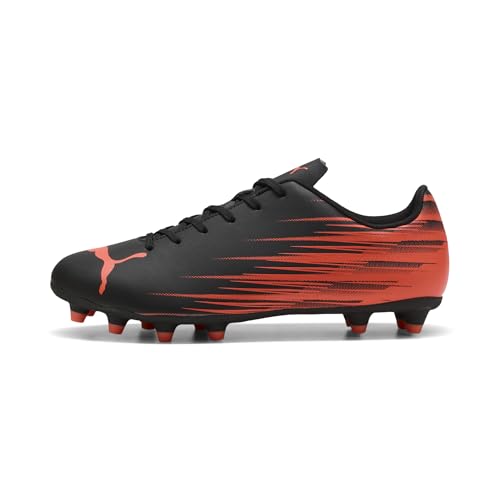


As an Amazon Associate we earn from qualifying purchases at no extra cost to you.
At a Glance
| Boot family | Best for | Key traits the maker states | Limits |
|---|---|---|---|
| Nike Mercurial (Vapor / Superfly) | Wingers, strikers, fast transitions | Lightweight, snug speed fit, aggressive traction layout | Narrow last for many feet; thin uppers feel firm on cold days |
| Nike Phantom | Attacking midfielders, finishers | Textured strike zone aimed at ball control and shooting | Texture can wear with heavy use |
| Nike Tiempo | Defenders, centre mids, leather fans | Classic touch-first design, often leather | Heavier than speed boots |
| adidas Predator | Playmakers, strikers who shoot often | Strike-focused upper elements; laced or laceless depending on model | Some versions run snug in the midfoot |
| adidas F50 | Speed players | Very light build, thin knit or synthetic uppers | Less protection, minimal padding |
| adidas Copa | Comfort-first players, wider feet, leather lovers | Soft leather, traditional shape | Break-in period, leather needs care |
| Puma Future | Dribblers, creative midfielders | Adaptive lacing and flexible uppers | Lacing system takes getting used to |
| Puma Ultra | Speed players | Lightweight build and quick-feel plate | Narrow for some feet |
| Mizuno Morelia | Players wanting premium leather and a roomier fit | Soft leather options, known for touch | Top versions sit in the premium tier |
| New Balance Furon / Tekela | Speed (Furon) and touch (Tekela) alternatives | Maker positions Furon for pace and Tekela for control | Smaller retail presence in some regions |
Makers refresh these lines every season, so the version number on the shelf will differ from older reviews. The family names persist, and a previous-generation pair is usually the same idea with small tweaks. Treat the table as a map of families rather than an exact model list.
Start With the Surface
The plate under the boot matters more than the upper. Using the wrong one raises the chance of slipping or, on hard ground, of sore feet and joints.
- FG (firm ground): bladed or conical studs for natural grass that is dry to moderately soft. Most buyers need this.
- SG (soft ground): fewer, longer, often metal-tipped studs for wet, muddy fields. League rules sometimes ban metal studs, so read them first.
- AG (artificial grass): shorter, more numerous studs designed to spread pressure on synthetic turf.
- MG (multi-ground): a compromise plate sold by several brands for mixed natural and artificial pitches.
- TF (turf): small rubber nubs for hard artificial surfaces and training.
- IN (indoor): flat gum sole for sports halls and futsal courts.
Several makers state that FG boots can be used on AG at the player’s own risk, because FG studs concentrate pressure and wear quickly on turf. Anyone who plays most weeks on artificial grass will usually get a better result and more comfort from AG or MG.
Upper Materials: Leather, Synthetic and Knit
Natural leather, found on Copa, Tiempo and Morelia models, stretches and moulds to the foot. Reviewers commonly describe it as the most comfortable option after a break-in period, though it can absorb water on wet days and needs conditioning. Synthetic uppers are lighter, hold their shape and are easier to wipe clean, but can feel firmer and less forgiving at first. Knit uppers, used on some adidas and Nike models, give a sock-like feel and low weight, with less structure around the sides, which some players like and others find too loose when cutting hard.
Position and Playing Style
Wingers and strikers
Players who rely on acceleration usually look at Mercurial, F50 or Puma Ultra. These are built light, with thin uppers and a close fit. The trade-off is less cushioning and less room, so they suit players who prioritise pace and do not mind a firm feel.
Midfielders and playmakers
Passing and receiving matter most here. Predator, Phantom and Puma Future styles are aimed at touch and strike surface. Players who spend a lot of time on the ball often prefer a slightly more structured upper.
Defenders and holding midfielders
Comfort over ninety minutes and durability for tackling matter more than saving a few grams. Leather boots such as Tiempo, Copa or Morelia are frequent picks, as are mid-weight synthetics with extra protection at the toe.
Goalkeepers
Outfield cleats work for keepers on grass, though some keepers prefer a firmer sole for traction when pushing off. Because keeper needs differ, a trial pair is a good idea.
Budget Tiers
Budget
Entry-level versions from the big brands (often named Club, Academy or similar) use simpler synthetics and basic plates. They suit casual players, school teams and anyone whose foot is still growing. Expect less refined touch and more weight than top-tier versions, but the traction patterns are generally adequate for weekly games.
Mid-range
Mid-range lines keep much of the flagship’s design but swap premium materials for durable synthetic. For adult amateur players this tier is typically the best balance between fit, durability and ball feel. Several makers use a similar plate shape in this tier as in the flagship.
Premium
Flagship boots use lighter materials, thinner uppers and, in some cases, kangaroo leather. The gains are real but small for recreational players, and the thin builds can be less forgiving on wide feet or on hard ground.
Fit and Sizing Notes
- Speed boots from Nike, adidas and Puma are frequently described as narrow. Wide-footed players often prefer Copa, Tiempo, Mizuno Morelia or a wide-fit option where the maker offers one.
- Leave about a thumb’s width of space at the toe, and try boots with the socks you wear in matches.
- Leather stretches modestly; synthetics barely move. Size accordingly.
- Try boots later in the day, when feet are slightly larger.
- Sizing differs between brands and even between lines, so do not assume the same size carries across.
- Heel slip causes blisters. If the heel lifts when you jog on the spot, try a different last.
Care and Safety
Knock off mud after each session, remove the insole to dry, and let boots air-dry away from direct heat or radiators, which can crack leather and weaken glue. Replace worn studs where the plate allows it. Boots with worn or broken studs, a split sole or a loose heel counter should be retired. Players with foot pain, recurring blisters or growing-foot concerns should speak to a podiatrist or physiotherapist rather than relying on a boot change alone. Youth players should be fitted in a size that fits now, not one to grow into.
Pick X If… Decision Table
| If you are… | Pick | Why |
|---|---|---|
| A winger or striker who runs in behind | Mercurial, F50 or Puma Ultra | Lightweight builds aimed at speed |
| A passing midfielder or playmaker | Predator, Phantom or Puma Future | Designs aimed at control and striking surface |
| A defender or holding midfielder who values comfort | Tiempo, Copa or Morelia | Leather feel and sturdier build |
| Wide-footed | Copa, Morelia or a wide-fit model | Roomier shapes than most speed boots |
| Playing mainly on artificial turf | AG or MG plate of any family | Studs designed for synthetic pitches |
| On a tight budget or buying for a teenager | Club or Academy tier | Same families, simpler materials |
| Playing indoors | IN or futsal shoe | Flat sole for hard courts |
Alternatives Worth Considering
- New Balance Furon or Tekela: a different last shape for players who find the main three brands uncomfortable.
- Mizuno Morelia: a premium leather route that reviewers often mention for comfort and touch.
- Previous-generation flagships: often found in lower tiers with nearly identical design and traction.
- Turf trainers: if most of your play is training on hard artificial surfaces, a TF shoe is easier on the joints than studs.
Frequently Asked Questions
Are expensive soccer cleats worth it?
For recreational players, the gap between mid-range and flagship is mostly weight and material finish. Fit and the correct studs make a larger difference to comfort and performance. Premium boots make more sense for players who train several times a week.
Can I wear firm-ground cleats on artificial grass?
Many makers note that FG boots may be used on AG at the wearer’s own risk. The studs can grip too hard and wear down quickly. An AG or multi-ground plate is generally the better choice if you play on turf often.
Leather or synthetic: which is better?
Leather moulds to the foot and is often considered more comfortable, but needs care and can soak up water. Synthetic is lighter, easier to clean and holds its shape. Choose based on comfort preference and how wet your pitches are.
How should soccer cleats fit?
They should feel snug without pinching, with about a thumb’s width of room in front of the longest toe and no heel slip. Try them with match socks. If you get blisters or pain in the arch, try a different brand or width.
How long do soccer cleats last?
It depends on surface, frequency and care. Turf and hard ground wear plates faster than grass. Retire boots when studs are worn down, the sole is splitting or the upper no longer holds the foot.
Which cleats suit wide feet?
Reviewers often point wide-footed players to adidas Copa, Nike Tiempo and Mizuno Morelia, or to models where a wide version is offered. Speed boots tend to be narrower, so try them in person if possible.