Key takeaways
- Pro: Built-in arch support eliminates the need for a separate insole purchase.
- Pro: Extremely affordable entry point for a full shoe with orthopedic intent.
- Con: Owner feedback suggests the upper materials feel thin and less durable than athletic shoes at higher price points.
Achilles tendon pain in women often stems from a combination of calf tightness, overpronation, and shoes that fail to reduce strain on the tendon during daily movement. After comparing published specifications, current prices, and aggregated owner feedback across this category, we identified a clear divide: the best solutions either provide structured heel cushioning that offloads the tendon or offer biomechanical support that corrects the alignment issues driving the pain in the first place.
What separates the effective picks from the disappointing ones is not always shoe quality in the traditional sense. Many women find that a moderately priced walking shoe paired with a well-designed heel cup outperforms a premium running shoe worn alone. This roundup reflects that reality. It includes full shoes and insert-level products because the right combination matters more than any single purchase, and understanding the 2026 landscape of achilles-specific support helps buyers avoid spending more than necessary.
Our top picks




As an Amazon Associate we earn from qualifying purchases at no extra cost to you.
Quick Picks
| Product | Best for | Price |
|---|---|---|
| Hang Out Arch Support Walking Shoes | Budget all-in-one support | $39.99 |
| PROFOOT Achilles Heel Cup | Targeted tendon offloading | $10.99 |
| Brooks Adrenaline GTS 25 | Stability running and walking | $146.98 |
| Welnove Gel Heel Cups | Cracked heels with achilles support | $12.99 |
| Ryka Devotion X | Everyday walking comfort | $65.19 |
| Orthopedic Diabetic Wide Toe Box Sneakers | Wide feet with achilles relief | $89.98 |
| Dr. Scholl’s Advanced Insoles | Heavy-duty arch and shock support | $29.99 |
| Gel Heel Cups 2-Pack | Lowest-cost achilles cushioning | $9.76 |
How We Picked
We evaluated every product against four criteria: heel-level cushioning that reduces tension on the achilles tendon, arch or alignment support that addresses overpronation as a contributing factor, sizing and fit compatibility with the wider toe boxes many women require, and owner-reported durability under regular walking or standing loads. Products that excelled in only one area without compensating for the others received lower marks, since achilles pain rarely resolves from a single intervention.
The 8 Best Shoes For Achilles Pain Women in 2026
Hang Out Women’s Orthopedic Arch Support Walking Shoes
Owners with plantar fasciitis and achilles discomfort report that the integrated arch support combined with a cushioned heel makes this a viable starting point for women who need a complete solution without buying separate inserts. The orthopedic construction targets multiple foot pain sources simultaneously, and the price reflects a no-frills approach that appeals to cautious first-time buyers. At just under forty dollars, it removes the financial risk of experimenting with achilles-specific footwear.
- Pro: Built-in arch support eliminates the need for a separate insole purchase.
- Pro: Extremely affordable entry point for a full shoe with orthopedic intent.
- Con: Owner feedback suggests the upper materials feel thin and less durable than athletic shoes at higher price points.
Skip this if you already own supportive shoes and need targeted achilles relief rather than a full replacement shoe.
PROFOOT Achilles Tendonitis Orthotic Heel Cup
This heel cup is designed specifically to lift and cushion the heel, reducing the stretch placed on the achilles tendon during each step. Women who pair it with a flat or minimally structured shoe often report meaningful pain reduction. The sizing range covers most women comfortably, and the low price makes it a logical first intervention before committing to new footwear.
- Pro: Targeted biomechanical design that directly offloads the achilles tendon.
- Pro: Compact enough to work in existing shoes without altering fit significantly.
- Con: Only fits sizes 6 through 10, excluding women who wear larger sizes or need width adjustments.
Skip this if your current shoes already have thick heel cushioning, as the cup may cause cramping or alter fit unfavorably.
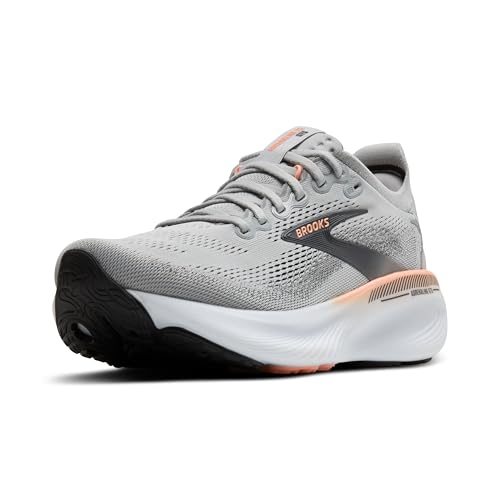
Brooks Women’s Adrenaline GTS 25
The Adrenaline line has long been a stability reference point, and the GTS 25 continues that tradition with a balanced cushion-to-support ratio that suits women whose achilles pain stems from overpronation. Owner reviews consistently praise the heel counter structure for keeping the tendon aligned through the gait cycle. It is the most expensive option here, but the build quality and multi-year usability justify the investment for active women.
- Pro: Engineered guide rails provide stability without the rigid medial post that can feel uncomfortable.
- Pro: Generous heel cushioning reduces impact force transmitted up the achilles during walking or running.
- Con: The price is roughly three times that of other shoes in this roundup, making it a hard recommendation for casual walkers on a tight budget.
Skip this if you need a non-athletic style for workplace or formal settings.
Welnove Gel Heel Protector Cups
These gel cups address two problems simultaneously: dry cracked heels and achilles tendonitis discomfort. The gel material conforms to the heel shape and provides a soft landing zone that reduces tendon strain. Women note they work best in roomy shoes, which is a practical consideration since the gel adds a small amount of volume around the heel.
- Pro: Dual-purpose design treats both skin-level heel issues and tendon pain.
- Pro: Covers a wide size range from women’s 4.5 through 9.
- Con: The gel material can shift during extended walking if the shoe is not snug enough around the heel.
Skip this if your shoes are already tight or narrow in the heel counter.
Ryka Women’s Devotion X Walking Shoe
Ryka designs shoes on a women-specific last, and the Devotion X translates that into a walking shoe with a secure heel fit that minimizes slippage and the resulting achilles irritation. Owners appreciate the cushioned footbed right out of the box without needing a break-in period. At sixty-five dollars it sits in the middle of the price range while delivering a dedicated walking structure.
- Pro: Women-specific last reduces heel slippage, a common source of achilles friction.
- Pro: Comfortable immediately without a break-in period according to most owner reports.
- Con: The color options are limited, and the black finish shows wear quickly with regular outdoor use.
Skip this if you need a shoe for running or high-impact activity rather than walking.
Orthopedic Diabetic Extra Wide Toe Box Sneakers
Women with wide forefeet often struggle to find achilles-supportive shoes that do not squeeze the toes into a tapered shape. This sneaker solves that with a genuinely roomy toe box while maintaining the arch support and heel cushioning needed for tendon relief. The extra-wide construction also accommodates custom orthotics or thick socks without compromising fit.
- Pro: Generous toe box width allows natural splay while the heel maintains structural support.
- Pro: Ultralight construction keeps fatigue low for all-day standing or walking.
- Con: The casual aesthetic may not suit athletic or professional settings where a sleeker shoe is preferred.
Skip this if you have a narrow foot, as the wide toe box can cause the heel to lose its secure fit.
Dr. Scholl’s Advanced Pain Relief Insoles
These heavy-duty insoles provide full-length arch support with shock absorption rated for users up to 340 pounds. For women whose achilles pain is driven by flat arches or overpronation, this insert redistributes load away from the tendon and into the midfoot. They fit comfortably in walking shoes and boots without adding bulk that could alter heel geometry.
- Pro: Full-length arch support addresses the root biomechanical cause rather than just cushioning the heel.
- Pro: High weight-capacity rating means the support does not compress and fail quickly under heavier users.
- Con: The sizing is broad, so a woman at the edge of a size range may experience an imprecise arch placement.
Skip this if you already wear shoes with built-in orthotic support, as the combined structure may push your foot too high in the shoe.
Gel Heel Cups 2-Pack
At under ten dollars for a two-pack, this is the cheapest achilles-supportive intervention available. The gel cups provide basic heel cushioning and slight elevation to reduce tendon strain. They are a reasonable option for women testing whether heel-level support helps their symptoms before investing in a dedicated product or new shoe.
- Pro: Lowest cost in the entire roundup, making risk-free experimentation easy.
- Pro: Two-pack provides a spare or allows alternating between two pairs of shoes.
- Con: The gel is thin and compresses noticeably after a few weeks of daily use, reducing effectiveness over time.
Skip this if you need structured support or have moderate to severe pain, as the cushioning depth is minimal.
Buying Guide
Heel Drop and Cushioning Geometry
Achilles tendon pain often worsens when the tendon is stretched excessively with each step. A moderate heel-to-toe drop of around eight to twelve millimeters shortens the effective tendon length during stance phase, reducing strain. Look for shoes with a firm heel counter and a cushioned heel zone that does not bottom out. Gel cups and heel-lift inserts replicate this effect in shoes that are too flat or have minimal cushioning.
Arch Support and Pronation Control
Overpronation rotates the tibia inward and forces the achilles tendon to work against a twisting load with every step. If you have flat or low arches, prioritize shoes or insoles with structured medial support. Guide-rail systems, dual-density midsoles, and full-length arch posts all address this mechanism. Pairing a stable shoe with a targeted heel cup often resolves pain faster than either product alone.
Fit Precision and Toe Box Width
A shoe that is too narrow causes you to grip with your toes, increasing calf tension and therefore achilles load. A heel that slips causes friction and repetitive micro-trauma. Ensure your chosen shoe locks the heel securely while allowing natural toe splay. Women-specific lasts account for the narrower heel-to-forefoot ratio common in female feet, which is why brands like Ryka and Brooks consistently receive better heel-fit feedback in this category.
Our Verdict
The Brooks Adrenaline GTS 25 is our top pick for women who need a single shoe that addresses stability, cushioning, and achilles strain together with premium durability. The Gel Heel Cups 2-Pack is the best starting point for budget-conscious buyers who want to test whether heel elevation and cushioning relieve their symptoms before spending more. If your primary limitation is a wide forefoot rather than a need for maximum stability, the Orthopedic Diabetic Extra Wide Toe Box Sneakers win because they solve the fit problem that derails otherwise good achilles support.
FAQ
Do I need new shoes or can heel cups fix my achilles pain?
If your current shoes are flat, worn out, or cause heel slippage, a heel cup alone may not be enough and new shoes are the better investment. If your shoes are already supportive but still allow some tendon strain, a heel cup or lift is a low-cost way to fine-tune relief without replacing footwear.
How long does it take to feel improvement from achilles-supportive shoes?
Most owner reports describe noticeable pain reduction within one to two weeks of consistent wear with properly supportive footwear and inserts. Full tissue recovery takes longer and depends on severity, so pair new shoes with rest and gentle stretching for best results.
Are running shoes appropriate if I only walk?
Yes, running shoes like the Brooks GTS 25 are fully appropriate for walking and often provide superior cushioning and heel stability compared to dedicated walking shoes. The tradeoff is a higher price and a more athletic appearance that may not suit every setting.
Can I wear these products daily without making my achilles weaker?
Shoes with excessive heel lift can shorten the calf complex over long periods, so use them during symptomatic phases and transition toward minimal-drop options as pain resolves. The goal is load management, not permanent offloading.