Key takeaways
- Why light blue golf carts are so hard to find as complete carts, how to verify color on a real listing, and the routes that actually lead to one.
As an Amazon Associate we earn from qualifying purchases.
Most golf cart colors are easy to shop for. White, black, red and dark blue carts appear constantly, while light blue sits in an awkward gap: manufacturers offer it in some model years and drop it in others, dealers order it in small numbers, and many carts that look light blue in photos turn out to be a different shade, a repaint, or a listing for something that is not a complete cart at all. The real decision is therefore not which light blue cart to pick from a long list. It is how to search honestly when the pool is this narrow.
This guide is for buyers who want a complete, full-size light blue golf cart for neighborhood, course or property use, and who keep running into accessories, body panels and toy ride-on carts instead. It explains why verified complete-cart listings in this color are rare, how to check color properly, and which alternative routes are legitimate when no listing matches.
How to Choose
Define what counts as a light blue cart first
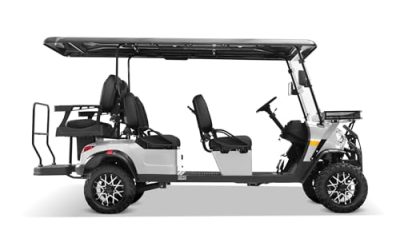
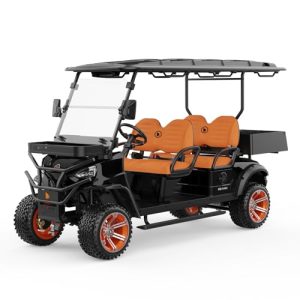
A light blue golf cart means a complete, rideable, full-size cart whose body color is light blue, not a cart with light blue seats, a light blue roof, or light blue accessories added to a body of another color. This distinction matters because search results mix categories aggressively. Seat covers, enclosures, decals, body kits and painted panels all use color words in their titles, and a small ride-on toy for children is a golf cart in name only. Before you open any listing, write down your non-negotiables: complete cart, adult seating, real drivetrain, and light blue bodywork confirmed in the listing itself.
Treat color names as claims to verify, not facts
Sellers describe blue shades loosely. One listing’s light blue is another’s sky blue, powder blue, baby blue or pale turquoise, and studio lighting can push a medium blue toward looking lighter than it is. Photos taken outdoors in shade can do the opposite. The only reliable checks are the color named in the listing title or specification table, multiple photos of the same cart in different light, and a direct question to the seller when the shade is ambiguous. If a listing never states the body color in words and relies on a single bright photo, treat the color as unconfirmed rather than close enough.
Decide whether factory color is essential or a finish is acceptable
There are two honest ways to end up with a light blue cart. The first is a cart that left the factory, or was sold by a dealer, in that color. The second is a cart of any original color that receives light blue bodywork through replacement panels or a professional repaint. Factory color keeps everything simple and original, but the supply is tiny and tied to specific models and years. A finish route widens your choice of cart enormously, since you can shop for the best cart mechanically and handle color separately. Decide which route you are on before searching, because they use different marketplaces and budgets.
Judge the cart underneath the color with normal cart criteria
Color narrows the pool so much that buyers forgive mechanical faults they would never accept in a white cart. Resist that. A complete cart still needs the same checks as any other purchase: battery age and type on an electric cart, motor and controller condition, tire wear, brake feel, steering play, frame rust and charger inclusion. A light blue cart with tired batteries is a project, not a find. When the pool is small, the discipline is to let carts go. Another shade, or a repaint route, is a better outcome than a rare color wrapped around expensive problems.
Why the Complete-Cart Pool Is So Small
Understanding the supply explains the search results. Large marketplaces are built around shippable products, and a complete golf cart is a heavy, freight-class vehicle. Most complete carts change hands through local dealers, regional marketplaces and specialist cart sellers rather than national parcel listings. That alone removes most of the national inventory from the places buyers search first.
Color shrinks the pool further. Cart manufacturers build bodies in a short list of high-volume colors, and light blue has historically been a limited, seasonal or special-order shade rather than a permanent line color. Dealers stock what turns over quickly, which means dark and neutral colors dominate forecourts. When a light blue cart does appear, it often sells locally before a detailed national listing is ever written.
A third factor is naming drift. A cart sold as light blue by one dealer may be listed by the next owner as blue, aqua or teal, or simply photographed without the shade named at all. Search tools match words, so genuinely light blue carts hide inside generic blue listings. This is why a careful buyer reads blue listings in full and studies their photos instead of relying on an exact color phrase to surface every candidate.
Finally, be alert to category noise. Searches for this color return seat covers, canopies, steering wheel covers, body panels and children’s ride-on toys in light blue, all of which are real products but none of which are the cart itself. During the research for this guide, no complete full-size light blue cart listing on Amazon US could be verified with a stated light blue body color and a confirmed complete-cart specification, which is why this article is a guide rather than a product roundup. That gap is a fact about the current pool, not a reason to dress an accessory up as a cart.
A Practical Search Routine That Works
Start local, because complete carts are local products. Cart dealers within driving distance can check incoming stock, and a light blue cart that never reaches a national listing may sit on a regional forecourt. Tell dealers the shade you want and ask to be called, since low-volume colors often move through waiting buyers before they are advertised.
Search by shade family, not one exact phrase. Work through blue, sky blue, powder blue, baby blue, aqua and turquoise listings, then verify the actual shade from stated color fields and several photos. Keep a short list of candidates with the seller’s exact color wording recorded, so you can ask precise questions instead of relying on memory of a photograph.
Verify completeness in every candidate. A real complete-cart listing should describe seating capacity, drivetrain, battery or fuel system, tires and overall dimensions in words. If a listing’s specifications describe a cover’s fabric, a panel’s dimensions or a toy’s age range, you are looking at an accessory or a ride-on, whatever the headline photo suggests. Back out and keep searching rather than trying to make the listing fit your need.
Ask the seller three direct questions before travelling: is the body color original or a repaint, can they send photos taken outdoors in daylight, and what is the battery age on an electric cart. The answers separate serious listings from vague ones quickly. A seller who cannot describe the color’s origin or the cart’s basic specification is telling you something important about the purchase.
Consider the finish route in parallel rather than as a last resort. Price the cart you actually want mechanically, in any common color, and separately investigate replacement body panels or a professional repaint in light blue. For many buyers this parallel track reaches a light blue cart faster than waiting for a factory-color example, and it produces a cart chosen for condition first, which is the right order of priorities.
Which One Fits Your Situation
You want a factory light blue cart and can wait
Commit to the local and regional search and accept the timeline. Set up saved searches across the shade names, brief local dealers, and check new stock regularly, because the right cart may appear and sell within days. Keep your mechanical standards fixed while you wait. The scarcity of the color is exactly why patience matters: the first light blue cart you find is unlikely to be the right one, and buying a poor cart quickly is worse than waiting a season for a sound one in the shade you love.
You need a cart soon and light blue is a strong preference
Take the finish route. Buy the best complete cart you can find in any color, judged on batteries, frame, tires and drivetrain, then arrange light blue bodywork through panels or a repaint. This separates a hard mechanical decision from a cosmetic one and gives you control over the exact shade, which factory shopping rarely does. Confirm panel availability for your cart model before purchase if you prefer panels, since body kit coverage varies by brand and generation of cart.
You keep finding light blue accessories instead of carts
Reset the search rather than settling. Seat covers and canopies in light blue can dress a cart, but they do not change the body color, and a cart bought on that misunderstanding will disappoint every time you look at it. Use the completeness checks in this guide: seating, drivetrain and battery described in the listing, full-size dimensions, and a stated body color. If a marketplace search cannot produce a candidate that passes those checks, move the search to dealers and regional listings where complete carts actually trade.
You found a blue cart but cannot tell if it is light blue
Verify before you travel or pay anything. Ask for the color as stated by the seller in writing, request daylight photos, and compare several panels in the images, since roofs and seats can mislead. If the seller describes a repaint, ask when and how it was done, because a quality finish and a quick respray age very differently. When the shade still cannot be confirmed, treat the cart as blue rather than light blue and decide whether that compromise is genuinely acceptable to you.
Common Mistakes
- Mistaking light blue accessories, panels or seat covers for a complete light blue cart.
- Trusting one bright listing photo instead of a stated color and several daylight images.
- Forgiving bad batteries, frame rust or worn running gear because the color is rare.
- Searching only the exact phrase light blue and missing carts listed as sky, powder or aqua.
- Assuming a national marketplace will stock complete carts the way it stocks cart parts.
Frequently Asked Questions
Why are light blue golf carts so hard to find?
Three forces combine: complete carts mostly sell locally rather than through national parcel listings, light blue has usually been a limited or special-order body color rather than a high-volume standard shade, and sellers name blue shades inconsistently, so real candidates hide inside generic blue listings. The result is a genuinely small pool at any moment. A patient local search, a wide set of shade terms and strict color verification are the practical responses, rather than lowering your standards for the first blue cart that appears.
Is a repainted cart a legitimate way to get light blue?
Yes, provided the work is honest and well done. Replacement body panels in your chosen shade and a professional repaint both produce a light blue cart, and this route lets you choose the base cart on mechanical condition first. Ask what preparation was done, whether panels are original or aftermarket, and inspect edges and fasteners where poor paintwork shows first. A declared, quality repaint is a reasonable purchase; an undeclared quick respray priced as factory color is not.
How can I verify a cart is really light blue from a listing?
Look for the body color stated in words in the title or specifications, then study several photos for consistency across panels and lighting. Ask the seller directly whether the color is original, and request outdoor daylight photos if the images are ambiguous. Be wary when the only color evidence is one stylised photo, or when the specifications describe fabric, panels or a toy rather than a complete cart. If the shade cannot be confirmed in words and pictures, treat it as unconfirmed.
Should I buy a different color now or wait for light blue?
Decide which matters more: the cart’s condition and availability, or this specific shade. If you need a cart for this season, buying a sound cart in a common color and finishing it in light blue is usually the stronger outcome. If the shade is the whole point of the purchase and the cart is a long-term keeper, waiting for a verified factory-color example is defensible. What rarely works is the middle path of buying a tired cart quickly just because its color is close.
More from Amazon
Programs that pair well with the guide above. Offers and eligibility are set by Amazon and may change.
Free shipping on eligible items, Prime Video and more. Eligible new members can start with a free trial.
Start a Prime free trialA Prime membership for ages 18-24 with a trial period. Eligibility is set by Amazon.
See Prime for Young AdultsAudiobooks and podcasts to listen to on the go. Eligible new members can start with a free trial.
Try Audible freeAd-free music streaming. Eligible new subscribers can start with a free trial.
Try Music Unlimited freeAs an Amazon Associate we earn from qualifying purchases.