
The best lacrosse stick for most beginners is a legal complete stick with a medium-depth pocket, a durable alloy shaft, and an attack or midfield length of about 40–42 inches; defenders should choose a 52–72-inch pole only after they are comfortable with basic catching, cradling, and passing.
Our top picks
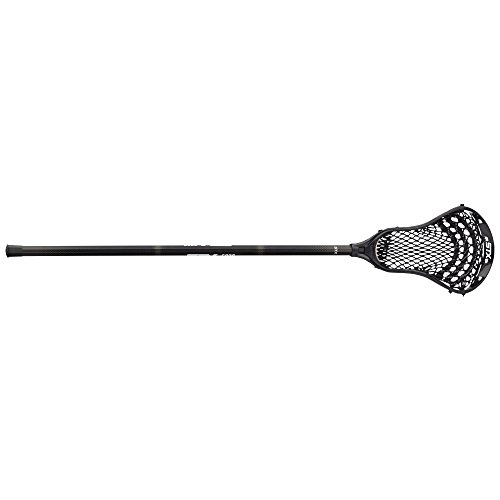 STX Lacrosse Stallion 200 A/M Boys Complete
- The STX Stallion 200 boys complete stick is…
- Inspired by the elite STX men’s Stallion U550…
- Complete stick only - includes new STX 6000…
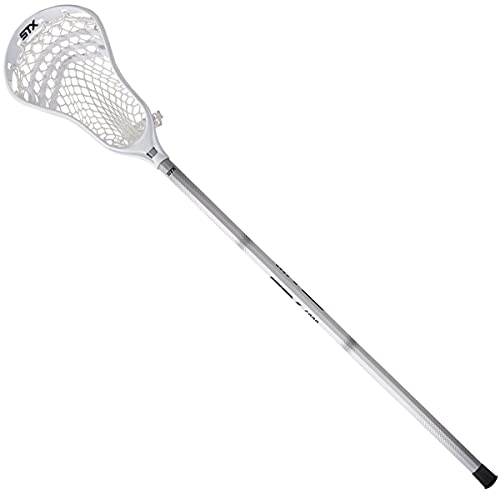 STX Lacrosse Stallion 200 Boys Complete Stick
- The STX Stallion 200 is a top choice…
- Inspired by the elite STX men’s Stallion U550…
- Complete stick only - includes new STX 6000…
 Champro LRX7 Adult Lacrosse Stick
- Beginners stick to help the player develop into…
- Molded nylon head with greater response for catch…
- Soft mesh great for prepping young players for…
| Product | Key specs | |
|---|---|---|
| STX Lacrosse Stallion 200 A/M Boys Complete | The STX Stallion 200 boys complete stick is… Inspired by the elite STX men’s Stallion U550… Complete stick only - includes new STX 6000… | Check price |
| STX Lacrosse Stallion 200 Boys Complete Stick | The STX Stallion 200 is a top choice… Inspired by the elite STX men’s Stallion U550… Complete stick only - includes new STX 6000… | Check price |
| Champro LRX7 Adult Lacrosse Stick | Beginners stick to help the player develop into… Molded nylon head with greater response for catch… Soft mesh great for prepping young players for… | Check price |
 CAKLOR Lacrosse Complete Attack/Midfield Stick with Shaft CAKLOR Lacrosse Complete Attack/Midfield Stick with Shaft | Head is molded with softer material to provide… Professionally strung mesh:The mesh is made from a… Complete stick only - includes new material 6000… | Check price |
As an Amazon Associate we earn from qualifying purchases at no extra cost to you.
Quick picks by player and situation
- New youth player: Choose a youth-sized complete stick with a 37–42-inch overall length, a forgiving head, and a pocket that is not overly deep.
- High-school or adult beginner: A 40–42-inch complete stick with an aluminum alloy shaft is the safest starting point for attack or midfield.
- Attack player: Pick a narrower offensive head with a mid or mid-low pocket for quick releases and accurate shooting.
- Defensive player: Use a stiff, wider defensive head on a 60-inch shaft, unless your league or coach specifies another length.
- Budget-conscious player: Buy a complete stick rather than assembling a head, mesh, and shaft separately. A usable complete stick commonly costs about $50–$130, while premium custom setups can cost roughly $150–$300.
What separates a beginner stick from an advanced setup?
A complete lacrosse stick is made of a head, pocket, and shaft. The head controls ball retention and release direction; the pocket determines how securely the ball sits and how quickly it comes out; the shaft affects weight, stiffness, grip, and durability. For a first stick, compatibility matters more than buying the most expensive component.
Beginner-oriented complete sticks from established manufacturers such as STX, StringKing, Warrior, Maverik, and ECD are usually easier to use because the head and pocket are matched at the factory. Product lines change, so confirm the current model’s league legality and measurements before purchasing.
Head shape: forgiving control versus quick offense
Wide, rounded heads
A wider face shape gives a developing player more room to catch the ball. It is useful for beginners, younger players, and athletes who are still learning to keep the stick positioned correctly. The trade-off is that a very wide head may feel less precise during tight-angle shots and can offer less support for a deep shooting pocket.
Narrow offensive heads
Attack heads generally taper more aggressively toward the throat. This shape helps with ball control, fast passing, and shooting accuracy, but it gives a beginner less margin for error on off-center catches. Look for a head that is narrow enough for control without being so specialized that ground balls become frustrating.
Stiff defensive heads
Defensive heads should resist twisting when making checks, scooping ground balls, or applying pressure to an opponent’s stick. A stiff, moderately wide head is usually more practical than an extremely narrow offensive head. Defense players also need a pocket that releases reliably from a long pole rather than holding the ball too deeply.
Pocket depth and mesh: the feel you will notice immediately
A shallow pocket releases the ball quickly and makes passing mechanics easier to diagnose, but it can cause the ball to fall out during a hard cradle. A medium pocket is the best general-purpose choice for most beginners. A deep pocket improves hold and carrying ability, yet it can make passing inconsistent and may be illegal if the ball sits below the head’s legal sidewall level.
Traditional leather pockets are uncommon for entry-level sticks. Most beginners should choose mesh. Soft mesh is easier to break in and can feel forgiving, while hard mesh holds its shape better in wet conditions and generally requires more break-in. Wax mesh offers additional grip and pocket stability, but it costs more and does not eliminate the need for correct stringing.
For a first stick, ask a coach to check whether the ball releases cleanly with the stick held at normal passing angles. A pocket that is legal when stationary can still feel poor if the channel is uneven or the shooting strings are too tight.
Shaft material: aluminum, composite, or titanium-style alloy
| Material/type | Typical weight range for a field shaft | Strength and feel | Best fit |
|---|---|---|---|
| Entry-level aluminum alloy | About 5.5–7.5 oz | Affordable, predictable, and easy to replace; can bend under hard impacts | Beginners, youth players, and occasional use |
| Higher-grade aluminum alloy | About 5–7 oz | Lighter and stiffer than basic aluminum, with good value | Frequent school or club players |
| Composite | About 5–6.5 oz | Comfortable feel and vibration reduction; may crack rather than slowly bend | Players prioritizing feel and lower hand vibration |
| Premium titanium-style alloy | About 5–6.5 oz | High stiffness and impact resistance, usually at a higher price | Competitive players who use the same shaft heavily |
These are broad market ranges, not guarantees for every model. Shaft shape also matters. A traditional round shaft is simple and inexpensive; octagonal or lightly textured shafts can provide more consistent hand placement. A beginner should prioritize a comfortable grip and a shaft that does not feel excessively top-heavy.
Complete-stick sizing by position
| Player or position | Common overall stick length | Practical recommendation |
|---|---|---|
| Youth beginner | About 37–42 inches | Use the size permitted by the player’s age division and coach |
| Field attack | 40–42 inches | Short stick for close control, dodging, and quick passing |
| Field midfield | 40–42 inches | Short stick offers the most versatile transition setup |
| Field defense | 52–72 inches | A 60-inch pole is the common starting point for many field defenders |
| Goalie | 40–72 inches | Choose a goalie head and shaft combination, not a field-player stick |
Length rules vary by governing body, age group, and competition. NCAA, NFHS, USA Lacrosse, and local youth leagues may differ in permitted dimensions and pocket requirements. Check the current rulebook for the league in which the player will compete. Do not cut a shaft until the player and coach have confirmed the required finished length.
Decision matrix: which setup makes sense?
| Your situation | Head | Shaft | |
|---|---|---|---|
| First-ever stick, limited budget | Forgiving, moderately wide head | Medium-depth soft or standard mesh | Basic aluminum, 40–42 inches |
| Beginner who catches well but loses the ball while running | Moderately narrow head with a defined channel | Medium-deep, legal pocket | Aluminum or composite short shaft |
| Attack player who shoots frequently | Narrower offensive head | Mid or mid-low pocket with clean release | Light composite or quality alloy, 40–42 inches |
| New defender moving to a long pole | Stiff, moderately wide defensive head | Medium pocket with dependable outlet release | 60-inch alloy pole before considering a lighter premium shaft |
| Player practicing several times per week | Position-specific head with reinforced sidewalls | Mesh that holds shape in the player’s weather conditions | Higher-grade alloy or composite |
How to check fit before buying
- Confirm the position and league. A legal short stick is not a substitute for a required long pole, and a youth league may limit lengths differently from high school or adult competition.
- Hold the complete stick in a normal stance. The player should be able to cradle without gripping tightly or reaching awkwardly. Excessive top weight is a warning sign.
- Test the pocket with a ball. The ball should stay secure during a controlled cradle but leave the pocket smoothly on a normal pass.
- Inspect the head for twist. Gently apply opposing pressure to the sidewalls. A little flex is normal; excessive movement can reduce consistency and durability.
- Check the butt end and screw. The shaft should have a secure end cap and a properly seated head screw. Loose hardware can cause rattling or sudden separation.
Ownership realities: what wears out first?
Mesh and shooting strings usually need attention before the head or shaft. Rain, mud, and repeated ground-ball work can stretch mesh and loosen knots. Let the stick dry at room temperature after wet practices; do not leave it in a sealed sports bag or place it against a heater. Remove dirt with a soft brush and a small amount of water, then dry it completely.
Aluminum shafts may develop dents or bends, especially near the lower hand and the area where checks land. Composite shafts can remain straight but may show cracks after severe impacts. Stop using any shaft with a sharp split, structural crack, or loose head connection. Replacement mesh and restringing commonly cost about $20–$60, while a replacement shaft can range from roughly $30 to more than $150.
A simple value calculation helps explain why a durable mid-range stick can be sensible. If a $90 complete stick lasts two seasons with 50 practices or games per season, its equipment cost is about $0.90 per use before replacement stringing. A $55 stick that needs replacement after one season may cost about $1.10 per use. Durability, not just purchase price, affects value.
Bottom line
Choose a legal 40–42-inch complete stick with a forgiving head, medium pocket, and aluminum shaft if you are new to field lacrosse. Attackers should gradually move toward a narrower head and quicker mid or mid-low pocket, while defenders benefit from a stiff defensive head and a properly sized long pole. The best lacrosse sticks are not necessarily the lightest or most expensive; they are the ones whose head shape, pocket behavior, shaft length, and durability match the player’s position, league, and current skill level.







